THE ADVENTURE COLLECTIVE® · Independent discovery and booking for outdoor travel

A full-day loop from Salta through the Quebrada de Humahuaca visiting Purmamarca’s 7 Colors Hill, Tilcara’s Pucará ruins and the town of Humahuaca. Expect dramatic geology, indigenous markets and a long but accessible day of cultural stops.
A full-day loop from Salta through the Quebrada de Humahuaca visiting Purmamarca’s 7 Colors Hill, Tilcara’s Pucará ruins and the town of Humahuaca. Expect dramatic geology, indigenous markets and a long but accessible day of cultural stops.
You leave Salta before dawn and the road climbs, pulling you through scrub and wind-creased valleys until the mountains begin to show their painted faces. By mid-morning Purmamarca’s Cerro de los Siete Colores rises like a gallery of layered rock, each band a chapter of ancient seas and seismic uplift daring you to read it. The wind pushes on; market stalls in the village send up the smell of toasted corn and llama fiber, while church bells in Uquía mark a slower rhythm.
Verified experiences and guided adventures in the surrounding area.
Operated by NORDIC TRAVEL EVT · Purmamarca, Jujuy
You leave Salta before dawn and the road climbs, pulling you through scrub and wind-creased valleys until the mountains begin to show their painted faces. By mid-morning Purmamarca’s Cerro de los Siete Colores rises like a gallery of layered rock, each band a chapter of ancient seas and seismic uplift daring you to read it. The wind pushes on; market stalls in the village send up the smell of toasted corn and llama fiber, while church bells in Uquía mark a slower rhythm.
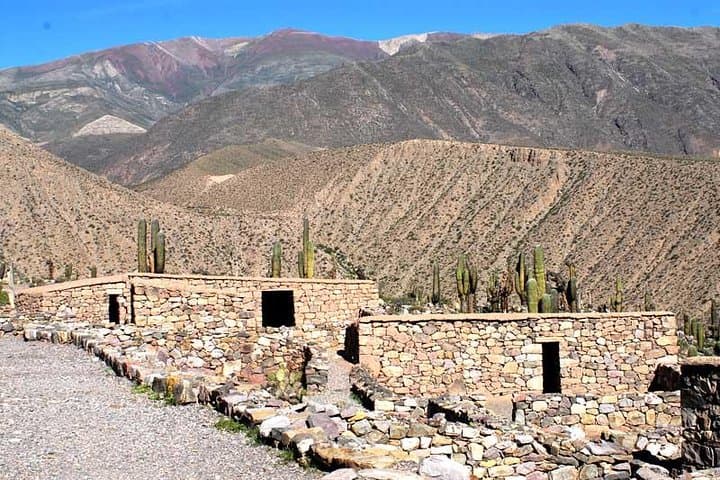
This circuit threads through the Quebrada de Humahuaca, a UNESCO World Heritage gorge shaped over millions of years by river erosion and Andean uplift. Tilcara preserves pre-Columbian life at the Pucará ruins—stone enclosures, terraced fields and lookout points that testify to regional resilience and trade routes between the highlands and valleys.
Expect adobe villages, salt-scrub slopes and viewpoints that frame jagged ridgelines and plateaus. Local culture is visible in humble markets, colonial churches and small museums that explain indigenous traditions and Spanish-era missions.
Practical side: it’s a long day — tours are about 12 hours with multiple stops and short walks rather than serious hikes. Altitude ranges roughly 2,000–3,000 m; plan for strong sun, dry air and variable midday winds. Bring water, sun protection and layers for chillier mornings and evenings. Photography windows are best early and late; mid-day light flattens colors. Guides handle logistics and many stops include brief interpretive visits, so you’ll move frequently rather than linger—perfect for travelers who want a compact introduction to Jujuy’s landscapes and history.
easy.
12 hours.
Suitable for travelers in average fitness; the tour features short walks and standing at viewpoints rather than sustained hiking
The tour runs about 12 hours with multiple stops—expect early pickup from Salta, short guided visits at Purmamarca, Tilcara and Humahuaca, and return in the evening.
The tour is rated easy with short walks; however, some viewpoints and ruins have uneven ground—check accessibility options and notify the operator about mobility needs.
Bring some Argentine pesos for small museum fees, market purchases and snacks; many vendors accept cash only.
Altitude can cause mild symptoms—stay hydrated, avoid heavy meals before activity, move at a steady pace and rest if you feel lightheaded; consult your doctor if you have heart or respiratory conditions.
The Quebrada de Humahuaca has been a trade corridor for at least 10,000 years; its towns blend pre-Columbian ruins with Spanish-colonial churches that reflect layered cultural exchanges.
Tourism concentrates foot traffic at fragile viewpoints and archaeological sites—stay on marked paths, avoid collecting artifacts and support local crafts to benefit community stewardship.
NORDIC TRAVEL EVT operates guided outdoor trips and adventures with an emphasis on safety, stewardship, and memorable experiences.
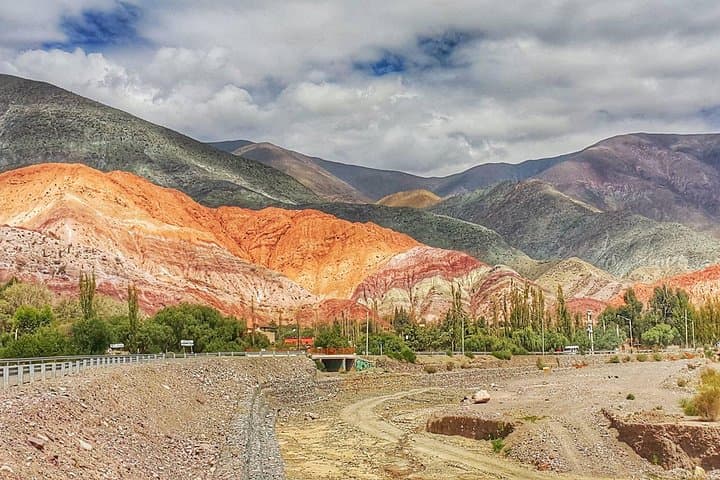

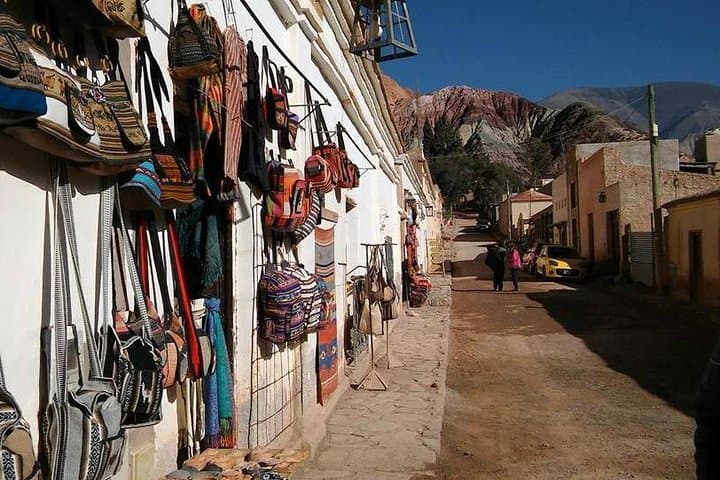
You leave Salta before dawn and the road climbs, pulling you through scrub and wind-creased valleys until the mountains begin to show their painted faces. By mid-morning Purmamarca’s Cerro de los Siete Colores rises like a gallery of layered rock, each band a chapter of ancient seas and seismic uplift daring you to read it. The wind pushes on; market stalls in the village send up the smell of toasted corn and llama fiber, while church bells in Uquía mark a slower rhythm.
You leave Salta before dawn and the road climbs, pulling you through scrub and wind-creased valleys until the mountains begin to show their painted faces. By mid-morning Purmamarca’s Cerro de los Siete Colores rises like a gallery of layered rock, each band a chapter of ancient seas and seismic uplift daring you to read it. The wind pushes on; market stalls in the village send up the smell of toasted corn and llama fiber, while church bells in Uquía mark a slower rhythm.
This circuit threads through the Quebrada de Humahuaca, a UNESCO World Heritage gorge shaped over millions of years by river erosion and Andean uplift. Tilcara preserves pre-Columbian life at the Pucará ruins—stone enclosures, terraced fields and lookout points that testify to regional resilience and trade routes between the highlands and valleys.
Expect adobe villages, salt-scrub slopes and viewpoints that frame jagged ridgelines and plateaus. Local culture is visible in humble markets, colonial churches and small museums that explain indigenous traditions and Spanish-era missions.
Practical side: it’s a long day — tours are about 12 hours with multiple stops and short walks rather than serious hikes. Altitude ranges roughly 2,000–3,000 m; plan for strong sun, dry air and variable midday winds. Bring water, sun protection and layers for chillier mornings and evenings. Photography windows are best early and late; mid-day light flattens colors. Guides handle logistics and many stops include brief interpretive visits, so you’ll move frequently rather than linger—perfect for travelers who want a compact introduction to Jujuy’s landscapes and history.