THE ADVENTURE COLLECTIVE® · Independent discovery and booking for outdoor travel

Spend a full day tracing Egypt’s Old Kingdom: the Giza pyramids and Sphinx, Sakkara’s Step Pyramid, the ruins of Memphis and Dahshur’s Bent Pyramid. This practical guide helps you prepare for a long, sunlit day among the stones.
Spend a full day tracing Egypt’s Old Kingdom: the Giza pyramids and Sphinx, Sakkara’s Step Pyramid, the ruins of Memphis and Dahshur’s Bent Pyramid. This practical guide helps you prepare for a long, sunlit day among the stones.
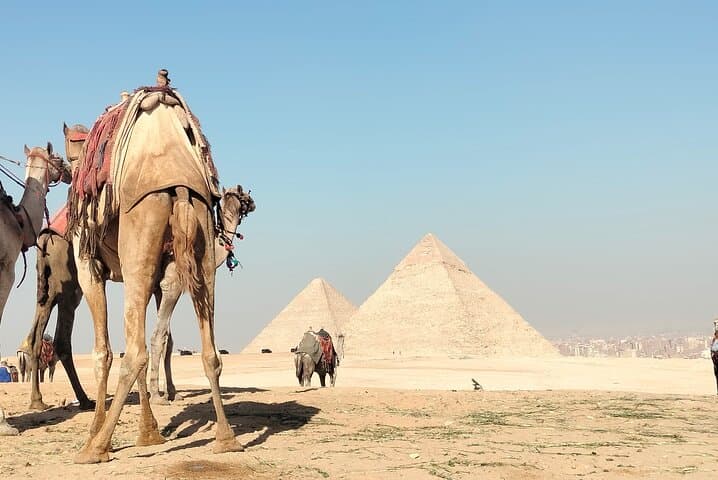
The morning air over the Giza Plateau is dry and bright, sand and stone warming under a clear sky as three monumental silhouettes watch the city wake below.
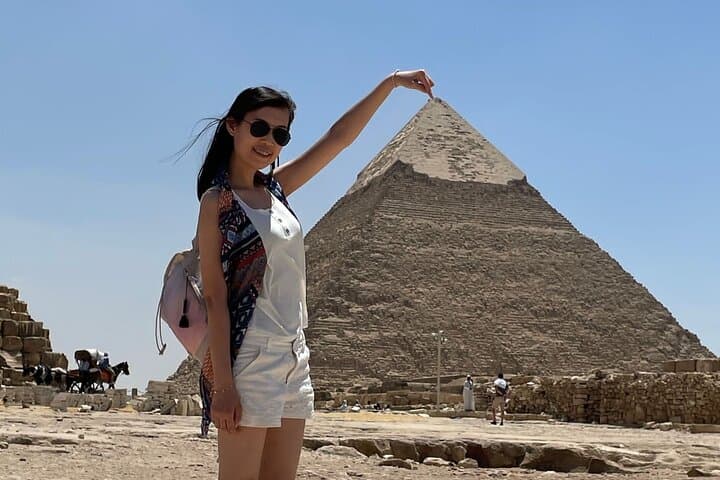
You meet your guide in Tahrir Square, step into an air‑conditioned vehicle and drive toward the ancient skyline—Khufu, Khafre and Menkaure rising like deliberate questions about time and labor.
Verified experiences and guided adventures in the surrounding area.
Operated by Egyptravel Tours · Giza, Cairo Governorate
The morning air over the Giza Plateau is dry and bright, sand and stone warming under a clear sky as three monumental silhouettes watch the city wake below.
You meet your guide in Tahrir Square, step into an air‑conditioned vehicle and drive toward the ancient skyline—Khufu, Khafre and Menkaure rising like deliberate questions about time and labor.
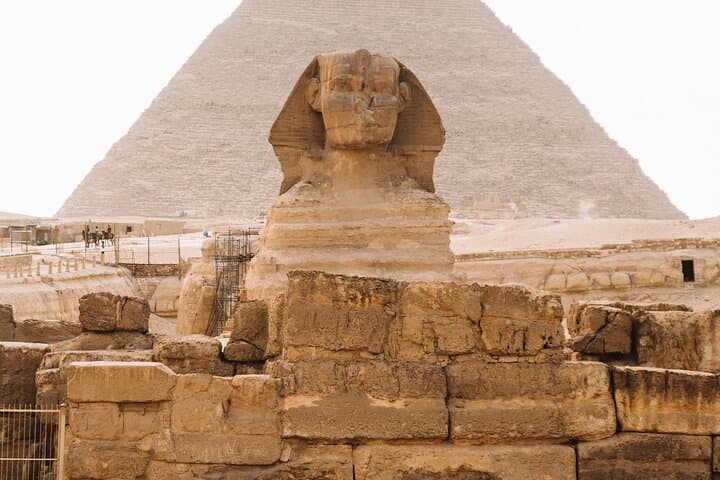
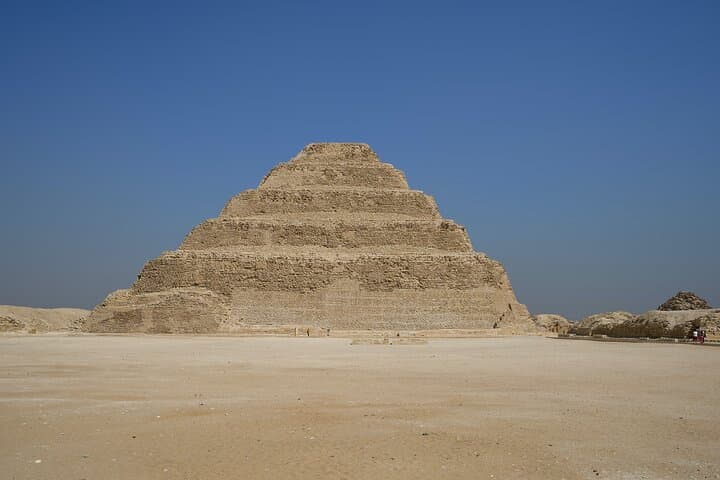
This route strings together pivotal sites of Egypt’s Old Kingdom and beyond: Giza’s triangular kings, the carved body of the Sphinx, Sakkara’s Step Pyramid by Imhotep—arguably the first major stone structure in human history—then on to Memphis, the first dynastic capital with its ram‑headed statuary, and Dahshur where the Bent Pyramid shows experimentation in form and engineering.
Geology here is simple and stark: limestone bedrock and windblown sand, quarried and stacked into precise courses that have survived millennia. Culture and craft are visible in stonework, hieroglyphs and museum fragments; your Egyptologist guide will stitch inscriptions to rulers, building phases and funerary practice.
Practical: plan for a 6–8 hour outing with flat walking between sites, short uphill approaches to viewing areas, and long sun exposure. Wear sturdy closed shoes, a wide‑brim hat and sunscreen; bring a light layer for early morning or an air‑conditioned break during summer. Carry photocopies of your passport and modest cash for gratuities, quick purchases or optional camel rides.
Respect site rules—no touching in protected areas—and move at a steady pace: the day is about seeing architectural evolution and understanding why these places still define ancient Egypt.
easy.
6–8 hours.
Suitable for travelers who can handle multiple short walks and standing for up to an hour at a time; minimal fitness required.
Entrance fees are included for the listed sites, but interior access to specific pyramids is often not included—confirm with the operator before booking.
The itinerary notes wheelchair accessibility for transportation and many surfaces, but some areas at ancient sites have uneven terrain or steps—check details if you require full accessibility.
Camel rides are optional and typically arranged on site for an additional fee; they are not included in the standard itinerary.
A traditional Egyptian lunch at a local restaurant is included; notify the operator in advance of dietary restrictions so they can accommodate them.
These sites span Egypt’s Old Kingdom to the New Kingdom—Sakkara’s Step Pyramid (3rd Dynasty) marks the shift from mastaba tombs to stepped and then true pyramids; Memphis served as the early political center.
High visitor numbers put pressure on fragile stone and painted surfaces—follow pathways, avoid touching reliefs and support sites by using accredited guides and paying fees that fund preservation.
Egyptravel Tours operates guided outdoor trips and adventures with an emphasis on safety, stewardship, and memorable experiences.
The morning air over the Giza Plateau is dry and bright, sand and stone warming under a clear sky as three monumental silhouettes watch the city wake below.
You meet your guide in Tahrir Square, step into an air‑conditioned vehicle and drive toward the ancient skyline—Khufu, Khafre and Menkaure rising like deliberate questions about time and labor.
The morning air over the Giza Plateau is dry and bright, sand and stone warming under a clear sky as three monumental silhouettes watch the city wake below.
You meet your guide in Tahrir Square, step into an air‑conditioned vehicle and drive toward the ancient skyline—Khufu, Khafre and Menkaure rising like deliberate questions about time and labor.
This route strings together pivotal sites of Egypt’s Old Kingdom and beyond: Giza’s triangular kings, the carved body of the Sphinx, Sakkara’s Step Pyramid by Imhotep—arguably the first major stone structure in human history—then on to Memphis, the first dynastic capital with its ram‑headed statuary, and Dahshur where the Bent Pyramid shows experimentation in form and engineering.
Geology here is simple and stark: limestone bedrock and windblown sand, quarried and stacked into precise courses that have survived millennia. Culture and craft are visible in stonework, hieroglyphs and museum fragments; your Egyptologist guide will stitch inscriptions to rulers, building phases and funerary practice.
Practical: plan for a 6–8 hour outing with flat walking between sites, short uphill approaches to viewing areas, and long sun exposure. Wear sturdy closed shoes, a wide‑brim hat and sunscreen; bring a light layer for early morning or an air‑conditioned break during summer. Carry photocopies of your passport and modest cash for gratuities, quick purchases or optional camel rides.
Respect site rules—no touching in protected areas—and move at a steady pace: the day is about seeing architectural evolution and understanding why these places still define ancient Egypt.