THE ADVENTURE COLLECTIVE® · Independent discovery and booking for outdoor travel

A gentle, seven-hour day trip from Santa Marta, the Full-Day Bahía Concha tour delivers calm Caribbean waters, easy snorkeling and a chance to experience Tayrona’s coastal ecology without long hikes. Perfect for families and first-time visitors seeking beach time and local flavor.
A gentle, seven-hour day trip from Santa Marta, the Full-Day Bahía Concha tour delivers calm Caribbean waters, easy snorkeling and a chance to experience Tayrona’s coastal ecology without long hikes. Perfect for families and first-time visitors seeking beach time and local flavor.
You step off the van onto hot sand and the first thing that hits you is the color: the sea here goes from turquoise to deep Caribbean blue in a few gentle strokes, and the hills behind the shore press green and humid against the sky.
Verified experiences and guided adventures in the surrounding area.
Operated by vuelamax actividades y tours · Santa Marta, Magdalena
You step off the van onto hot sand and the first thing that hits you is the color: the sea here goes from turquoise to deep Caribbean blue in a few gentle strokes, and the hills behind the shore press green and humid against the sky.
Bahía Concha, on the western edge of Tayrona National Natural Park, is a day-trip that trades long jungle treks for a low-effort encounter with coastal life—golden sand, calm swimming coves and a fringe reef that invites snorkeling. The route from Santa Marta slices through coastal road and scattered fishing hamlets; by the time you arrive (roughly a 20–40 minute drive depending on traffic), the salt air has already loosened the city’s bustle from your shoulders.
Tayrona’s geography is a blunt meeting of Sierra Nevada de Santa Marta mountains and the Caribbean Sea. Rocks here are ancient: uplifted coastal terraces and eroded granites create headlands and small bays where pockets of sand collect. The area’s human history runs even deeper—the Tairona people left stone settlements and agricultural terraces in the hinterland, and indigenous communities preserve cultural ties to the land and sea today.
Locally you’ll find a culture built on fishing, small-scale tourism and a cautious respect for the park’s rules. Guides point out medicinal plants, show where sea turtles sometimes nest, and explain gate regulations that protect reefs and wildlife.
Practically speaking the tour is straightforward: expect a 7-hour outing that includes park admission, round-trip ground transport and a guide. Terrain at Bahía Concha is flat—the beach lies at sea level with a short boardwalk and a handful of shaded trees. Swimming is in calm water protected by reef, but currents can change; basic swimming ability is recommended.
For photographers and snorkelers, bring reef-safe sunscreen, a mask/snorkel if you prefer your own gear, and water shoes to move across coral heads. Hydrate: there’s usually a simple lunch included and basic facilities at the beach, but bring water for between stops.
Timing matters: mornings are cooler and water visibility is often best before noon. The site is accessible to families and travelers with limited mobility compared to more remote Tayrona coves, but the park does enforce rules—no single-use plastics and limited visitor capacity in certain sectors.
If you want a quiet corner, walk the far right of the bay toward the rocks; the western headland gives the cleanest viewpoint for sunset. Whether you come to float above a coral patch, listen to waves push and pull at the shore, or sample coastal cuisine under a shady tree, Bahía Concha is a short, forgiving way into Tayrona’s coastal beauty.
easy.
7 hours.
Light activity level; suitable for most travelers able to spend a few hours standing, swimming and walking on sand.
This is a roughly 7-hour tour that usually includes round-trip ground transport from Santa Marta, park admission, a guide and a simple lunch; check your booking for exact inclusions.
Yes—snorkeling here is beginner-friendly in the protected bay, but you should be comfortable in shallow water and follow your guide’s safety briefing.
Basic facilities such as restrooms and shaded eating areas are available, but amenities are limited compared with urban beaches—bring water and small cash for snacks.
Bahía Concha is more accessible than many Tayrona coves and the tour lists wheelchair access, but conditions can vary—confirm details with the operator before booking.
Morning, before winds pick up, typically offers the clearest water and best visibility for marine life.
Most organized tours include park entrance fees; verify with your operator and keep ID handy for park registration.
Tayrona’s coastline marks the ancestral territory of Tairona cultures; archaeological sites and contemporary indigenous communities maintain cultural connections to the land and sea.
Tayrona is a protected park with visitor rules aimed at reducing plastic waste, protecting nesting beaches and preserving reef habitats—practice leave-no-trace and use reef-safe products.
vuelamax actividades y tours operates guided outdoor trips and adventures with an emphasis on safety, stewardship, and memorable experiences.
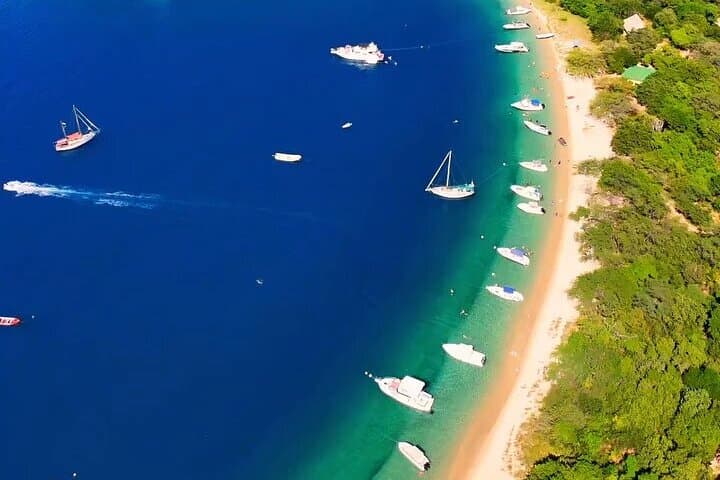
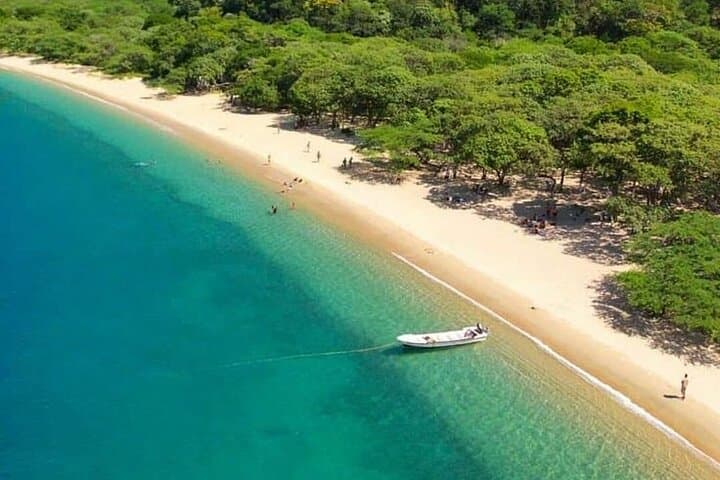
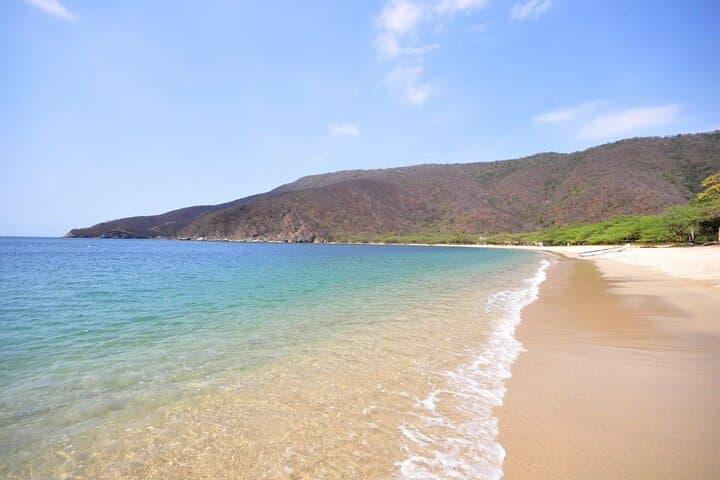
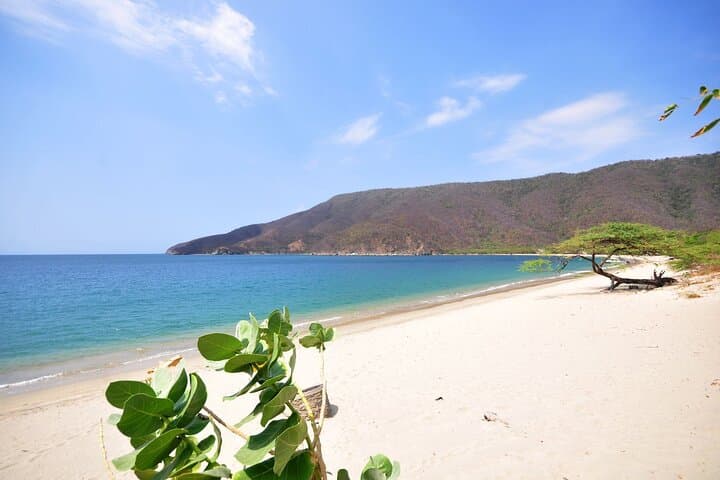
You step off the van onto hot sand and the first thing that hits you is the color: the sea here goes from turquoise to deep Caribbean blue in a few gentle strokes, and the hills behind the shore press green and humid against the sky.
You step off the van onto hot sand and the first thing that hits you is the color: the sea here goes from turquoise to deep Caribbean blue in a few gentle strokes, and the hills behind the shore press green and humid against the sky.
Bahía Concha, on the western edge of Tayrona National Natural Park, is a day-trip that trades long jungle treks for a low-effort encounter with coastal life—golden sand, calm swimming coves and a fringe reef that invites snorkeling. The route from Santa Marta slices through coastal road and scattered fishing hamlets; by the time you arrive (roughly a 20–40 minute drive depending on traffic), the salt air has already loosened the city’s bustle from your shoulders.
Tayrona’s geography is a blunt meeting of Sierra Nevada de Santa Marta mountains and the Caribbean Sea. Rocks here are ancient: uplifted coastal terraces and eroded granites create headlands and small bays where pockets of sand collect. The area’s human history runs even deeper—the Tairona people left stone settlements and agricultural terraces in the hinterland, and indigenous communities preserve cultural ties to the land and sea today.
Locally you’ll find a culture built on fishing, small-scale tourism and a cautious respect for the park’s rules. Guides point out medicinal plants, show where sea turtles sometimes nest, and explain gate regulations that protect reefs and wildlife.
Practically speaking the tour is straightforward: expect a 7-hour outing that includes park admission, round-trip ground transport and a guide. Terrain at Bahía Concha is flat—the beach lies at sea level with a short boardwalk and a handful of shaded trees. Swimming is in calm water protected by reef, but currents can change; basic swimming ability is recommended.
For photographers and snorkelers, bring reef-safe sunscreen, a mask/snorkel if you prefer your own gear, and water shoes to move across coral heads. Hydrate: there’s usually a simple lunch included and basic facilities at the beach, but bring water for between stops.
Timing matters: mornings are cooler and water visibility is often best before noon. The site is accessible to families and travelers with limited mobility compared to more remote Tayrona coves, but the park does enforce rules—no single-use plastics and limited visitor capacity in certain sectors.
If you want a quiet corner, walk the far right of the bay toward the rocks; the western headland gives the cleanest viewpoint for sunset. Whether you come to float above a coral patch, listen to waves push and pull at the shore, or sample coastal cuisine under a shady tree, Bahía Concha is a short, forgiving way into Tayrona’s coastal beauty.