THE ADVENTURE COLLECTIVE® · Independent discovery and booking for outdoor travel

See Torres del Paine’s glaciers, lagoons, and the Milodón Cave in one full day from Puerto Natales. This guided loop delivers iconic viewpoints and short walks to the park’s best panoramas—bring layers and Chilean pesos for park entry.
See Torres del Paine’s glaciers, lagoons, and the Milodón Cave in one full day from Puerto Natales. This guided loop delivers iconic viewpoints and short walks to the park’s best panoramas—bring layers and Chilean pesos for park entry.
A cold wind pushes across the pampas as the van leaves Puerto Natales; mountains appear like a tentative promise on the horizon and the Paine Massif looms larger with every kilometer. By mid-morning travelers are scanning lagoons that shift from pewter to electric blue, and short walks deliver sudden panoramas—granite towers, dark glacial ice, and rivers that seem to cut the sky.
Verified experiences and guided adventures in the surrounding area.
Operated by Tangol · Puerto Natales, Magallanes Region
A cold wind pushes across the pampas as the van leaves Puerto Natales; mountains appear like a tentative promise on the horizon and the Paine Massif looms larger with every kilometer. By mid-morning travelers are scanning lagoons that shift from pewter to electric blue, and short walks deliver sudden panoramas—granite towers, dark glacial ice, and rivers that seem to cut the sky.
Geology here is blunt and recent: the Paine granite and darker volcanic layers were carved by repeated glaciations, producing the vertical faces and cirques that define the park. Human history is compact but resonant—the indigenous Kawésqar and Tehuelche peoples ranged these steppes for millennia, and the Milodón Cave preserves evidence of Ice Age fauna and early human activity.
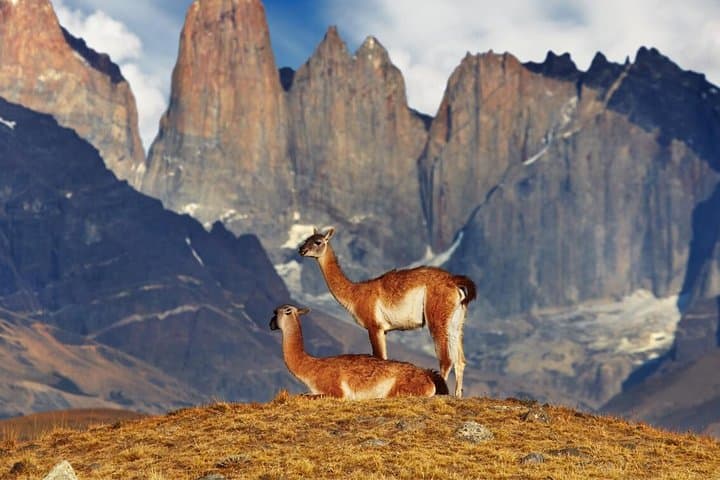
Culturally, the region is still ranching country; guanacos and rheas graze alongside sheep farms, and small towns like Puerto Natales act as the practical gateway to wild places. Conservation is active—the park is a UNESCO-recognized landscape with strict visitor flows to protect fragile vegetation and glacial runoff.
Practical guidance: this full-day loop (about 9 hours) mixes roadside viewpoints and brief walks—expect uneven footing at overlooks and wind that can shift temperatures quickly. Entrance fees to the park are paid in Chilean pesos at designated gates; bring cash. Dress in layers, carry water and sunscreen, and plan to spend much of the day outdoors with limited shelter. With sensible gear and timing, the route delivers a compact, high-impact sample of Torres del Paine’s glaciers, lakes, and iconic towers.
easy.
9 hours.
Suitable for most fitness levels; expect several short, low-to-moderate walks and standing at viewpoints.
No; entrance fees to Torres del Paine are generally paid in Chilean pesos at the park gate—bring cash as card acceptance can be limited.
The tour is approximately 9 hours (start between 7:30–8:00 AM) with return to Puerto Natales around 6:00 PM.
The itinerary includes the Glacier Grey viewpoint and floating icebergs visible from the panorama; walking onto the glacier is not included and requires separate, specialized excursions.
The tour involves getting on/off the vehicle and short walks over uneven ground; it’s rated easy but may be challenging for those with limited mobility—check with the operator about specific accessibility needs.
Milodón Cave contains archaeological and paleontological remains, including evidence of prehistoric megafauna and early human presence in the Última Esperanza region.
Visitor impact is managed through designated viewpoints and trails; stick to marked paths and pack out waste to protect fragile vegetation and glacial-fed waterways.
Tangol operates guided outdoor trips and adventures with an emphasis on safety, stewardship, and memorable experiences.
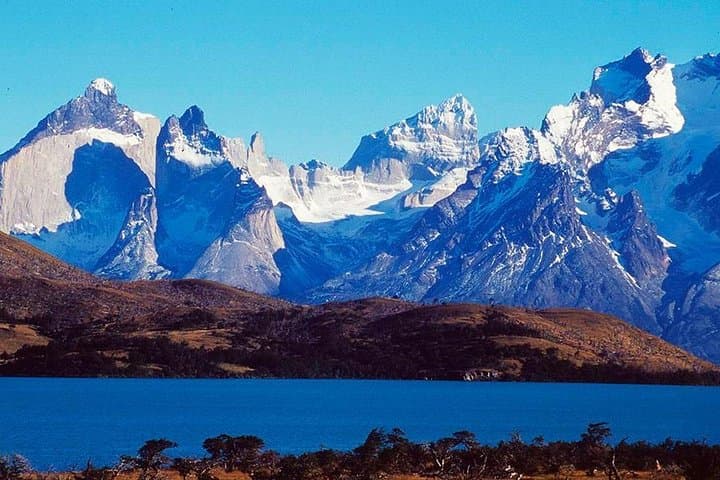
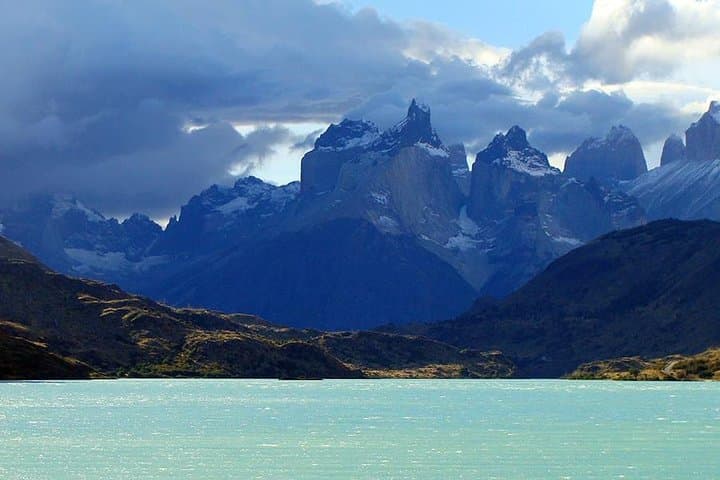
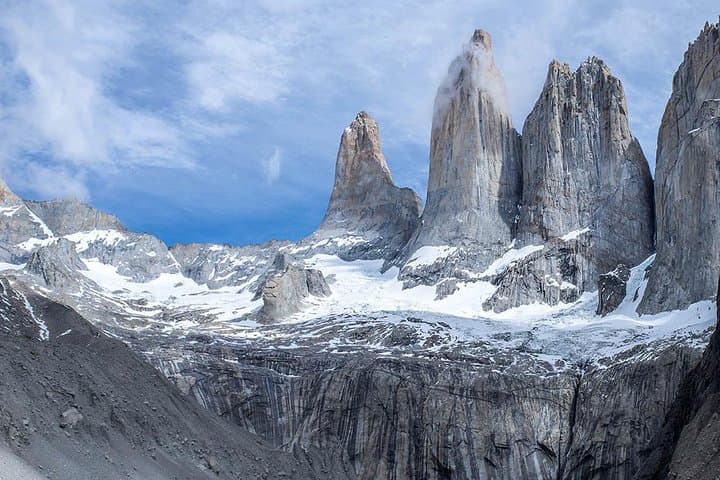
A cold wind pushes across the pampas as the van leaves Puerto Natales; mountains appear like a tentative promise on the horizon and the Paine Massif looms larger with every kilometer. By mid-morning travelers are scanning lagoons that shift from pewter to electric blue, and short walks deliver sudden panoramas—granite towers, dark glacial ice, and rivers that seem to cut the sky.
A cold wind pushes across the pampas as the van leaves Puerto Natales; mountains appear like a tentative promise on the horizon and the Paine Massif looms larger with every kilometer. By mid-morning travelers are scanning lagoons that shift from pewter to electric blue, and short walks deliver sudden panoramas—granite towers, dark glacial ice, and rivers that seem to cut the sky.
Geology here is blunt and recent: the Paine granite and darker volcanic layers were carved by repeated glaciations, producing the vertical faces and cirques that define the park. Human history is compact but resonant—the indigenous Kawésqar and Tehuelche peoples ranged these steppes for millennia, and the Milodón Cave preserves evidence of Ice Age fauna and early human activity.
Culturally, the region is still ranching country; guanacos and rheas graze alongside sheep farms, and small towns like Puerto Natales act as the practical gateway to wild places. Conservation is active—the park is a UNESCO-recognized landscape with strict visitor flows to protect fragile vegetation and glacial runoff.
Practical guidance: this full-day loop (about 9 hours) mixes roadside viewpoints and brief walks—expect uneven footing at overlooks and wind that can shift temperatures quickly. Entrance fees to the park are paid in Chilean pesos at designated gates; bring cash. Dress in layers, carry water and sunscreen, and plan to spend much of the day outdoors with limited shelter. With sensible gear and timing, the route delivers a compact, high-impact sample of Torres del Paine’s glaciers, lakes, and iconic towers.