THE ADVENTURE COLLECTIVE® · Independent discovery and booking for outdoor travel

Escape Marrakech for a day and trace three Atlas valleys—Kik Plateau, Asni and Ourika—visiting Berber villages, a saint's shrine and the seven waterfalls of Setti Fatma. This 7–8 hour excursion pairs scenic photo stops, a local lunch and a short camel ride with easy walking at the cascades.
Escape Marrakech for a day and trace three Atlas valleys—Kik Plateau, Asni and Ourika—visiting Berber villages, a saint's shrine and the seven waterfalls of Setti Fatma. This 7–8 hour excursion pairs scenic photo stops, a local lunch and a short camel ride with easy walking at the cascades.
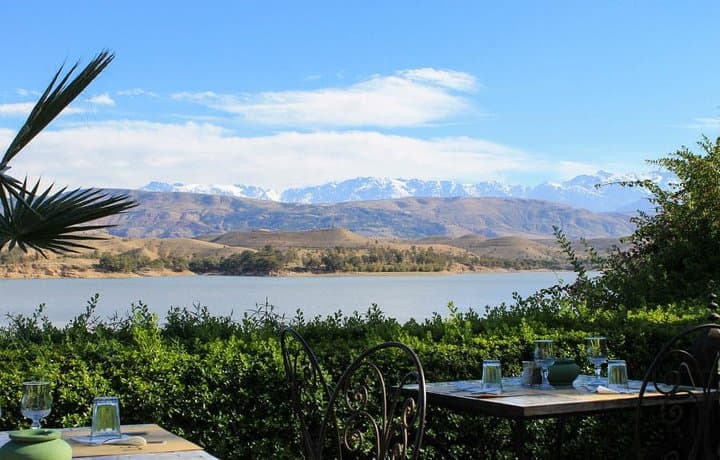
Morning light lifts off Marrakech's ochre walls as a comfortable minivan threads the road toward the High Atlas. By the time you reach the Kik Plateau at 1,350 m, wind pushes across pine plains and the mountains begin to show their layered faces—craggy ridges of volcanic rock punctuated by softer limestone carved by centuries of runoff.
Verified experiences and guided adventures in the surrounding area.
Operated by Come To Morocco · Marrakech, Marrakesh-Safi
Morning light lifts off Marrakech's ochre walls as a comfortable minivan threads the road toward the High Atlas. By the time you reach the Kik Plateau at 1,350 m, wind pushes across pine plains and the mountains begin to show their layered faces—craggy ridges of volcanic rock punctuated by softer limestone carved by centuries of runoff.
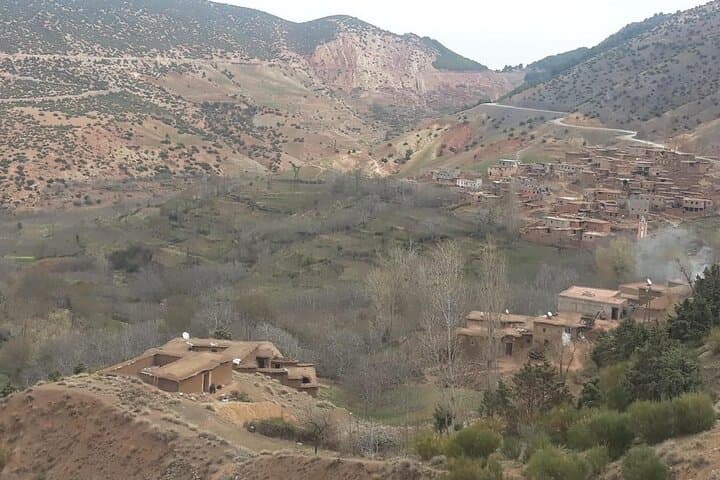
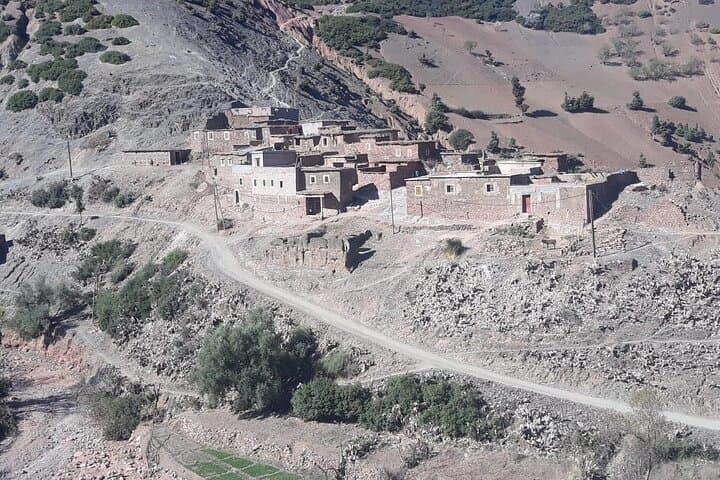
This full-day route threads three distinct valleys: the Asni plain with its market villages, the Moulay Brahim area where the saint's shrine marks local devotion, and the verdant Ourika Valley that channels meltwater down to the seven cascades at Setti Fatma. The villages are predominantly Berber—stone houses, terraced fields, and small markets where almonds, argan oil and hand-stitched textiles anchor daily life.
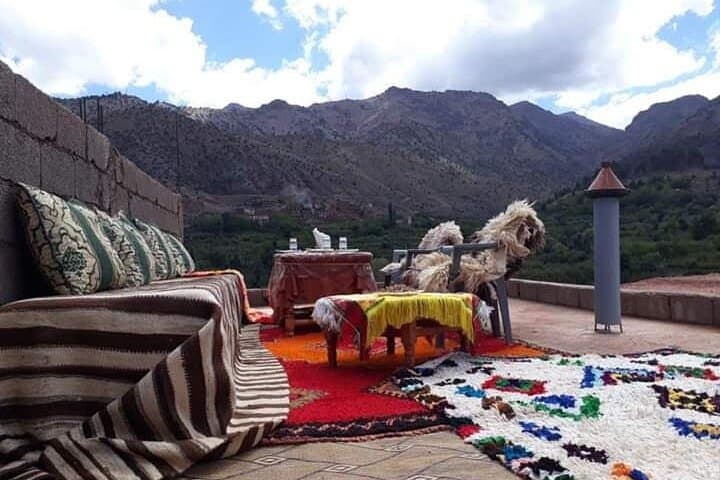
Geology explains the drama: the Atlas uplifted during Cenozoic collisions, then rivers sculpted steep gorges and waterfalls. Culture is close to the surface—expect polite requests for small purchases and meals shared with locals on simple terraces.
Practical notes: tours leave Marrakech around 08:30 and return after 7–8 hours; most driving is on paved roads but mountain lanes can be narrow. Setti Fatma's waterfalls require short, sometimes steep walks on uneven steps. Camel rides (about 20 minutes) are often offered near valley approaches. Bring sun protection, 1–2 liters of water, sturdy shoes and modest clothing for village visits. Photography stops are frequent—watch footing near drop-offs and respect private property. This day trip balances easy logistics with the tactile, layered experience of Atlas life.
easy.
7–8 hours.
Suitable for most fitness levels; involves short uphill/downhill walks and standing at viewpoints.
Tours typically depart Marrakech at 08:30 and run about 7–8 hours, returning in the late afternoon.
Yes—lunch with local people is included, often a communal traditional meal in a village setting.
Access to Setti Fatma's waterfalls involves uneven stone steps and short steep sections; it's an easy to moderate walk for most people.
Yes—this is family-friendly and rated easy, but those with limited mobility should note the steps at the waterfall and some walking around villages.
The valleys are home to long-established Amazigh (Berber) communities; Moulay Brahim is named for a local saint whose tomb has been a pilgrimage site for centuries.
Tourism brings income but also pressure—stick to marked paths, avoid disturbing irrigation terraces, and buy locally made goods to support village economies.
Come To Morocco operates guided outdoor trips and adventures with an emphasis on safety, stewardship, and memorable experiences.
Morning light lifts off Marrakech's ochre walls as a comfortable minivan threads the road toward the High Atlas. By the time you reach the Kik Plateau at 1,350 m, wind pushes across pine plains and the mountains begin to show their layered faces—craggy ridges of volcanic rock punctuated by softer limestone carved by centuries of runoff.
Morning light lifts off Marrakech's ochre walls as a comfortable minivan threads the road toward the High Atlas. By the time you reach the Kik Plateau at 1,350 m, wind pushes across pine plains and the mountains begin to show their layered faces—craggy ridges of volcanic rock punctuated by softer limestone carved by centuries of runoff.
This full-day route threads three distinct valleys: the Asni plain with its market villages, the Moulay Brahim area where the saint's shrine marks local devotion, and the verdant Ourika Valley that channels meltwater down to the seven cascades at Setti Fatma. The villages are predominantly Berber—stone houses, terraced fields, and small markets where almonds, argan oil and hand-stitched textiles anchor daily life.
Geology explains the drama: the Atlas uplifted during Cenozoic collisions, then rivers sculpted steep gorges and waterfalls. Culture is close to the surface—expect polite requests for small purchases and meals shared with locals on simple terraces.
Practical notes: tours leave Marrakech around 08:30 and return after 7–8 hours; most driving is on paved roads but mountain lanes can be narrow. Setti Fatma's waterfalls require short, sometimes steep walks on uneven steps. Camel rides (about 20 minutes) are often offered near valley approaches. Bring sun protection, 1–2 liters of water, sturdy shoes and modest clothing for village visits. Photography stops are frequent—watch footing near drop-offs and respect private property. This day trip balances easy logistics with the tactile, layered experience of Atlas life.