THE ADVENTURE COLLECTIVE® · Independent discovery and booking for outdoor travel

Spend eight hours tracing tequila’s story through Amatitán and Tequila—walking agave fields, touring family distilleries, and sipping cantaritos in clay cups. This private full-day tour blends tasting, history, and local street food with curated access and local insight.
Spend eight hours tracing tequila’s story through Amatitán and Tequila—walking agave fields, touring family distilleries, and sipping cantaritos in clay cups. This private full-day tour blends tasting, history, and local street food with curated access and local insight.
You step out of the van into a sun-warmed field of blue agave—rows of spiky leaves tilt toward the sky like a held breath—and the scent of cooked piñas lingers on the breeze. The guide points toward a low, whitewashed distillery where copper stills glint inside, and the day of tasting, technique, and local flavors begins.
Verified experiences and guided adventures in the surrounding area.
Operated by Opatrip.com Mexico · Tequila, Jalisco
You step out of the van into a sun-warmed field of blue agave—rows of spiky leaves tilt toward the sky like a held breath—and the scent of cooked piñas lingers on the breeze. The guide points toward a low, whitewashed distillery where copper stills glint inside, and the day of tasting, technique, and local flavors begins.
This tour threads together two pillars of Jalisco’s identity: pre-Hispanic agave traditions and colonial-era distillation. Agave has been cultivated in the highlands for centuries; European distillation methods arrived in the 16th century and evolved into today’s tequila industry. The volcanic soils and semi-arid microclimate around Amatitán and Tequila yield the mineral-rich piñas that influence flavor, and small-town distilleries preserve family recipes alongside modern bottling lines.
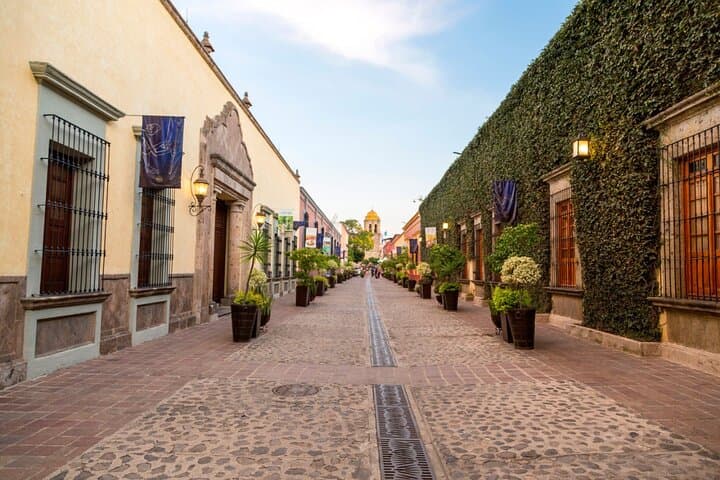
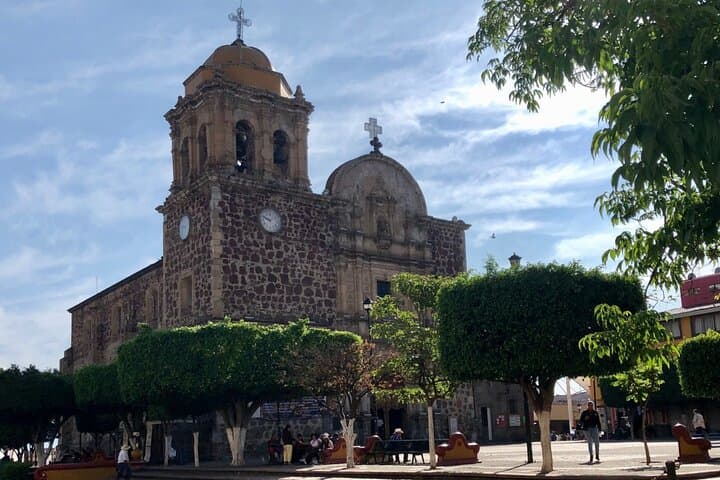
Expect guided tastings at a working distillery, a stop in Amatitán to walk between agave fields, and a lively break at Cantaritos El Güero #1 to try clay-cup cocktails and street-style snacks. Photography is constant—cobblestone streets, colorful facades, and the slow, deliberate work of jimadores harvesting agave.
Practical notes: the day is largely transport-based with light walking on uneven ground and cobbles. Bring sun protection, cash for market stalls and extra tastings, and a reusable water bottle; alcohol tastings are portioned, but plan for an 8-hour outing. Morning light is best for photos and cooler temperatures; rainy season (summer) can bring sudden showers, so pack a light rain layer. With local history, flavor lessons, and hands-on tastings, the tour gives a clear, sensory education in why tequila remains central to Jalisco’s culture.
easy.
8 hours.
Suitable for most fitness levels; mainly seated transport with short walks and standing during tastings.
The private tour runs about 8 hours, including transportation between Guadalajara, Amatitán, and Tequila, plus guided tastings and meal/snack stops.
Yes—round-trip transport and a professional local guide are included in the full-day private booking.
The tour includes a guided tasting at Tequila Tres Mujeres; street food and additional drinks like cantaritos are typically paid on-site, so bring cash.
The tour is rated easy and suitable for most fitness levels, but it involves some short walks on uneven surfaces; contact the operator for specific mobility accommodations.
This valley is considered the birthplace of commercial tequila—indigenous agave use predates Spanish distillation methods introduced in the 16th century, evolving into the region’s distinctive spirit.
Sustainable tequila production is growing; look for distilleries that source mature agave responsibly and implement wastewater and soil-management practices to reduce environmental impact.
Opatrip.com Mexico operates guided outdoor trips and adventures with an emphasis on safety, stewardship, and memorable experiences.
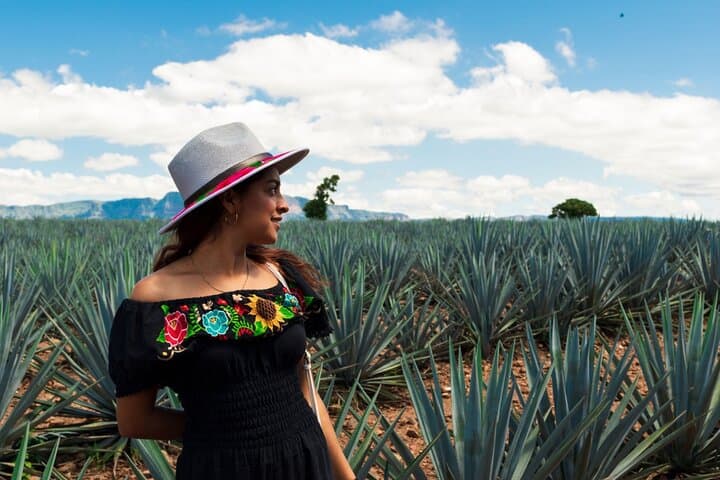

You step out of the van into a sun-warmed field of blue agave—rows of spiky leaves tilt toward the sky like a held breath—and the scent of cooked piñas lingers on the breeze. The guide points toward a low, whitewashed distillery where copper stills glint inside, and the day of tasting, technique, and local flavors begins.
You step out of the van into a sun-warmed field of blue agave—rows of spiky leaves tilt toward the sky like a held breath—and the scent of cooked piñas lingers on the breeze. The guide points toward a low, whitewashed distillery where copper stills glint inside, and the day of tasting, technique, and local flavors begins.
This tour threads together two pillars of Jalisco’s identity: pre-Hispanic agave traditions and colonial-era distillation. Agave has been cultivated in the highlands for centuries; European distillation methods arrived in the 16th century and evolved into today’s tequila industry. The volcanic soils and semi-arid microclimate around Amatitán and Tequila yield the mineral-rich piñas that influence flavor, and small-town distilleries preserve family recipes alongside modern bottling lines.
Expect guided tastings at a working distillery, a stop in Amatitán to walk between agave fields, and a lively break at Cantaritos El Güero #1 to try clay-cup cocktails and street-style snacks. Photography is constant—cobblestone streets, colorful facades, and the slow, deliberate work of jimadores harvesting agave.
Practical notes: the day is largely transport-based with light walking on uneven ground and cobbles. Bring sun protection, cash for market stalls and extra tastings, and a reusable water bottle; alcohol tastings are portioned, but plan for an 8-hour outing. Morning light is best for photos and cooler temperatures; rainy season (summer) can bring sudden showers, so pack a light rain layer. With local history, flavor lessons, and hands-on tastings, the tour gives a clear, sensory education in why tequila remains central to Jalisco’s culture.