THE ADVENTURE COLLECTIVE® · Independent discovery and booking for outdoor travel

A full-day, private loop between Tbilisi and Mtskheta: ancient hilltop monasteries, UNESCO-listed cathedrals, Narikala’s panoramic ruins and the steaming sulphur baths of Abanotubani. Expect moderate walking, historic depth and local wine stops.
A full-day, private loop between Tbilisi and Mtskheta: ancient hilltop monasteries, UNESCO-listed cathedrals, Narikala’s panoramic ruins and the steaming sulphur baths of Abanotubani. Expect moderate walking, historic depth and local wine stops.
Meet your guide near the Big Bicycle Monument as the city wakes: pavement steam from early bakeries, the Mtkvari river cutting a slow groove through Tbilisi, and the roads pointing north toward Mtskheta. The drive climbs to Jvari, a compact stone cross-church that watches the confluence of the Aragvi and Mtkvari rivers — a lookout that makes the river seem to dare you forward.
Verified experiences and guided adventures in the surrounding area.
Operated by Georgian Holidays · Tbilisi, Tbilisi
Meet your guide near the Big Bicycle Monument as the city wakes: pavement steam from early bakeries, the Mtkvari river cutting a slow groove through Tbilisi, and the roads pointing north toward Mtskheta. The drive climbs to Jvari, a compact stone cross-church that watches the confluence of the Aragvi and Mtkvari rivers — a lookout that makes the river seem to dare you forward.
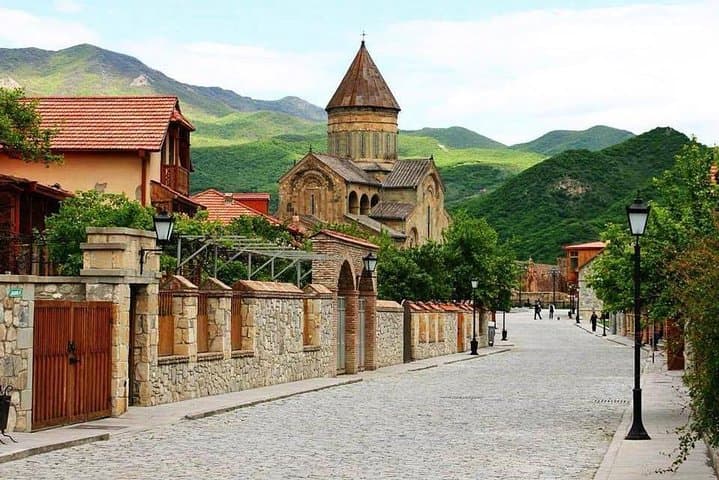
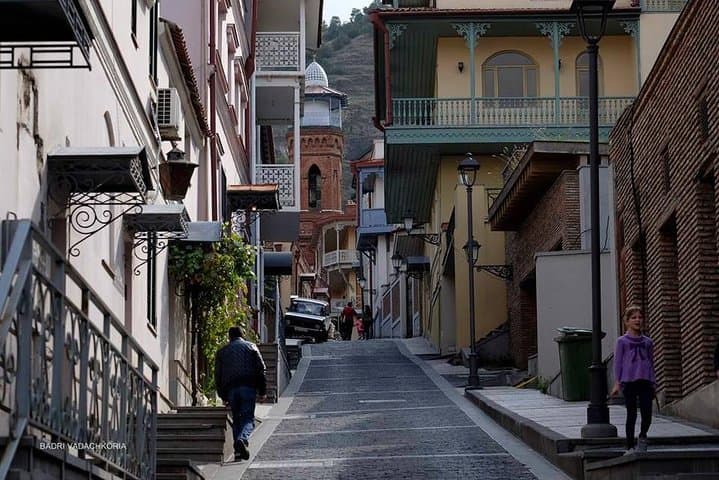
Mtskheta was Georgia’s capital before Tbilisi and its churches are living archives. Jvari dates to the 6th century; Svetitskhoveli Cathedral holds centuries of religious tradition and a legend about Christ’s robe. In Tbilisi, Narikala’s ruined towers (accessible by cable car) reveal layers of Persian, Byzantine and Soviet-era influence while Abanotubani’s sulphur baths point to the city’s geothermal roots. Expect stone streets, Ottoman-era bathhouses and lively wine shops where Georgian qvevri wine continues an unbroken tradition.
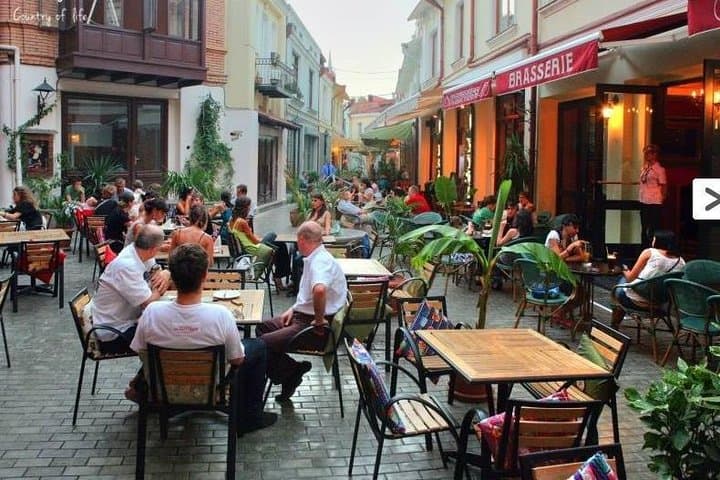
Practical edge: this private tour runs roughly 7–8 hours with multiple short walks on uneven stone and cobbles. Entrance fees and bottled water are included; lunch usually isn’t, so plan for a café stop in Mtskheta or Tbilisi’s Shardeni quarter. Dress respectfully for churches (covered shoulders and knees), bring sturdy walking shoes, a light rain layer and a camera with spare battery. If your visit coincides with services, order may change to respect worship times. The pace is moderate — historic sites, panoramic viewpoints and a compact town walk — ideal for travelers who want cultural depth without rigorous hiking.
easy.
7–8 hours.
Suitable for most fitness levels; requires moderate walking and some short stair sections
Yes — the tour lists all entrance fees as included in the price.
No — bottled water is included, but lunch is not; the itinerary includes stops where you can buy food in Mtskheta or Tbilisi.
Meet the guide near the Big Bicycle Monument at the scheduled time; the operator may offer hotel pickup by request but confirm during booking.
Infants can join but must sit on an adult’s lap; infant seats are available on request and a minimum group size applies to confirm the tour.
Mtskheta was Georgia’s early capital and both Jvari Monastery (6th century) and Svetitskhoveli Cathedral are UNESCO-listed for their architecture and religious significance.
Respect the fragile frescoes and stonework by avoiding flash photography where posted, stick to paths in viewpoints and minimize single-use plastic—local operators emphasize preserving historic sites and riverbanks.
Georgian Holidays operates guided outdoor trips and adventures with an emphasis on safety, stewardship, and memorable experiences.
Meet your guide near the Big Bicycle Monument as the city wakes: pavement steam from early bakeries, the Mtkvari river cutting a slow groove through Tbilisi, and the roads pointing north toward Mtskheta. The drive climbs to Jvari, a compact stone cross-church that watches the confluence of the Aragvi and Mtkvari rivers — a lookout that makes the river seem to dare you forward.
Meet your guide near the Big Bicycle Monument as the city wakes: pavement steam from early bakeries, the Mtkvari river cutting a slow groove through Tbilisi, and the roads pointing north toward Mtskheta. The drive climbs to Jvari, a compact stone cross-church that watches the confluence of the Aragvi and Mtkvari rivers — a lookout that makes the river seem to dare you forward.
Mtskheta was Georgia’s capital before Tbilisi and its churches are living archives. Jvari dates to the 6th century; Svetitskhoveli Cathedral holds centuries of religious tradition and a legend about Christ’s robe. In Tbilisi, Narikala’s ruined towers (accessible by cable car) reveal layers of Persian, Byzantine and Soviet-era influence while Abanotubani’s sulphur baths point to the city’s geothermal roots. Expect stone streets, Ottoman-era bathhouses and lively wine shops where Georgian qvevri wine continues an unbroken tradition.
Practical edge: this private tour runs roughly 7–8 hours with multiple short walks on uneven stone and cobbles. Entrance fees and bottled water are included; lunch usually isn’t, so plan for a café stop in Mtskheta or Tbilisi’s Shardeni quarter. Dress respectfully for churches (covered shoulders and knees), bring sturdy walking shoes, a light rain layer and a camera with spare battery. If your visit coincides with services, order may change to respect worship times. The pace is moderate — historic sites, panoramic viewpoints and a compact town walk — ideal for travelers who want cultural depth without rigorous hiking.