THE ADVENTURE COLLECTIVE® · Independent discovery and booking for outdoor travel

A full-day cultural loop from Mexico City to Cuernavaca’s historic palace and Taxco’s silver-clad alleys. Expect colonial churches, artisan workshops, steep cobbles and a long but rewarding day.
A full-day cultural loop from Mexico City to Cuernavaca’s historic palace and Taxco’s silver-clad alleys. Expect colonial churches, artisan workshops, steep cobbles and a long but rewarding day.
A road-bound morning from Mexico City unfurls under a pale sky as the coach takes the federal highway south—volcanic ridges standing like threshold markers between the capital and two distinct colonial worlds. First stop: Cuernavaca, the “City of Eternal Spring,” where broad boulevards, century-old jacarandas and the stone bulk of the Palace of Cortés introduce a quieter, gardened pace.
Verified experiences and guided adventures in the surrounding area.
Operated by Excellence Mexico Tours · Mexico City, Mexico City
A road-bound morning from Mexico City unfurls under a pale sky as the coach takes the federal highway south—volcanic ridges standing like threshold markers between the capital and two distinct colonial worlds. First stop: Cuernavaca, the “City of Eternal Spring,” where broad boulevards, century-old jacarandas and the stone bulk of the Palace of Cortés introduce a quieter, gardened pace.
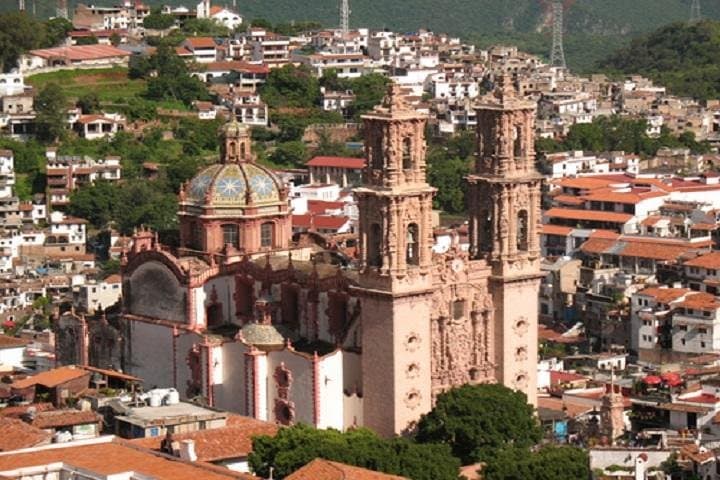
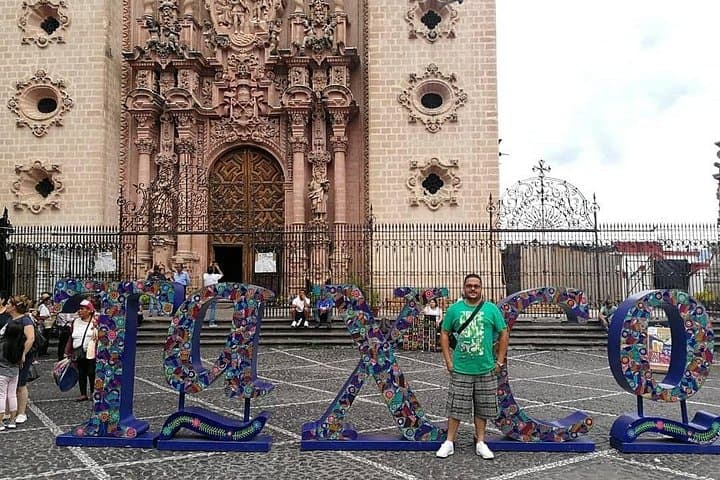
The itinerary threads history and geology: Cortés’ 16th-century palace now houses regional artifacts; Cuernavaca’s cathedral is among Mexico’s earliest Franciscan constructions. The drive continues into Guerrero’s silver hills—Taxco’s steep, cobbled alleys climb the flanks of a once-booming mining district. The pink cantera church of Santa Prisca, commissioned by José de la Borda in the 18th century, showcases Baroque stonework carved from local quarry.
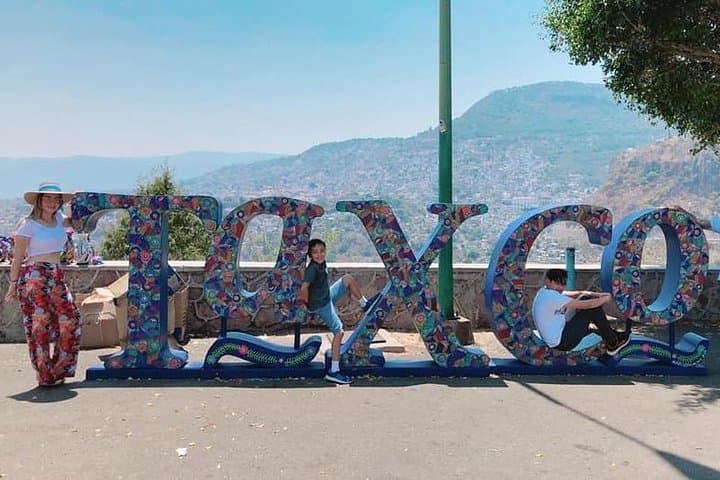
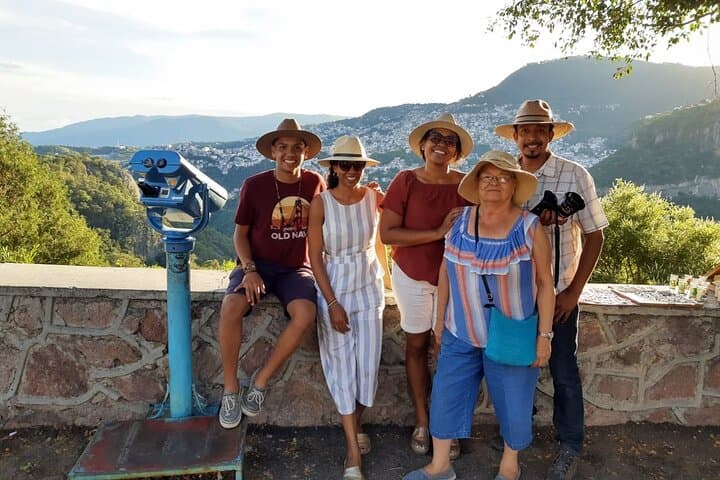
Culture is tactile here: artisans hammer and polish silver in small workshops, open-air markets sell thread-and-shell crafts, and rooftop viewpoints give a compressed panorama of tiled roofs and winding streets. Expect uneven cobbles, narrow stairways and busy market lanes rather than long hikes—this is walking tourism with a steady pace.
Practical guidance: this is a long day—plan for 10–12 hours with early pickup from Mexico City. Wear sturdy, closed shoes for cobbles and steps, carry water and sun protection, and bring small bills for crafts and chapel donations. Modest dress is appropriate for religious sites. The built environment is fragile—stay on paths, avoid climbing on historic masonry, and support certified silversmiths rather than mass-produced trinkets. With a reasonable tolerance for crowds and a readiness for a full day on the road, travelers will leave with strong images of colonial architecture, living craft traditions, and the geology that shaped them.
easy.
10–12 hours.
Minimal cardiovascular fitness required; you should be comfortable walking 1–3 miles over uneven ground and climbing stairs.
The tour runs approximately 10–12 hours; departure is early morning from Mexico City with return in the evening—check your voucher for exact pickup time.
Admissions are generally not included and meals are usually not covered; the trip includes transport and taxes—bring money if you want lunch or entrance to paid sites.
The tour is family-friendly but involves walking on uneven cobbles and stairs—it may be challenging for anyone with mobility limitations; infants must sit on an adult’s lap.
Yes—Taxco is known for its silversmiths; look for hallmarked pieces, ask about materials and shop at established workshops to avoid mass-produced items.
Cuernavaca’s colonial structures date to the early Spanish period; Taxco rose to prominence in the colonial era as a silver-mining center led by figures like José de la Borda.
Support local artisans who use responsible sourcing, avoid plastic waste, and respect historic masonry by not climbing or leaning on fragile structures.
Excellence Mexico Tours operates guided outdoor trips and adventures with an emphasis on safety, stewardship, and memorable experiences.
A road-bound morning from Mexico City unfurls under a pale sky as the coach takes the federal highway south—volcanic ridges standing like threshold markers between the capital and two distinct colonial worlds. First stop: Cuernavaca, the “City of Eternal Spring,” where broad boulevards, century-old jacarandas and the stone bulk of the Palace of Cortés introduce a quieter, gardened pace.
A road-bound morning from Mexico City unfurls under a pale sky as the coach takes the federal highway south—volcanic ridges standing like threshold markers between the capital and two distinct colonial worlds. First stop: Cuernavaca, the “City of Eternal Spring,” where broad boulevards, century-old jacarandas and the stone bulk of the Palace of Cortés introduce a quieter, gardened pace.
The itinerary threads history and geology: Cortés’ 16th-century palace now houses regional artifacts; Cuernavaca’s cathedral is among Mexico’s earliest Franciscan constructions. The drive continues into Guerrero’s silver hills—Taxco’s steep, cobbled alleys climb the flanks of a once-booming mining district. The pink cantera church of Santa Prisca, commissioned by José de la Borda in the 18th century, showcases Baroque stonework carved from local quarry.
Culture is tactile here: artisans hammer and polish silver in small workshops, open-air markets sell thread-and-shell crafts, and rooftop viewpoints give a compressed panorama of tiled roofs and winding streets. Expect uneven cobbles, narrow stairways and busy market lanes rather than long hikes—this is walking tourism with a steady pace.
Practical guidance: this is a long day—plan for 10–12 hours with early pickup from Mexico City. Wear sturdy, closed shoes for cobbles and steps, carry water and sun protection, and bring small bills for crafts and chapel donations. Modest dress is appropriate for religious sites. The built environment is fragile—stay on paths, avoid climbing on historic masonry, and support certified silversmiths rather than mass-produced trinkets. With a reasonable tolerance for crowds and a readiness for a full day on the road, travelers will leave with strong images of colonial architecture, living craft traditions, and the geology that shaped them.