THE ADVENTURE COLLECTIVE® · Independent discovery and booking for outdoor travel

Spend a full day in Tarangire National Park tracking elephants beneath baobabs, enjoying a riverside picnic and visiting a nearby Maasai village for crafts and cultural exchange. This small-group safari from Arusha pairs focused wildlife viewing with hands-on local insight.
Spend a full day in Tarangire National Park tracking elephants beneath baobabs, enjoying a riverside picnic and visiting a nearby Maasai village for crafts and cultural exchange. This small-group safari from Arusha pairs focused wildlife viewing with hands-on local insight.
The morning light in Tarangire cuts across low clouds and dust, turning the trunks of giant baobabs into burnt pillars. Your 4x4 bumps along a sandy track and the park opens: riverine curtains, broad floodplains and groups of elephants moving like watchful families.
Verified experiences and guided adventures in the surrounding area.
Operated by Legacy Destinations & DMC · Arusha, Manyara Region
The morning light in Tarangire cuts across low clouds and dust, turning the trunks of giant baobabs into burnt pillars. Your 4x4 bumps along a sandy track and the park opens: riverine curtains, broad floodplains and groups of elephants moving like watchful families.
Tarangire National Park, created in 1970, protects one of Tanzania’s densest elephant populations and a mosaic of swamps, acacia woodland and riverine forest carved by the Tarangire River. Geologically this is a shallow basin that traps seasonal water, creating a lifeline in the dry months and drawing concentrated wildlife. Cultural threads run close—the Maasai have grazed these plains for generations, and a village visit offers a straightforward exchange: song, craft demonstrations and a look at pastoral life.
Practically, expect a full day (11–13 hours) from Arusha with hotel pickup, long stretches in a pop‑roof 4x4 and a riverside picnic. Wildlife viewing is most active in the dry season when animals cluster near water; binoculars and a camera with a telephoto are useful. Respect distance rules, stay in the vehicle unless guided bush walks are offered, and be prepared for dust, sun and sudden spells of heat. Pack layered clothing, refillable water, and small currency for village purchases or gratuities.
The trip balances cinematic savannah sightings with a concise cultural visit—an efficient, intimate way to see Tarangire’s elephants, birds and baobabs while connecting briefly with local Maasai life.
easy.
11–13 hours.
Suitable for most fitness levels—able to sit for long periods and do short guided walks if offered
Typical transfer time is 2–3 hours each way (about 120–150 km) depending on traffic and park gate procedures.
Yes—tour notes specify infant seats available; however infants and young children should be kept secure and comfortable during long drives.
Yes: entrance fees, applicable taxes and a riverside picnic lunch with bottled water and snacks are included in the tour price.
Optional guided bush walks are sometimes offered—these are short, guided and dependent on park conditions and wildlife activity, so check with your guide.
Tarangire was designated a national park in 1970 to protect seasonal grazing lands and elephant populations; the Maasai people have lived in the broader landscape for centuries.
Seasonal migrations and water access are critical; visitors help by following park rules, supporting community tourism and avoiding off-road driving or feeding wildlife.
Legacy Destinations & DMC operates guided outdoor trips and adventures with an emphasis on safety, stewardship, and memorable experiences.
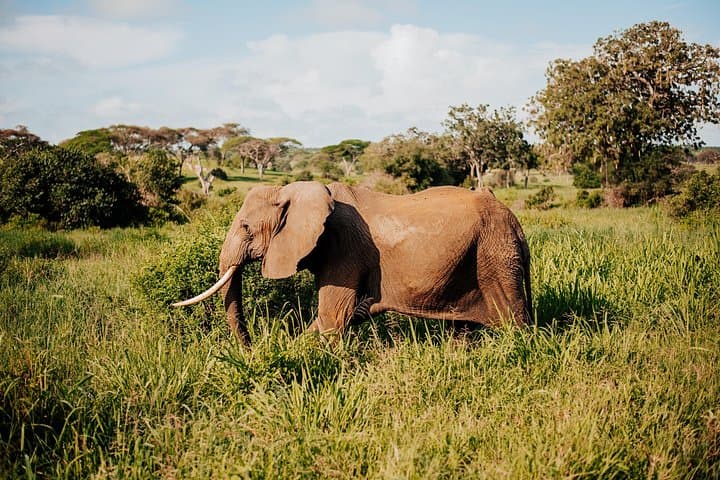
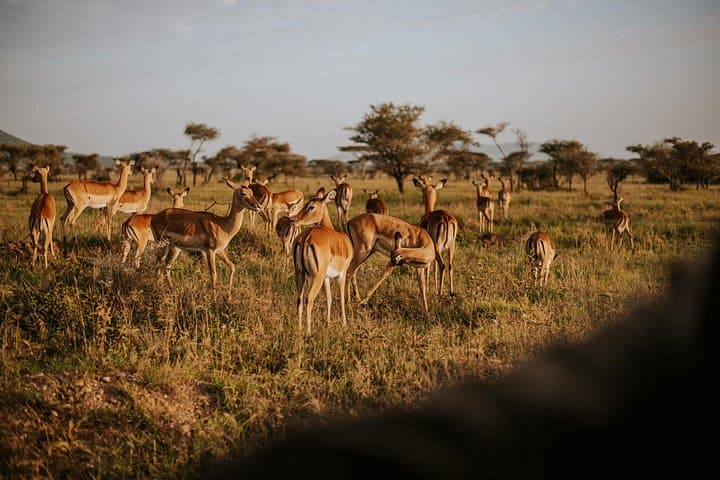
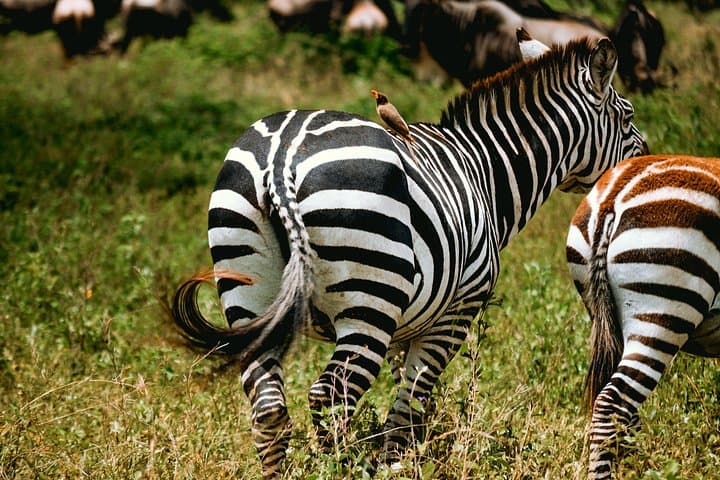
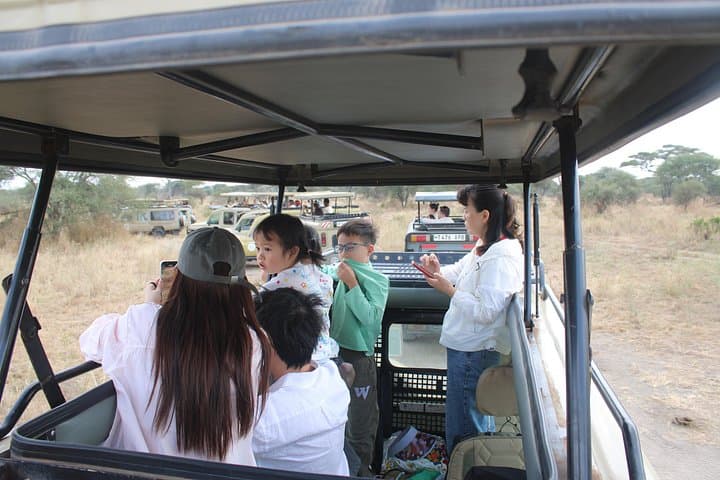
The morning light in Tarangire cuts across low clouds and dust, turning the trunks of giant baobabs into burnt pillars. Your 4x4 bumps along a sandy track and the park opens: riverine curtains, broad floodplains and groups of elephants moving like watchful families.
The morning light in Tarangire cuts across low clouds and dust, turning the trunks of giant baobabs into burnt pillars. Your 4x4 bumps along a sandy track and the park opens: riverine curtains, broad floodplains and groups of elephants moving like watchful families.
Tarangire National Park, created in 1970, protects one of Tanzania’s densest elephant populations and a mosaic of swamps, acacia woodland and riverine forest carved by the Tarangire River. Geologically this is a shallow basin that traps seasonal water, creating a lifeline in the dry months and drawing concentrated wildlife. Cultural threads run close—the Maasai have grazed these plains for generations, and a village visit offers a straightforward exchange: song, craft demonstrations and a look at pastoral life.
Practically, expect a full day (11–13 hours) from Arusha with hotel pickup, long stretches in a pop‑roof 4x4 and a riverside picnic. Wildlife viewing is most active in the dry season when animals cluster near water; binoculars and a camera with a telephoto are useful. Respect distance rules, stay in the vehicle unless guided bush walks are offered, and be prepared for dust, sun and sudden spells of heat. Pack layered clothing, refillable water, and small currency for village purchases or gratuities.
The trip balances cinematic savannah sightings with a concise cultural visit—an efficient, intimate way to see Tarangire’s elephants, birds and baobabs while connecting briefly with local Maasai life.