THE ADVENTURE COLLECTIVE® · Independent discovery and booking for outdoor travel

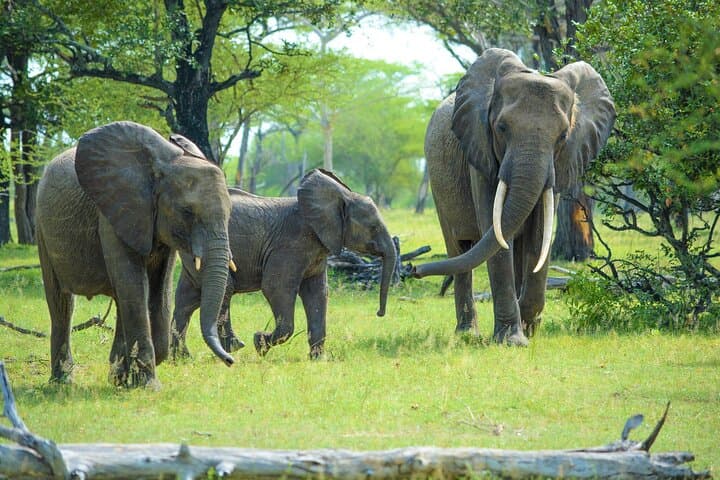
Leave Arusha before dawn for a full-day safari into Tarangire National Park, famous for dense elephant herds and open plains. This private, guided trip includes park fees, rooftop 4x4 viewing, and a packed lunch—ideal for first-time safari-goers seeking big game in accessible terrain.
Leave Arusha before dawn for a full-day safari into Tarangire National Park, famous for dense elephant herds and open plains. This private, guided trip includes park fees, rooftop 4x4 viewing, and a packed lunch—ideal for first-time safari-goers seeking big game in accessible terrain.
A blue African morning opens as your driver eases out of Arusha, headlights cutting through dust while baobabs and acacia watch from the roadside.
Verified experiences and guided adventures in the surrounding area.
Operated by Beach & Safari · Tarangire, Manyara Region
A blue African morning opens as your driver eases out of Arusha, headlights cutting through dust while baobabs and acacia watch from the roadside.
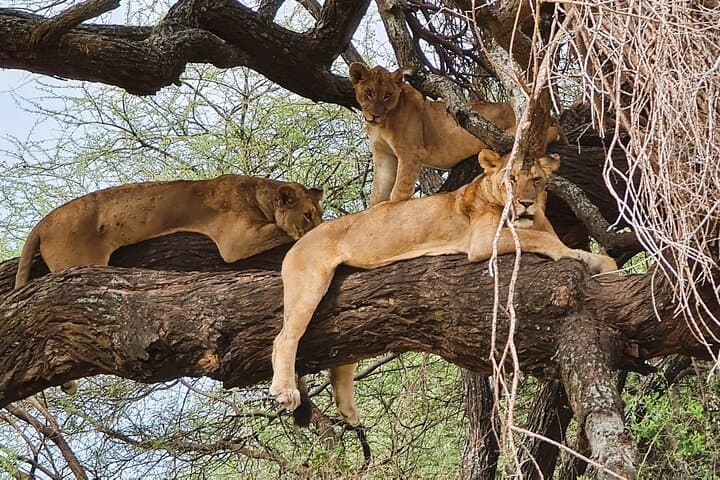
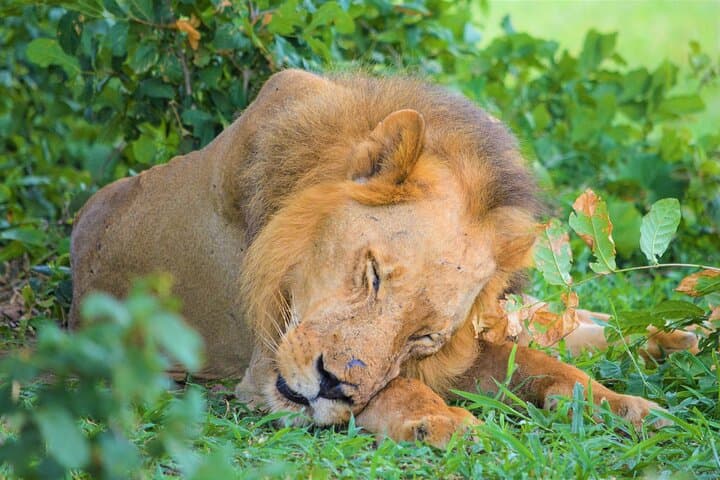
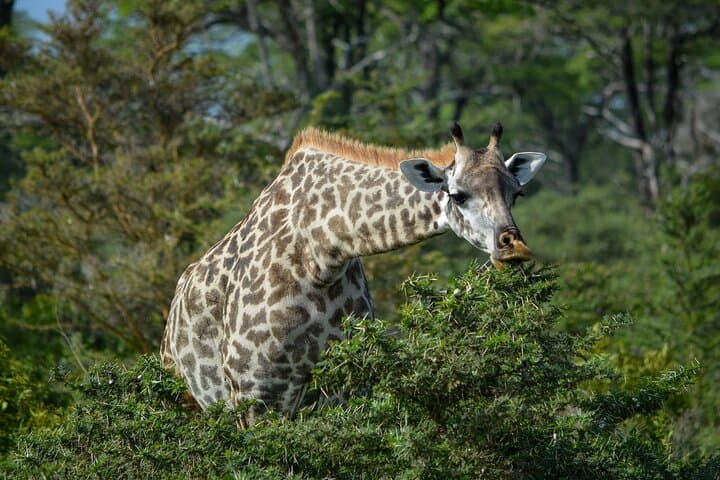
By the time the park gate arrives you can feel Tarangire rearrange the day: the river dares herds to gather, and the plains push wildlife into the open. Vehicles lift their roofs; guides scan the horizon. Within minutes you’re tracking elephants moving like slow geology, and later the scrub and riverine woodlands reveal zebra, wildebeest, buffalo and the occasional big cat hiding in the shade.
Tarangire, designated a national park in 1970, sits on a mosaic of alluvial soils and seasonal swamps—Silale Swamp is a key dry-season magnet for wildlife. The park’s landscape reflects an active ecology where river channels and baobab-studded ridges shape animal movement. Maasai communities beyond the fences maintain a cultural presence, and ancient migration routes still thread the park.
Practical guidance: expect a long day—approximately 11–12 hours including about a three-hour drive each way from Arusha. The tour includes park entry fees, a private 4x4 with rooftop viewing, an experienced guide, bottled water and a packed lunch. For the best sightings come in the dry season (June–October) when animals concentrate near water.
Pack binoculars, sun protection and layered clothing for temperature swings; keep noise low and windows up when predators are nearby. Follow your guide’s instructions, stay inside the vehicle unless told otherwise, and treat the landscape as an active partner—its tides of wildlife will reward patience and respect.
easy.
11–12 hours.
Suitable for most fitness levels; requires ability to sit for long periods and short walks for viewing.
Expect about a three-hour drive each way depending on traffic and road conditions; the tour is a full-day outing of roughly 11–12 hours.
Yes—the tour price includes park entry fees, a packed lunch, bottled water and a private guide in a rooftop 4x4.
Walking is generally restricted; most wildlife viewing is done from the vehicle. Your guide will advise if short, supervised walks are allowed at specific locations.
Dry season (June–October) concentrates elephants and other wildlife near water sources, offering the most reliable viewing opportunities.
Tarangire was declared a national park in 1970 and has long been a critical dry-season refuge thanks to its river and swamp systems.
Conservation focuses on protecting migration corridors and managing human-wildlife interfaces; follow guide rules to reduce disturbance and help preserve habitat.
Beach & Safari operates guided outdoor trips and adventures with an emphasis on safety, stewardship, and memorable experiences.
A blue African morning opens as your driver eases out of Arusha, headlights cutting through dust while baobabs and acacia watch from the roadside.
A blue African morning opens as your driver eases out of Arusha, headlights cutting through dust while baobabs and acacia watch from the roadside.
By the time the park gate arrives you can feel Tarangire rearrange the day: the river dares herds to gather, and the plains push wildlife into the open. Vehicles lift their roofs; guides scan the horizon. Within minutes you’re tracking elephants moving like slow geology, and later the scrub and riverine woodlands reveal zebra, wildebeest, buffalo and the occasional big cat hiding in the shade.
Tarangire, designated a national park in 1970, sits on a mosaic of alluvial soils and seasonal swamps—Silale Swamp is a key dry-season magnet for wildlife. The park’s landscape reflects an active ecology where river channels and baobab-studded ridges shape animal movement. Maasai communities beyond the fences maintain a cultural presence, and ancient migration routes still thread the park.
Practical guidance: expect a long day—approximately 11–12 hours including about a three-hour drive each way from Arusha. The tour includes park entry fees, a private 4x4 with rooftop viewing, an experienced guide, bottled water and a packed lunch. For the best sightings come in the dry season (June–October) when animals concentrate near water.
Pack binoculars, sun protection and layered clothing for temperature swings; keep noise low and windows up when predators are nearby. Follow your guide’s instructions, stay inside the vehicle unless told otherwise, and treat the landscape as an active partner—its tides of wildlife will reward patience and respect.