THE ADVENTURE COLLECTIVE® · Independent discovery and booking for outdoor travel

A full-day safari into Tarangire delivers elephant herds, towering baobabs and year-round waterfowl concentrated along the Tarangire River. This guide covers what to expect, when to go, and how to prepare for a long, wildlife-rich day from Arusha.
A full-day safari into Tarangire delivers elephant herds, towering baobabs and year-round waterfowl concentrated along the Tarangire River. This guide covers what to expect, when to go, and how to prepare for a long, wildlife-rich day from Arusha.
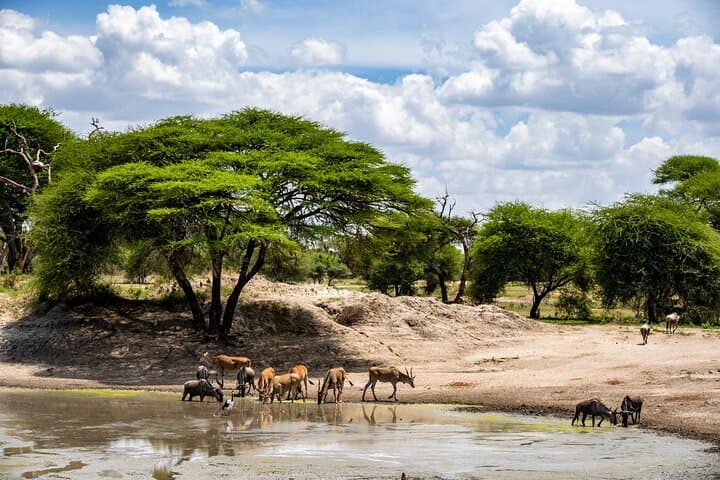
You step from the vehicle into heat that smells of dust and green sap; baobabs lift their thick trunks against a sky that feels wide enough to walk into. The Tarangire River threads the landscape below, a year-round ribbon that draws elephants and buffalo in tight, patient lines while flocks of red-billed hornbills chatter from acacia branches.
Verified experiences and guided adventures in the surrounding area.
Operated by Timon Safaris · Arusha, Manyara Region
You step from the vehicle into heat that smells of dust and green sap; baobabs lift their thick trunks against a sky that feels wide enough to walk into. The Tarangire River threads the landscape below, a year-round ribbon that draws elephants and buffalo in tight, patient lines while flocks of red-billed hornbills chatter from acacia branches.
Tarangire National Park covers roughly 2,850 km² and was designated to protect the seasonal concentrations of wildlife that rely on its permanent water. Geology here is dominated by shallow soils over volcanic bedrock, producing grassland and open woodlands; the park’s iconic baobabs and the Silale Swamps punctuate those plains. Culturally, the surrounding communities are largely Maasai and agriculturalists whose grazing patterns historically intersect with wildlife migrations.
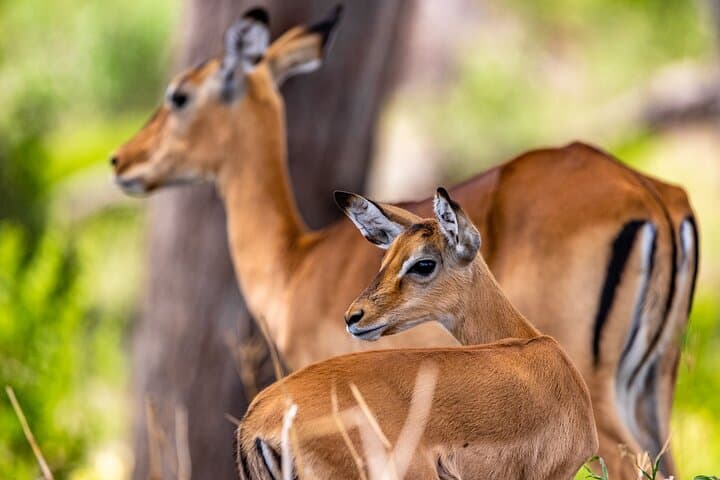
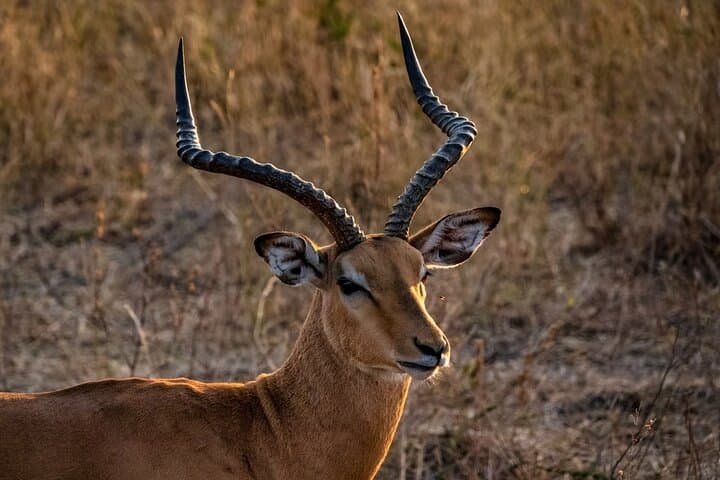
On a full-day safari you’ll ride in a 4x4, tracking herds that thicken in the dry months when the river becomes the area’s pulse. Expect long sightlines, dusty roads, and close encounters with large herds of elephants, buffalo, impala and the occasional python draped in a tree.
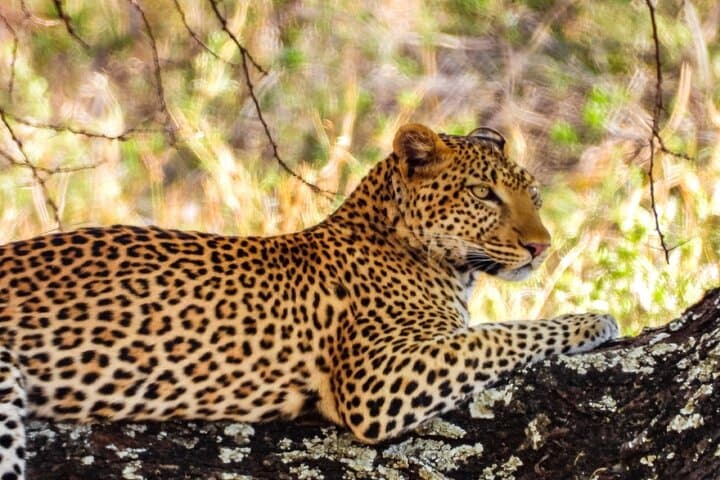
Practical guidance: start early to catch predators before heat slows them, bring sun protection and layers for cooler morning drives, and keep water close—vehicles have supplies but shade is limited. Respect park rules: stay in the vehicle except at designated stops and keep voices low to avoid disturbing wildlife. A full-day tour from Arusha offers reliable game viewing and dramatic baobab landscapes—come prepared, keep your camera ready, and let the river pull the day forward.
easy.
12 hours.
Minimal hiking; suitable for people who can sit in a safari vehicle and maneuver in/out of low steps
The product is listed as a full-day experience—approximately 12 hours including pickup, transfers and game drives.
Tarangire is famous for large elephant herds and sightings are very likely, especially in the dry season when animals concentrate near the river.
Restroom stops are made at park facilities and designated picnic areas during the day; expect basic amenities rather than full-service restrooms.
Yes—this tour is rated physically easy with vehicle-based viewing, but getting on/off the safari vehicle requires basic mobility.
Tarangire was established to protect seasonal wildlife movements; its name comes from the Tarangire River that sustains life through dry months.
Tourism helps fund park management and anti-poaching patrols; visitors should follow vehicle rules and avoid off-road driving to reduce habitat disturbance.
Timon Safaris operates guided outdoor trips and adventures with an emphasis on safety, stewardship, and memorable experiences.
You step from the vehicle into heat that smells of dust and green sap; baobabs lift their thick trunks against a sky that feels wide enough to walk into. The Tarangire River threads the landscape below, a year-round ribbon that draws elephants and buffalo in tight, patient lines while flocks of red-billed hornbills chatter from acacia branches.
You step from the vehicle into heat that smells of dust and green sap; baobabs lift their thick trunks against a sky that feels wide enough to walk into. The Tarangire River threads the landscape below, a year-round ribbon that draws elephants and buffalo in tight, patient lines while flocks of red-billed hornbills chatter from acacia branches.
Tarangire National Park covers roughly 2,850 km² and was designated to protect the seasonal concentrations of wildlife that rely on its permanent water. Geology here is dominated by shallow soils over volcanic bedrock, producing grassland and open woodlands; the park’s iconic baobabs and the Silale Swamps punctuate those plains. Culturally, the surrounding communities are largely Maasai and agriculturalists whose grazing patterns historically intersect with wildlife migrations.
On a full-day safari you’ll ride in a 4x4, tracking herds that thicken in the dry months when the river becomes the area’s pulse. Expect long sightlines, dusty roads, and close encounters with large herds of elephants, buffalo, impala and the occasional python draped in a tree.
Practical guidance: start early to catch predators before heat slows them, bring sun protection and layers for cooler morning drives, and keep water close—vehicles have supplies but shade is limited. Respect park rules: stay in the vehicle except at designated stops and keep voices low to avoid disturbing wildlife. A full-day tour from Arusha offers reliable game viewing and dramatic baobab landscapes—come prepared, keep your camera ready, and let the river pull the day forward.