THE ADVENTURE COLLECTIVE® · Independent discovery and booking for outdoor travel

Spend a full day from Delhi exploring the Taj Mahal, Agra Fort and the Baby Taj with a knowledgeable guide and skip‑the‑line access. This practical day trip combines close‑up architectural study, local culture and a sunset back view across the Yamuna.
Spend a full day from Delhi exploring the Taj Mahal, Agra Fort and the Baby Taj with a knowledgeable guide and skip‑the‑line access. This practical day trip combines close‑up architectural study, local culture and a sunset back view across the Yamuna.
Before sunrise the road to Agra feels like a promise: the Yamuna expressway stretches flat and silent while the car hums toward a marble silhouette that seems to hold back the light itself.
Verified experiences and guided adventures in the surrounding area.
Operated by Padma Holidays · Agra, Uttar Pradesh
Before sunrise the road to Agra feels like a promise: the Yamuna expressway stretches flat and silent while the car hums toward a marble silhouette that seems to hold back the light itself.
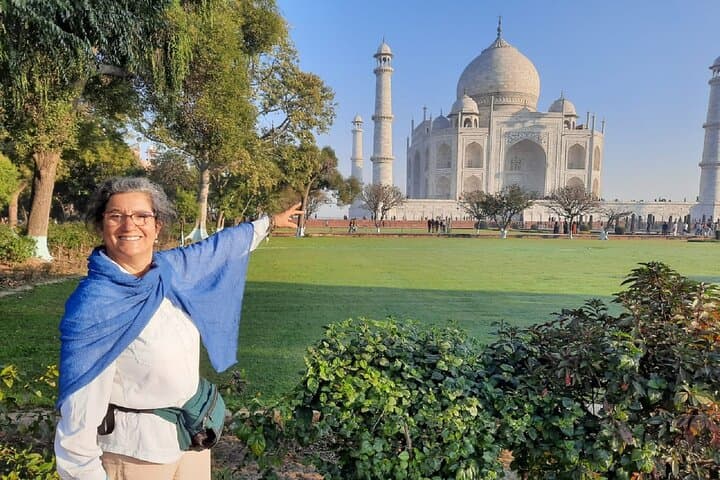
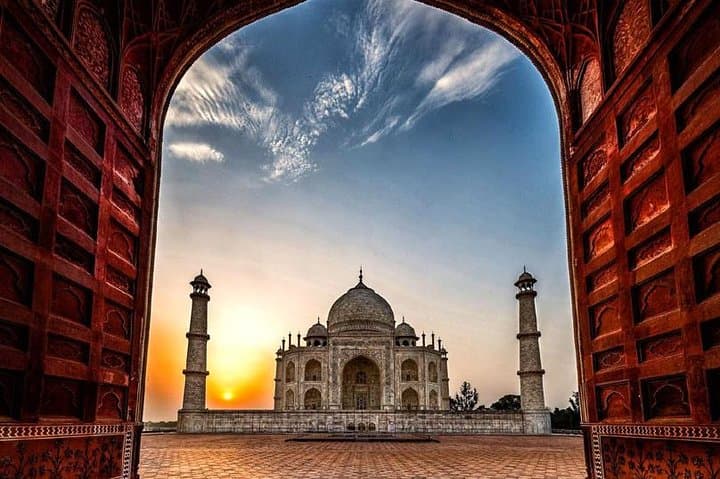
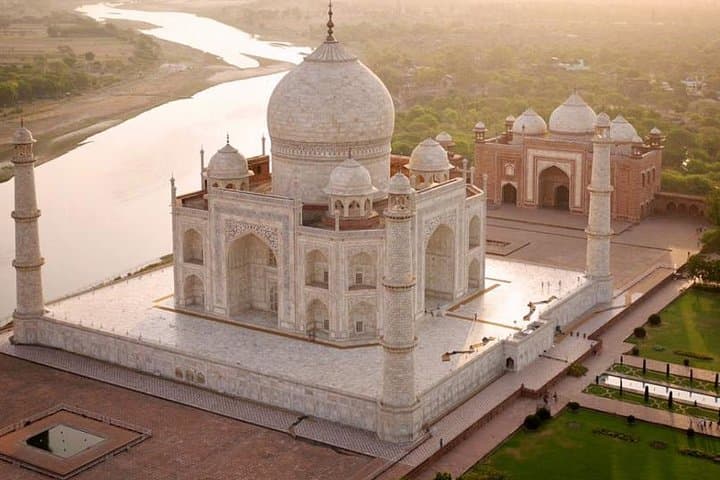
Arriving at the Taj Mahal, the mausoleum sits cool and deliberate as dawn spreads across its domes. The guide will walk you through the white marble inlay, pointing out calligraphy, pietra dura panels and the careful geometry that blends Persian, Islamic and Indian traditions. Nearby, Agra Fort rises in red sandstone—its ramparts once staged imperial court life—while the small, jewel-like Itmad-ud-Daulah (the “Baby Taj”) reveals earlier Mughal experimentation with design and surface inlay.
Geologically the region is a flat alluvial plain; the Taj’s gleaming surface owes its presence to Makrana marble brought from Rajasthan, worked into oils, semi-precious inlay and delicate carvings. Culturally, Agra still hums with craftsmen—stone carvers, inlayers and shopkeepers selling petha and carved reproductions—while the Yamuna’s banks frame sunset reflections most photographers prize.
Practically: this is a full 12‑hour day with roughly three hours each way from Delhi via the expressway. Expect security checks, moderate walking across paved pathways (1–3 km inside complexes) and periods of standing. Bring sun protection and a refillable water bottle, wear comfortable shoes that are easy to remove for mosque and mausoleum entrances, and carry your passport—booking requires passport details and you’ll need ID at checkpoints. The tour’s skip‑the‑line access and local guide compress wait times and add context; plan for morning at the Taj and Agra Fort, lunch, then Itmad‑ud‑Daulah and an optional sunset view from Mehtab Bagh.
easy.
12 hours.
Suitable for most travelers; involves several hours of walking on paved surfaces and standing for tours
The Taj Mahal is closed to visitors on Fridays for prayer; otherwise it opens around sunrise and closes at sunset (timings vary seasonally).
Yes—passport name, number and expiry are required at booking and you must carry valid ID for entry.
Expect about 2–3 hours at the Taj and roughly 1–2 hours at Agra Fort; the full tour runs about 12 hours including travel from Delhi.
Lunch is included only with the all‑inclusive option; other packages provide transport and guide services but may exclude meals.
The Taj Mahal was commissioned by Mughal emperor Shah Jahan in the 1630s as a mausoleum for Mumtaz Mahal; Agra Fort predates and later Mughal additions reflect evolving court architecture.
High foot traffic and air pollution threaten delicate marble—visit mindfully, follow site rules and support local conservation and artisan programs when possible.
Padma Holidays operates guided outdoor trips and adventures with an emphasis on safety, stewardship, and memorable experiences.

Before sunrise the road to Agra feels like a promise: the Yamuna expressway stretches flat and silent while the car hums toward a marble silhouette that seems to hold back the light itself.
Before sunrise the road to Agra feels like a promise: the Yamuna expressway stretches flat and silent while the car hums toward a marble silhouette that seems to hold back the light itself.
Arriving at the Taj Mahal, the mausoleum sits cool and deliberate as dawn spreads across its domes. The guide will walk you through the white marble inlay, pointing out calligraphy, pietra dura panels and the careful geometry that blends Persian, Islamic and Indian traditions. Nearby, Agra Fort rises in red sandstone—its ramparts once staged imperial court life—while the small, jewel-like Itmad-ud-Daulah (the “Baby Taj”) reveals earlier Mughal experimentation with design and surface inlay.
Geologically the region is a flat alluvial plain; the Taj’s gleaming surface owes its presence to Makrana marble brought from Rajasthan, worked into oils, semi-precious inlay and delicate carvings. Culturally, Agra still hums with craftsmen—stone carvers, inlayers and shopkeepers selling petha and carved reproductions—while the Yamuna’s banks frame sunset reflections most photographers prize.
Practically: this is a full 12‑hour day with roughly three hours each way from Delhi via the expressway. Expect security checks, moderate walking across paved pathways (1–3 km inside complexes) and periods of standing. Bring sun protection and a refillable water bottle, wear comfortable shoes that are easy to remove for mosque and mausoleum entrances, and carry your passport—booking requires passport details and you’ll need ID at checkpoints. The tour’s skip‑the‑line access and local guide compress wait times and add context; plan for morning at the Taj and Agra Fort, lunch, then Itmad‑ud‑Daulah and an optional sunset view from Mehtab Bagh.