THE ADVENTURE COLLECTIVE® · Independent discovery and booking for outdoor travel

Spend a full day tracing Mughal Agra from the Taj Mahal’s marble calm to the red sandstone halls of Agra Fort and the living traditions of Kachhpura village. This private day trip mixes iconic monuments with a village heritage walk for a layered cultural experience.
Spend a full day tracing Mughal Agra from the Taj Mahal’s marble calm to the red sandstone halls of Agra Fort and the living traditions of Kachhpura village. This private day trip mixes iconic monuments with a village heritage walk for a layered cultural experience.
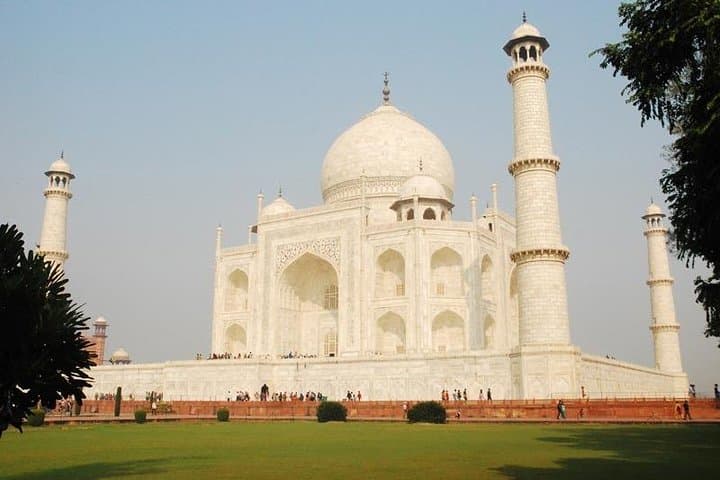
You arrive before the sun climbs fully over the Yamuna, the marble dome of the Taj Mahal catching the first light like a pale promise. The day unfolds as a linear journey through Mughal Agra — the hush at the mausoleum, the broad courtyards of Agra Fort and the quieter alleys of Kachhpura, where villagers offer a slice of living history.
Verified experiences and guided adventures in the surrounding area.
Operated by India Golden Triangle Tour · Agra, Uttar Pradesh
You arrive before the sun climbs fully over the Yamuna, the marble dome of the Taj Mahal catching the first light like a pale promise. The day unfolds as a linear journey through Mughal Agra — the hush at the mausoleum, the broad courtyards of Agra Fort and the quieter alleys of Kachhpura, where villagers offer a slice of living history.
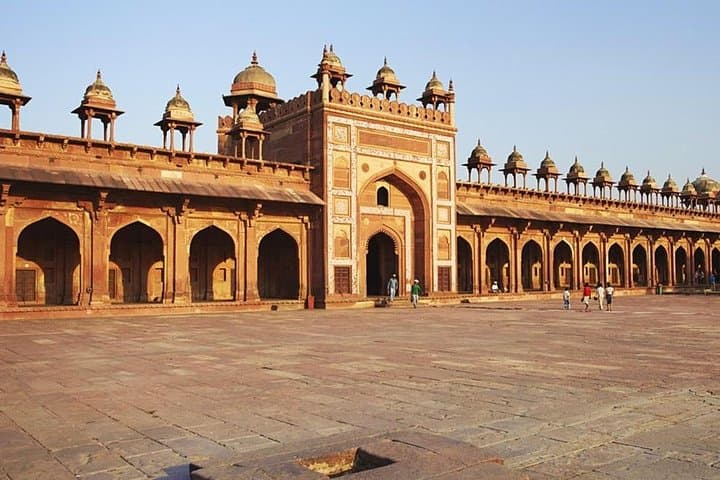
The Taj Mahal was completed in the mid-17th century by Shah Jahan as a mausoleum for Mumtaz Mahal, fashioned from Makrana marble transported across plains shaped by the Yamuna River. Agra Fort predates the Taj and showcases red sandstone architecture adapted over successive emperors; smaller tombs and mosques scattered nearby speak to the layered Mughal urban fabric.
Kachhpura village frames the monuments with everyday life: artisans, street theatre, and women producing handcrafts that echo older decorative traditions. Geologically the region is low-lying alluvial plain; the Taj’s preservation is tied to river health and air quality, issues local guides often explain.
Practical guidance: this is a long, private day trip (roughly 10–12 hours). Start early to avoid heat and crowds, carry water and a sun hat, and plan for security screenings at major sites. Taj Mahal is closed on Fridays; bring cash for small purchases in Kachhpura and wear comfortable walking shoes for mixed pavement and dirt lanes. If you want photographs with softer light, aim for the early morning visit; for village interactions and crafts, the afternoon walk offers more relaxed conversation with local facilitators.
easy.
10–12 hours.
Suitable for most fitness levels but expect a full day on your feet and short walks on uneven village lanes.
The Taj Mahal is closed on Fridays for prayers; plan visits on other days and expect security screenings at the entrance.
By private vehicle on the expressway it's about 3–4 hours each way depending on traffic; this tour is a full-day itinerary.
The tour includes a buffet lunch at a local restaurant in Agra; bring snacks if you have dietary restrictions and communicate them when booking.
Yes—trained local youth facilitate the heritage walk and encourage conversation, craft displays, and short cultural performances.
Agra was an imperial Mughal capital; the Taj Mahal (mid-17th century) and Agra Fort reflect overlapping phases of Mughal architecture and court life.
Conservation efforts focus on air and water quality to protect the Taj’s marble; visitors are encouraged to avoid litter and follow local guidance to reduce site impact.
India Golden Triangle Tour operates guided outdoor trips and adventures with an emphasis on safety, stewardship, and memorable experiences.

You arrive before the sun climbs fully over the Yamuna, the marble dome of the Taj Mahal catching the first light like a pale promise. The day unfolds as a linear journey through Mughal Agra — the hush at the mausoleum, the broad courtyards of Agra Fort and the quieter alleys of Kachhpura, where villagers offer a slice of living history.
You arrive before the sun climbs fully over the Yamuna, the marble dome of the Taj Mahal catching the first light like a pale promise. The day unfolds as a linear journey through Mughal Agra — the hush at the mausoleum, the broad courtyards of Agra Fort and the quieter alleys of Kachhpura, where villagers offer a slice of living history.
The Taj Mahal was completed in the mid-17th century by Shah Jahan as a mausoleum for Mumtaz Mahal, fashioned from Makrana marble transported across plains shaped by the Yamuna River. Agra Fort predates the Taj and showcases red sandstone architecture adapted over successive emperors; smaller tombs and mosques scattered nearby speak to the layered Mughal urban fabric.
Kachhpura village frames the monuments with everyday life: artisans, street theatre, and women producing handcrafts that echo older decorative traditions. Geologically the region is low-lying alluvial plain; the Taj’s preservation is tied to river health and air quality, issues local guides often explain.
Practical guidance: this is a long, private day trip (roughly 10–12 hours). Start early to avoid heat and crowds, carry water and a sun hat, and plan for security screenings at major sites. Taj Mahal is closed on Fridays; bring cash for small purchases in Kachhpura and wear comfortable walking shoes for mixed pavement and dirt lanes. If you want photographs with softer light, aim for the early morning visit; for village interactions and crafts, the afternoon walk offers more relaxed conversation with local facilitators.