THE ADVENTURE COLLECTIVE® · Independent discovery and booking for outdoor travel

Combine the raw lift of Table Mountain’s cable car with a ferry ride to Robben Island for one full day of sweeping views and potent history. This tour pairs summit trails and fynbos with a guided prison visit focused on apartheid and Nelson Mandela.
Combine the raw lift of Table Mountain’s cable car with a ferry ride to Robben Island for one full day of sweeping views and potent history. This tour pairs summit trails and fynbos with a guided prison visit focused on apartheid and Nelson Mandela.
You step off the cable car onto wind-whipped rock and the city unfolds beneath you—harbor cranes, the sweep of False Bay, and the serrated edge of the Twelve Apostles dropping to the sea. The air smells of fynbos and salt; stone hyraxes (dassies) watch you from cracks in the quartzite.
Verified experiences and guided adventures in the surrounding area.
Operated by Cape Promax Travel & Tours · Cape Town, Western Cape
You step off the cable car onto wind-whipped rock and the city unfolds beneath you—harbor cranes, the sweep of False Bay, and the serrated edge of the Twelve Apostles dropping to the sea. The air smells of fynbos and salt; stone hyraxes (dassies) watch you from cracks in the quartzite.
Geology here is blunt and old: Table Mountain’s flat summit is hard, erosion-resistant quartzite, worn level over millions of years and capped with thin soils that support a unique fynbos flora. The day shifts from natural spectacle to human history at the V&A Waterfront, where a short ferry cuts across Table Bay to Robben Island. The island’s stark prison buildings—where Nelson Mandela and other political prisoners were held—offer a plain, guided account of South Africa’s apartheid past that contrasts sharply with the summit’s wild openness.
Expect an 8‑hour rhythm: early cable‑car ascent, short summit walks and viewpoints, transfer to the waterfront, then the ferry crossing and a guided prison tour. Bring layered clothing for rapid temperature and wind changes on the mountain, sun protection for exposed ridgelines, and comfortable shoes for cobbled and rocky surfaces. Book ferries in advance—Robben Island operates on a fixed schedule—and allow time for security screening at the museum.
Practical pointers: arrive early to beat crowds and crosswinds, carry water and a small pack for souvenirs and camera gear, and plan transport back to the city—most itineraries include air‑conditioned transfers. The day pairs outdoor viewpoints with a sober historical visit, making for a balanced Cape Town experience.
moderate.
8 hours.
Light to moderate fitness; must be comfortable standing, walking on uneven ground, and boarding a ferry.
The itinerary runs about 8 hours total, typically including cable car time, summit walking, transfers to the V&A Waterfront, the ferry crossing, and the Robben Island guided tour.
The tour includes accessible elements—V&A Waterfront and the ferry have accessibility options, but the summit terrain and island tour can include uneven surfaces; check with the operator for specific assistance.
Yes—the Robben Island guided tour visits the prison and Mandela’s cell as part of the standard historical tour led by former inmates or trained guides.
Bring a windproof layer, sun protection, a camera, and your booking confirmation; luggage is restricted and security screening applies before boarding.
Robben Island served as a political prison during apartheid; many anti‑apartheid activists, including Nelson Mandela, were held here before South Africa’s democratic transition.
Table Mountain is protected as a national park with fragile fynbos ecosystems—stick to trails, avoid picking plants, and support guided operators who follow park regulations.
Cape Promax Travel & Tours operates guided outdoor trips and adventures with an emphasis on safety, stewardship, and memorable experiences.
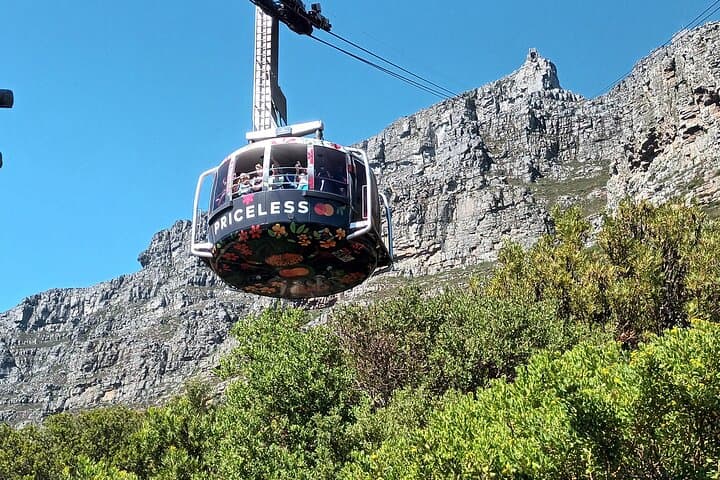
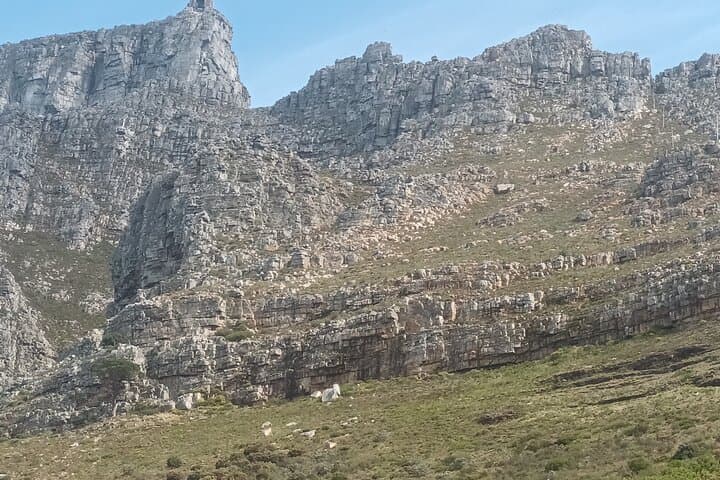
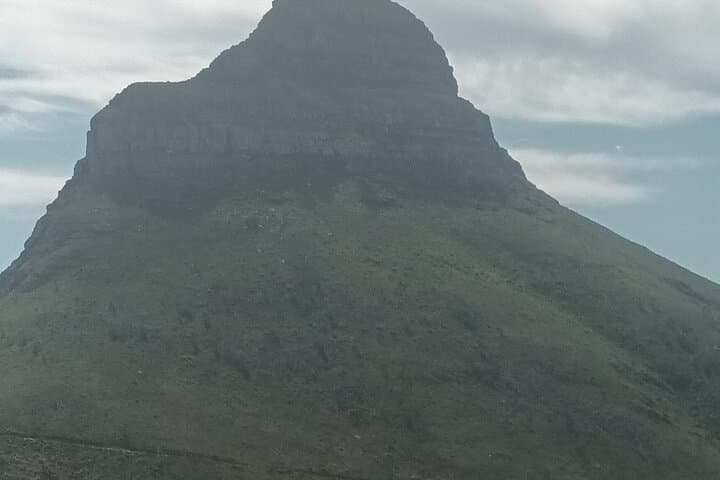
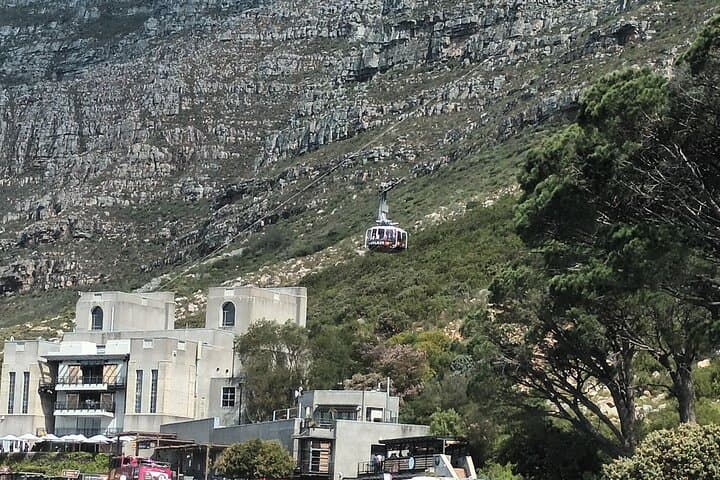
You step off the cable car onto wind-whipped rock and the city unfolds beneath you—harbor cranes, the sweep of False Bay, and the serrated edge of the Twelve Apostles dropping to the sea. The air smells of fynbos and salt; stone hyraxes (dassies) watch you from cracks in the quartzite.
You step off the cable car onto wind-whipped rock and the city unfolds beneath you—harbor cranes, the sweep of False Bay, and the serrated edge of the Twelve Apostles dropping to the sea. The air smells of fynbos and salt; stone hyraxes (dassies) watch you from cracks in the quartzite.
Geology here is blunt and old: Table Mountain’s flat summit is hard, erosion-resistant quartzite, worn level over millions of years and capped with thin soils that support a unique fynbos flora. The day shifts from natural spectacle to human history at the V&A Waterfront, where a short ferry cuts across Table Bay to Robben Island. The island’s stark prison buildings—where Nelson Mandela and other political prisoners were held—offer a plain, guided account of South Africa’s apartheid past that contrasts sharply with the summit’s wild openness.
Expect an 8‑hour rhythm: early cable‑car ascent, short summit walks and viewpoints, transfer to the waterfront, then the ferry crossing and a guided prison tour. Bring layered clothing for rapid temperature and wind changes on the mountain, sun protection for exposed ridgelines, and comfortable shoes for cobbled and rocky surfaces. Book ferries in advance—Robben Island operates on a fixed schedule—and allow time for security screening at the museum.
Practical pointers: arrive early to beat crowds and crosswinds, carry water and a small pack for souvenirs and camera gear, and plan transport back to the city—most itineraries include air‑conditioned transfers. The day pairs outdoor viewpoints with a sober historical visit, making for a balanced Cape Town experience.