THE ADVENTURE COLLECTIVE® · Independent discovery and booking for outdoor travel

Spend a day exploring northwest Bali’s highlights: mist-wreathed Ulun Danu on Lake Beratan, UNESCO-listed Jatiluwih rice terraces, the royal Taman Ayun temple, and the dramatic offshore silhouette of Tanah Lot. This vehicle-led tour pairs short walks with cultural context and scenic viewpoints.
Spend a day exploring northwest Bali’s highlights: mist-wreathed Ulun Danu on Lake Beratan, UNESCO-listed Jatiluwih rice terraces, the royal Taman Ayun temple, and the dramatic offshore silhouette of Tanah Lot. This vehicle-led tour pairs short walks with cultural context and scenic viewpoints.
The day opens with a cool mountain breath as you climb out of the lowlands toward Danau Beratan, mist lifting off the lake and Ulun Danu’s tiered shrine sitting like a question posed to the water.
Verified experiences and guided adventures in the surrounding area.
Operated by BaliCab · Tabanan, Bali
The day opens with a cool mountain breath as you climb out of the lowlands toward Danau Beratan, mist lifting off the lake and Ulun Danu’s tiered shrine sitting like a question posed to the water.
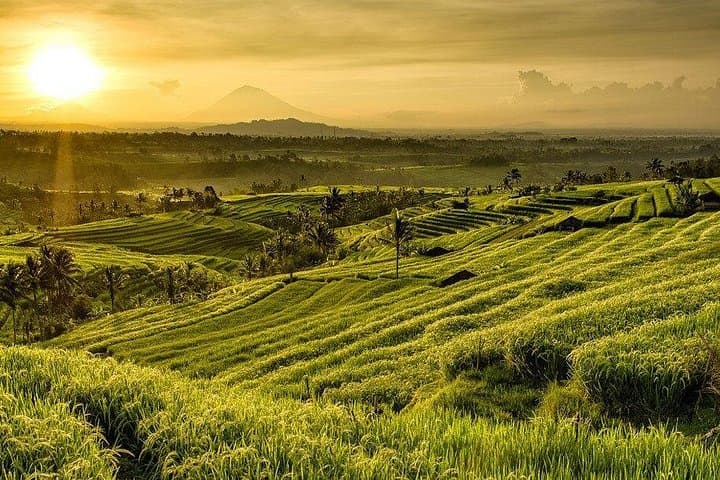
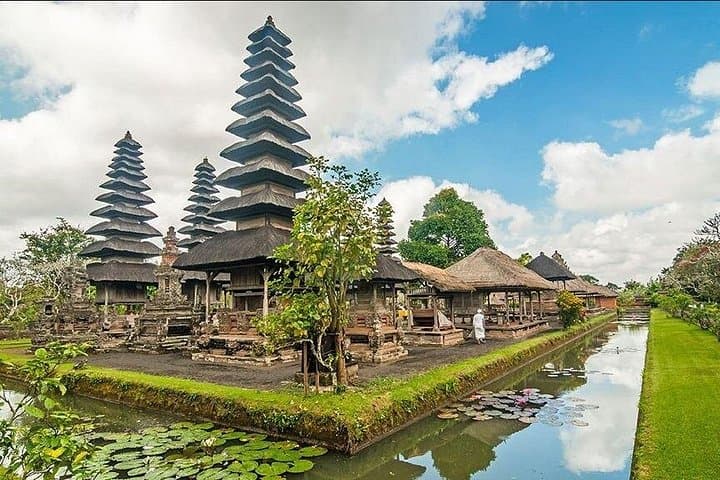
From there the route threads through volcanic foothills to Jatiluwih, where wide, green rice terraces step down in geometric waves shaped by the centuries-old Subak irrigation system. Taman Ayun arrives next—a royal temple framed by reflective fishponds and carved meru roofs that mark Mengwi’s historical influence in western Bali. The finale is Tanah Lot: a sea-temple perched on black rock, waves daring the base and offering the classic silhouette at low tide.
Geology here is obvious: volcanic soils feed rice paddies and create cratered lakes; the island’s uplands capture rain that the Subak channels into layered fields. Culturally, the Subak cooperative system is UNESCO-recognized, and local temples remain active centers for offerings and ceremonies—respectful dress and quiet observation are expected.
Practically, this is a vehicle-led full-day tour of 5–10 hours with short guided walks at each stop. Expect uneven stone paths at temples and muddy sections at terraces after rain. Bring sun protection, a light rain layer and cash for small entrance fees and snacks. Timing matters: sunrise or early morning at Beratan reduces haze; Tanah Lot is busiest around sunset.
The route balances easy driving with brief, sensory-rich walks—rice terraces that smell of wet earth, temple bells mingling with surf, and a day that strings together Bali’s landscape, religion and agrarian history into a compact, accessible loop.
easy.
5–10 hours.
Suitable for travelers with moderate mobility; involves short walks up and down uneven terrain but no sustained hiking
The tour runs approximately 5–10 hours depending on traffic, stop durations, and whether you choose sunrise/sunset options.
Most operator descriptions exclude some local entrance fees; bring cash for small admissions and donations at temples.
Short vehicle transfers and easy walks make it family-friendly; some temple grounds and viewpoints have steps—verify wheelchair access with the operator beforehand.
Dry season (April–October) offers clearer views and drier trails; early morning reduces haze at Beratan and late afternoon is best for Tanah Lot’s silhouette.
The Subak irrigation system that shapes the Jatiluwih terraces is a communal practice dating back centuries and is recognized by UNESCO as a living cultural landscape. Taman Ayun was built in the 17th century by the Mengwi royal family.
Visitors should stay on marked paths to protect terrace walls and avoid polluting lakes; local communities rely on tourism income so respectful behavior supports conservation and livelihoods.
BaliCab operates guided outdoor trips and adventures with an emphasis on safety, stewardship, and memorable experiences.


The day opens with a cool mountain breath as you climb out of the lowlands toward Danau Beratan, mist lifting off the lake and Ulun Danu’s tiered shrine sitting like a question posed to the water.
The day opens with a cool mountain breath as you climb out of the lowlands toward Danau Beratan, mist lifting off the lake and Ulun Danu’s tiered shrine sitting like a question posed to the water.
From there the route threads through volcanic foothills to Jatiluwih, where wide, green rice terraces step down in geometric waves shaped by the centuries-old Subak irrigation system. Taman Ayun arrives next—a royal temple framed by reflective fishponds and carved meru roofs that mark Mengwi’s historical influence in western Bali. The finale is Tanah Lot: a sea-temple perched on black rock, waves daring the base and offering the classic silhouette at low tide.
Geology here is obvious: volcanic soils feed rice paddies and create cratered lakes; the island’s uplands capture rain that the Subak channels into layered fields. Culturally, the Subak cooperative system is UNESCO-recognized, and local temples remain active centers for offerings and ceremonies—respectful dress and quiet observation are expected.
Practically, this is a vehicle-led full-day tour of 5–10 hours with short guided walks at each stop. Expect uneven stone paths at temples and muddy sections at terraces after rain. Bring sun protection, a light rain layer and cash for small entrance fees and snacks. Timing matters: sunrise or early morning at Beratan reduces haze; Tanah Lot is busiest around sunset.
The route balances easy driving with brief, sensory-rich walks—rice terraces that smell of wet earth, temple bells mingling with surf, and a day that strings together Bali’s landscape, religion and agrarian history into a compact, accessible loop.