THE ADVENTURE COLLECTIVE® · Independent discovery and booking for outdoor travel

Spend a private day moving from UNESCO‑listed Stone Town’s alleys to spice‑scented plantations and the swampy green of Jozani Forest. This full‑day tour blends history, sensory exploration, and close encounters with Zanzibar’s endemic wildlife.
Spend a private day moving from UNESCO‑listed Stone Town’s alleys to spice‑scented plantations and the swampy green of Jozani Forest. This full‑day tour blends history, sensory exploration, and close encounters with Zanzibar’s endemic wildlife.
You step off the air‑conditioned vehicle into a stone‑lined alley where the ocean air slides through carved wooden doors and laundry snaps on lines above.
Verified experiences and guided adventures in the surrounding area.
Operated by Viva Ocean Tours & Safaris · Stone Town, Zanzibar
You step off the air‑conditioned vehicle into a stone‑lined alley where the ocean air slides through carved wooden doors and laundry snaps on lines above.
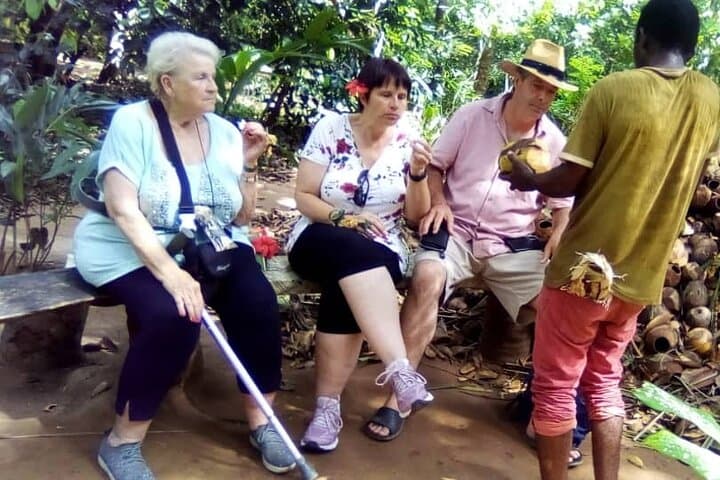
Stone Town opens as a compact walking city — narrow lanes, coral rag facades, and the quick chatter of vendors. The guide moves the group through market stalls and past the old slave market site, explaining the Omani and Swahili influences that shaped local architecture and trade. From there the day shifts: the Spice Farms explode with scent — cloves, cinnamon, and cardamom — where local farmers demonstrate how spices are grown and used in cooking and folk medicine.
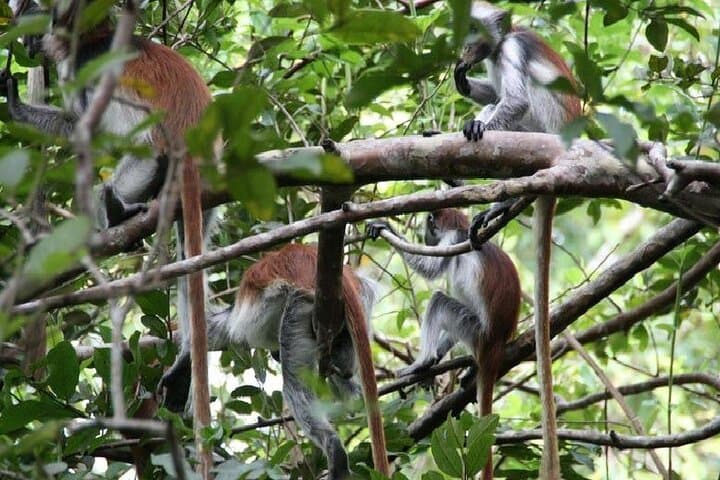
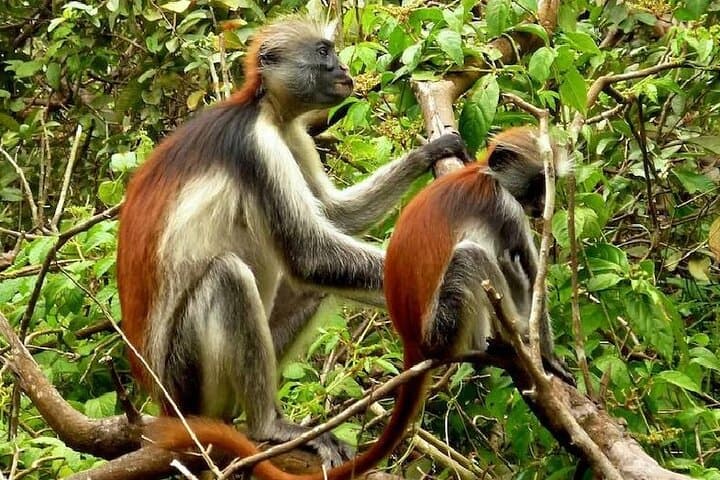
Later, the landscape softens into the damp green of Jozani‑Chwaka National Park. The boardwalk winds through mangrove roots and swampy soil; the endemic Zanzibar red colobus monkeys watch from canopy edges, a wary, curious presence. Geologically the island sits on coral limestone with flat, low‑lying terrain that channels tidal influence into seasonal wetlands — it’s why Jozani supports both forest and mangrove ecosystems.
Practical side: this is a full 7–8 hour private tour largely at sea level with mostly flat walking, short staircases in Stone Town, and boardwalk surfaces in Jozani. Wear sturdy walking shoes that can handle cobbles and damp timber, carry sunscreen and a refillable water bottle, and plan for local cash for small purchases and tips. Respect wildlife distances and follow the guide’s directions around monkeys; don’t feed them. The mix of culture, flavor, and nature makes for a concentrated, accessible day that reads like a quick primer on Zanzibar’s past and present.
easy.
7–8 hours.
Suitable for most fitness levels; requires several short walks and standing periods but no steep climbs.
Expect about 7–8 hours door‑to‑door; most itineraries run roughly 420–480 minutes including transport and guided stops.
This tour description notes admissions are included for the sites visited, but confirm at booking and carry some cash for optional purchases.
The tour is labeled suitable for all fitness levels; infants must sit on an adult’s lap during transport and children should be supervised around wildlife and markets.
Private tour guides commonly speak English; request a specific language when booking if needed.
Stone Town is a UNESCO World Heritage site shaped by centuries of African, Arab, Indian and European trade, including the historical realities of the 19th‑century slave trade.
Jozani‑Chwaka is a protected area under pressure from development and tourism; stay on trails, avoid feeding wildlife, and support local guides who practice low‑impact visitation.
Viva Ocean Tours & Safaris operates guided outdoor trips and adventures with an emphasis on safety, stewardship, and memorable experiences.
You step off the air‑conditioned vehicle into a stone‑lined alley where the ocean air slides through carved wooden doors and laundry snaps on lines above.
You step off the air‑conditioned vehicle into a stone‑lined alley where the ocean air slides through carved wooden doors and laundry snaps on lines above.
Stone Town opens as a compact walking city — narrow lanes, coral rag facades, and the quick chatter of vendors. The guide moves the group through market stalls and past the old slave market site, explaining the Omani and Swahili influences that shaped local architecture and trade. From there the day shifts: the Spice Farms explode with scent — cloves, cinnamon, and cardamom — where local farmers demonstrate how spices are grown and used in cooking and folk medicine.
Later, the landscape softens into the damp green of Jozani‑Chwaka National Park. The boardwalk winds through mangrove roots and swampy soil; the endemic Zanzibar red colobus monkeys watch from canopy edges, a wary, curious presence. Geologically the island sits on coral limestone with flat, low‑lying terrain that channels tidal influence into seasonal wetlands — it’s why Jozani supports both forest and mangrove ecosystems.
Practical side: this is a full 7–8 hour private tour largely at sea level with mostly flat walking, short staircases in Stone Town, and boardwalk surfaces in Jozani. Wear sturdy walking shoes that can handle cobbles and damp timber, carry sunscreen and a refillable water bottle, and plan for local cash for small purchases and tips. Respect wildlife distances and follow the guide’s directions around monkeys; don’t feed them. The mix of culture, flavor, and nature makes for a concentrated, accessible day that reads like a quick primer on Zanzibar’s past and present.