THE ADVENTURE COLLECTIVE® · Independent discovery and booking for outdoor travel

Ride the Franschhoek Wine Tram and visit top estates in Stellenbosch and Franschhoek on a full-day shared tour. Expect curated tastings, sunlit terraces, and sweeping mountain views with comfortable tram transfers between wineries.
Ride the Franschhoek Wine Tram and visit top estates in Stellenbosch and Franschhoek on a full-day shared tour. Expect curated tastings, sunlit terraces, and sweeping mountain views with comfortable tram transfers between wineries.
A morning wind presses cool against the windows as the tram slides out of Franschhoek village, vines stretching like rows of hands toward the low sun. Travelers move between tasting rooms and terraces, glassware chiming, while mountains loom—Simonsberg and the Hottentots Holland—keeping time with the valley’s slow pulse.
Verified experiences and guided adventures in the surrounding area.
Operated by Lola Tours · Stellenbosch, Western Cape
A morning wind presses cool against the windows as the tram slides out of Franschhoek village, vines stretching like rows of hands toward the low sun. Travelers move between tasting rooms and terraces, glassware chiming, while mountains loom—Simonsberg and the Hottentots Holland—keeping time with the valley’s slow pulse.
This route threads two of South Africa’s oldest wine regions. Stellenbosch grew around Dutch and later Huguenot plantings in the 17th century; Franschhoek preserves French influences in its place names and cellars. Geology here matters: granitic and sandstone soils on sloping alluvium give reds and Chenin Blancs distinct structure and minerality. Culture is part vineyard, part kitchen—farm kitchens and cellar restaurants pair local produce with robust, terroir-driven wines.
Expect curated stops at both modern estates and family-run farms—tastings guided by cellar staff, brief cellar tours or tastings on sunlit terraces, and a chance to ride the iconic Franschhoek Wine Tram between properties. The day moves at a relaxed pace but fills nine hours with tasting sessions, short walks around estate lawns, and photo stops at viewpoints.
Practical pointers: book with pickup from Cape Town or Stellenbosch, carry a refillable water bottle, and pace tastings (spit buckets are common). Comfortable walking shoes handle gravel lanes and estate steps; sunscreen and a hat are essential for midday exposure. Travel insurance and a sensible plan for return transport are recommended if you’ll be sampling. This is a full-day, easy-paced celebration of Western Cape viticulture—scenic, sensory, and straightforward to enjoy.
easy.
9 hours.
Suitable for most fitness levels; involves short walks (5–20 minutes) around estates and boarding the tram.
Most tastings are included as part of the curated itinerary, but confirm specific estate inclusions when booking; some premium tastings or cellar experiences may incur a supplement.
The operator commonly offers shared pickup from central Cape Town hotels or Stellenbosch meeting points—confirm your selected pickup point at booking and allow time for collection stops.
Children are allowed but minors will not be served alcohol; the tour is family-friendly but oriented toward adult tasting experiences.
Many estates have accessible areas and the tram has limited accessibility; notify the operator in advance to arrange appropriate pickup and estate access.
Winemaking in the Western Cape dates to the 17th century when Dutch settlers and French Huguenots established vineyards; many estates retain architectural and cultural links to that heritage.
Estates increasingly focus on water-wise viticulture and biodiversity corridors; visitors can support sustainability by choosing farms that practice responsible irrigation and waste reduction.
Lola Tours operates guided outdoor trips and adventures with an emphasis on safety, stewardship, and memorable experiences.
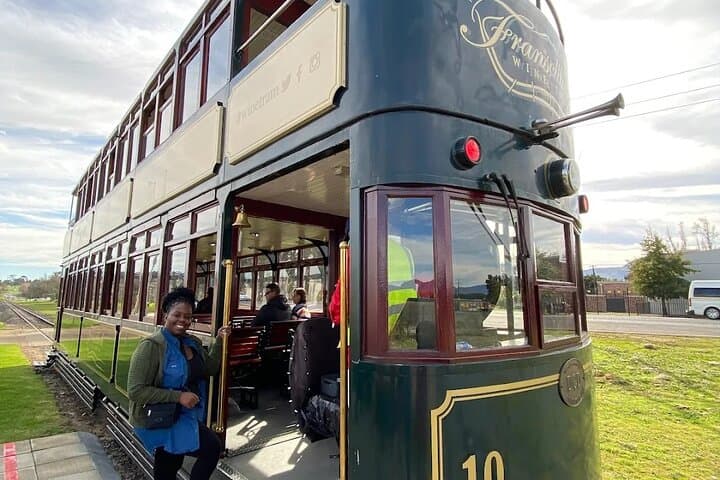
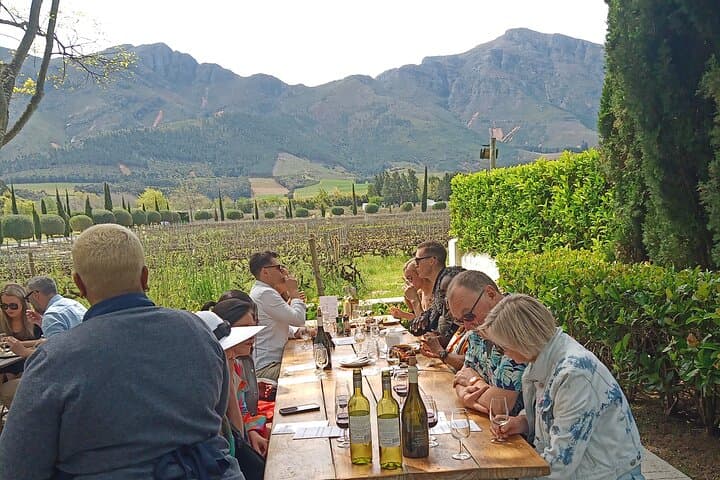
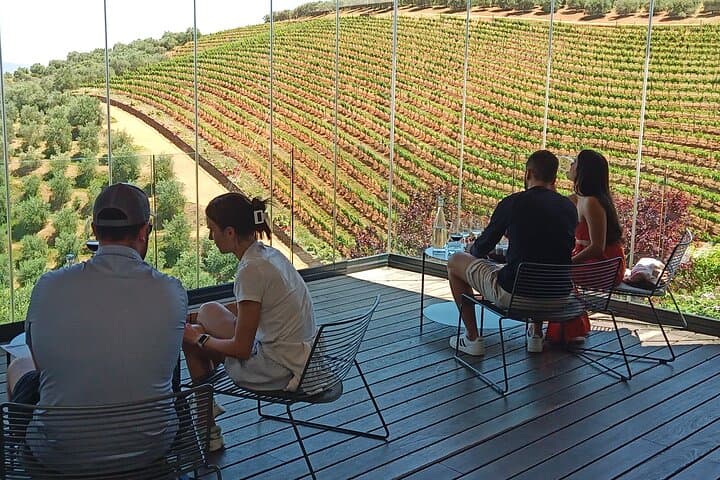
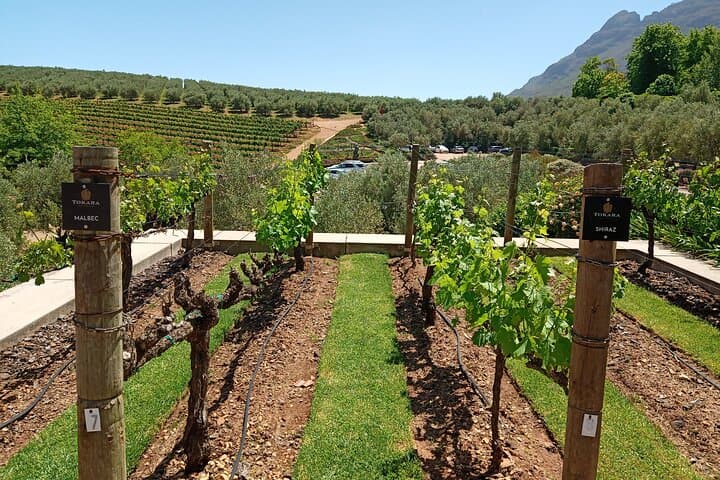
A morning wind presses cool against the windows as the tram slides out of Franschhoek village, vines stretching like rows of hands toward the low sun. Travelers move between tasting rooms and terraces, glassware chiming, while mountains loom—Simonsberg and the Hottentots Holland—keeping time with the valley’s slow pulse.
A morning wind presses cool against the windows as the tram slides out of Franschhoek village, vines stretching like rows of hands toward the low sun. Travelers move between tasting rooms and terraces, glassware chiming, while mountains loom—Simonsberg and the Hottentots Holland—keeping time with the valley’s slow pulse.
This route threads two of South Africa’s oldest wine regions. Stellenbosch grew around Dutch and later Huguenot plantings in the 17th century; Franschhoek preserves French influences in its place names and cellars. Geology here matters: granitic and sandstone soils on sloping alluvium give reds and Chenin Blancs distinct structure and minerality. Culture is part vineyard, part kitchen—farm kitchens and cellar restaurants pair local produce with robust, terroir-driven wines.
Expect curated stops at both modern estates and family-run farms—tastings guided by cellar staff, brief cellar tours or tastings on sunlit terraces, and a chance to ride the iconic Franschhoek Wine Tram between properties. The day moves at a relaxed pace but fills nine hours with tasting sessions, short walks around estate lawns, and photo stops at viewpoints.
Practical pointers: book with pickup from Cape Town or Stellenbosch, carry a refillable water bottle, and pace tastings (spit buckets are common). Comfortable walking shoes handle gravel lanes and estate steps; sunscreen and a hat are essential for midday exposure. Travel insurance and a sensible plan for return transport are recommended if you’ll be sampling. This is a full-day, easy-paced celebration of Western Cape viticulture—scenic, sensory, and straightforward to enjoy.