THE ADVENTURE COLLECTIVE® · Independent discovery and booking for outdoor travel

Spend a full day tracing Iceland’s southern edge: walk behind Seljalandsfoss, stand beneath Skógafoss’s 60‑metre drop, feel the black sand at Reynisfjara, and approach Sólheimajökull. This bilingual tour balances close-up sights with practical guidance and ample coach time.
Spend a full day tracing Iceland’s southern edge: walk behind Seljalandsfoss, stand beneath Skógafoss’s 60‑metre drop, feel the black sand at Reynisfjara, and approach Sólheimajökull. This bilingual tour balances close-up sights with practical guidance and ample coach time.
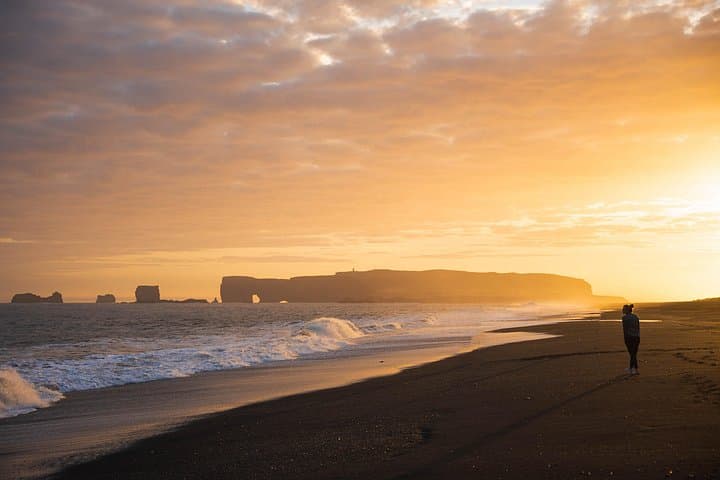
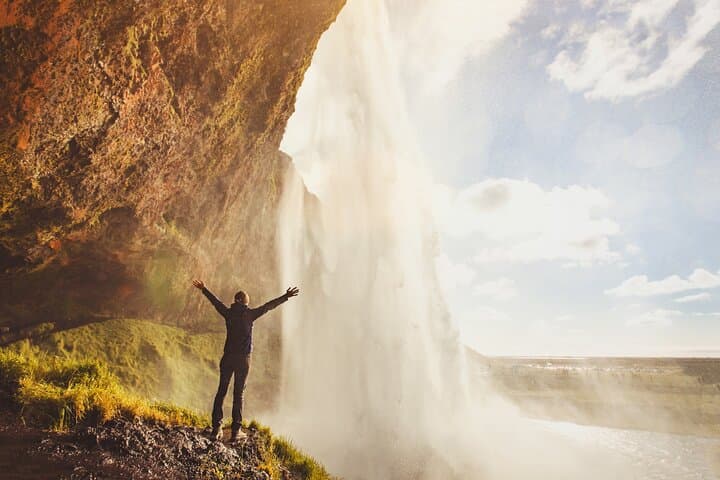
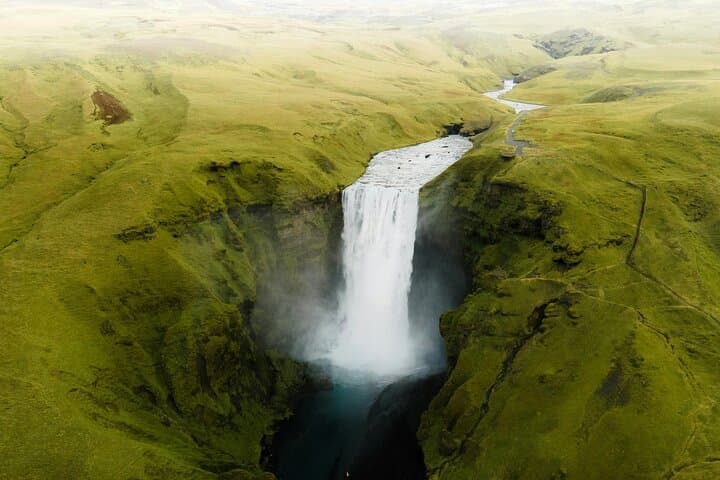
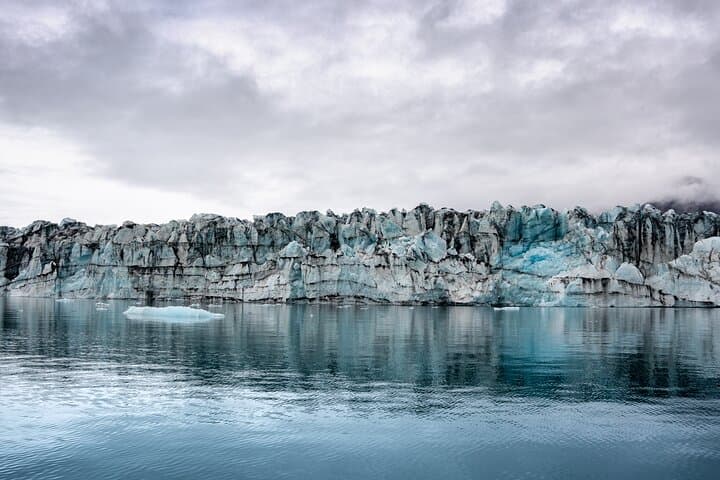
A low, cold wind meets the coach as it pulls out of Reykjavík and the landscape stretches—black gravel, sudden greens, then a curtain of water. By midmorning you stand at Seljalandsfoss watching meltwater fling itself over a lip; if conditions allow, you can walk behind its curtain and feel the spray on your face. The guide, bilingual in Spanish and English, sketches the route: hidden Gljúfrabúi tucked in a cleft, the 60‑metre drop of Skógafoss, the stoic church on Vík’s hill, Reynisfjara’s basalt columns and the dark sweep of the North Atlantic, and finally a close approach to Sólheimajökull glacier.
Verified experiences and guided adventures in the surrounding area.
Operated by EastWest · Reykjavik, Capital Region
A low, cold wind meets the coach as it pulls out of Reykjavík and the landscape stretches—black gravel, sudden greens, then a curtain of water. By midmorning you stand at Seljalandsfoss watching meltwater fling itself over a lip; if conditions allow, you can walk behind its curtain and feel the spray on your face. The guide, bilingual in Spanish and English, sketches the route: hidden Gljúfrabúi tucked in a cleft, the 60‑metre drop of Skógafoss, the stoic church on Vík’s hill, Reynisfjara’s basalt columns and the dark sweep of the North Atlantic, and finally a close approach to Sólheimajökull glacier.
This coastline is carved by fire and ice—basalt born of volcanic eruptions, black sand ground from cooled lava, and glaciers that once gouged the fjords. Vík remains a fishing village shaped by storms and the shadow of Katla beneath the ice. Guides weave geology and local lore through the day, pointing to landmarks that reveal Iceland’s restless past.
Practically: expect a full 10‑hour day with lengthy stretches on the bus (up to 5–6 hours total transit). Short walks and stairs at viewpoints demand steady footwear and rainproof layers. Reynisfjara’s waves are notoriously powerful—keep distance and obey signs. Weather changes fast; pack warm layers, a windproof shell, and waterproof shoes. The tour is suitable for most fitness levels but is not recommended for travelers with mobility problems due to uneven paths and short hikes. Bring snacks, a charged camera, and patience—the payoff is a compact lesson in Iceland’s raw coastal geology and dramatic, close‑up scenery.
easy.
10 hours.
Suitable for most fitness levels; participants should be able to manage short walks, stairs, and uneven terrain.
When conditions permit you can walk behind Seljalandsfoss on a designated path; wear waterproof clothing as spray is heavy.
The tour approaches and places a foot on the glacier edge but does not include a technical glacier hike or crampons unless a separate activity is booked.
Lunch is not usually included; the itinerary includes a break in Vík where you can buy food, so bring snacks if you prefer.
Not recommended for travelers with mobility problems due to uneven paths, stairs and short hikes at several stops.
The South Coast is a landscape forged by volcanic eruptions under ice—Katla and past eruptions have repeatedly reshaped the shore and created the black sands from lava flows.
Reynisfjara and other sites are sensitive to erosion and visitor impact; follow marked paths, avoid trampling vegetation and heed safety signage to protect fragile moss and cliffs.
EastWest operates guided outdoor trips and adventures with an emphasis on safety, stewardship, and memorable experiences.
A low, cold wind meets the coach as it pulls out of Reykjavík and the landscape stretches—black gravel, sudden greens, then a curtain of water. By midmorning you stand at Seljalandsfoss watching meltwater fling itself over a lip; if conditions allow, you can walk behind its curtain and feel the spray on your face. The guide, bilingual in Spanish and English, sketches the route: hidden Gljúfrabúi tucked in a cleft, the 60‑metre drop of Skógafoss, the stoic church on Vík’s hill, Reynisfjara’s basalt columns and the dark sweep of the North Atlantic, and finally a close approach to Sólheimajökull glacier.
A low, cold wind meets the coach as it pulls out of Reykjavík and the landscape stretches—black gravel, sudden greens, then a curtain of water. By midmorning you stand at Seljalandsfoss watching meltwater fling itself over a lip; if conditions allow, you can walk behind its curtain and feel the spray on your face. The guide, bilingual in Spanish and English, sketches the route: hidden Gljúfrabúi tucked in a cleft, the 60‑metre drop of Skógafoss, the stoic church on Vík’s hill, Reynisfjara’s basalt columns and the dark sweep of the North Atlantic, and finally a close approach to Sólheimajökull glacier.
This coastline is carved by fire and ice—basalt born of volcanic eruptions, black sand ground from cooled lava, and glaciers that once gouged the fjords. Vík remains a fishing village shaped by storms and the shadow of Katla beneath the ice. Guides weave geology and local lore through the day, pointing to landmarks that reveal Iceland’s restless past.
Practically: expect a full 10‑hour day with lengthy stretches on the bus (up to 5–6 hours total transit). Short walks and stairs at viewpoints demand steady footwear and rainproof layers. Reynisfjara’s waves are notoriously powerful—keep distance and obey signs. Weather changes fast; pack warm layers, a windproof shell, and waterproof shoes. The tour is suitable for most fitness levels but is not recommended for travelers with mobility problems due to uneven paths and short hikes. Bring snacks, a charged camera, and patience—the payoff is a compact lesson in Iceland’s raw coastal geology and dramatic, close‑up scenery.