THE ADVENTURE COLLECTIVE® · Independent discovery and booking for outdoor travel

Spend a full day snowshoeing across the Olympic ranges surrounding Sarajevo—Bjelašnica, Igman, Trebević and Jahorina—walking former Olympic slopes, alpine meadows and semi-nomadic villages. This guide explains what to expect, how to prepare, and where the best quiet routes lie.
Spend a full day snowshoeing across the Olympic ranges surrounding Sarajevo—Bjelašnica, Igman, Trebević and Jahorina—walking former Olympic slopes, alpine meadows and semi-nomadic villages. This guide explains what to expect, how to prepare, and where the best quiet routes lie.
A cold breath of mountain air hits as the minivan climbs out of Sarajevo and the city’s rooftop sprawl recedes. Snow fields open like white pages; ridgelines of Bjelašnica, Igman, Trebević and Jahorina stand as readable maps of the 1984 Winter Games. Participants step into borrowed snowshoes and move with deliberate, easy rhythm—tracks scored into quiet slopes, the landscape answering with distant ravine echoes.
Verified experiences and guided adventures in the surrounding area.
Operated by Funky Tours · Sarajevo, Federation of Bosnia and Herzegovina
A cold breath of mountain air hits as the minivan climbs out of Sarajevo and the city’s rooftop sprawl recedes. Snow fields open like white pages; ridgelines of Bjelašnica, Igman, Trebević and Jahorina stand as readable maps of the 1984 Winter Games. Participants step into borrowed snowshoes and move with deliberate, easy rhythm—tracks scored into quiet slopes, the landscape answering with distant ravine echoes.
These ranges are young by geological standards: limestone and flysch folded and tilted by the Dinaric Alps’ uplift, then carved by glacial action into broad saddles and bowl-shaped hollows. Cultural layers are equally visible—herder trails, shepherd stone huts, and mountain villages such as Umoljani and Lukomir, where stone homes survive traditional ways of life.
Guides frame the day with local history: where Olympic trails once channeled skiers, now snowshoers spread out to sample quieter routes. Expect forested switchbacks, open alpine pastures, and sections of compact snow that test balance more than endurance.
Practical guidance: be ready for a full 10-hour outing including transfers and a picnic lunch. Wear waterproof boots, layered insulating clothing, and sunglasses or goggles; the guide supplies snowshoes, poles and gaiters. Hydrate before you start and snack frequently—cold saps energy faster than you think.
Timing matters: morning departures avoid afternoon wind and rising temperatures. Moderate fitness keeps the day enjoyable; beginners are welcome but honest fitness info helps guides pick the right valley. On clear days, Sarajevo’s bowl sits below like a map, and the mountains will dare you to keep moving forward.
moderate.
10 hours (including transfers and lunch).
Moderate cardiovascular fitness and basic leg strength; suitable for beginners with reasonable stamina
No—beginners are welcome; guides teach basic technique and will pick terrain to match the group’s ability.
The tour provides snowshoes, poles and gaiters; participants should bring proper boots, layers, sunglasses and personal items.
The full-day experience runs about 10 hours including round-trip transfers from Sarajevo and a picnic lunch.
The tour accommodates kids and various fitness levels, but it’s not recommended for people with serious cardiovascular issues—disclose health concerns when booking.
These mountains hosted events during the 1984 Winter Olympics and retain scars and routes once used for Nordic and alpine competition.
Stick to existing trails where possible, pack out all waste, and use local guides to minimize disturbance to fragile alpine meadows and village ecosystems.
Funky Tours operates guided outdoor trips and adventures with an emphasis on safety, stewardship, and memorable experiences.
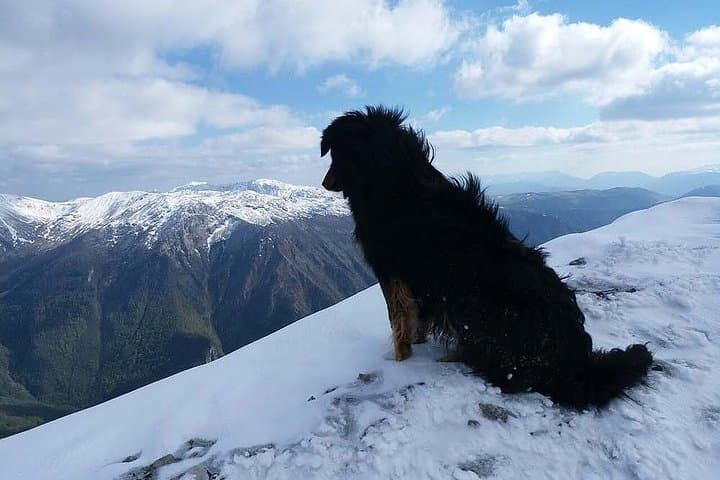
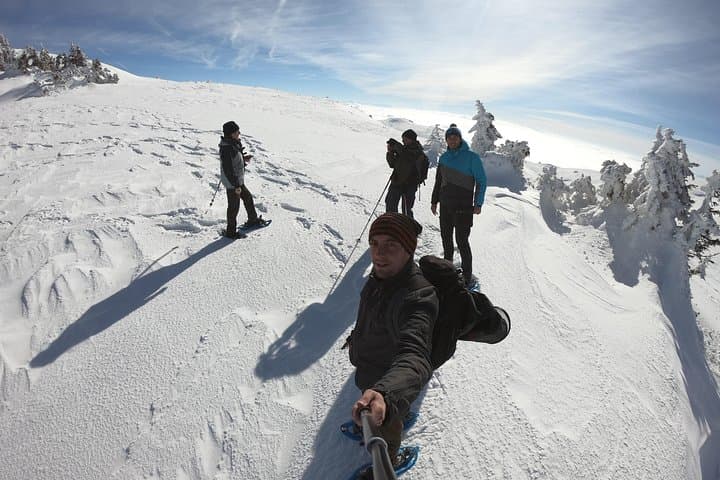
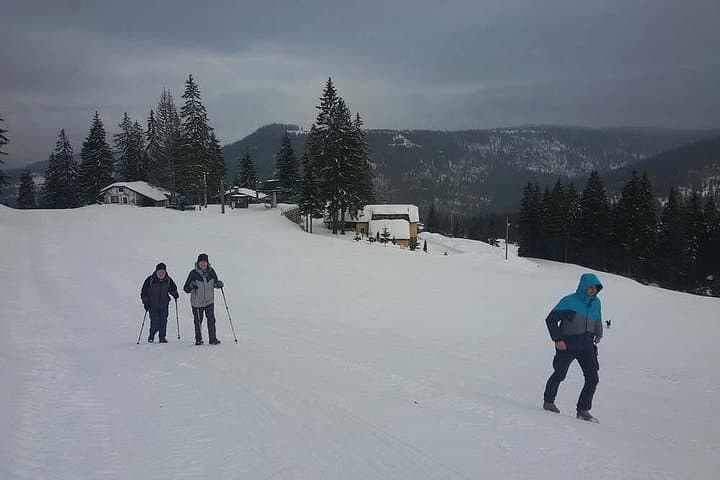
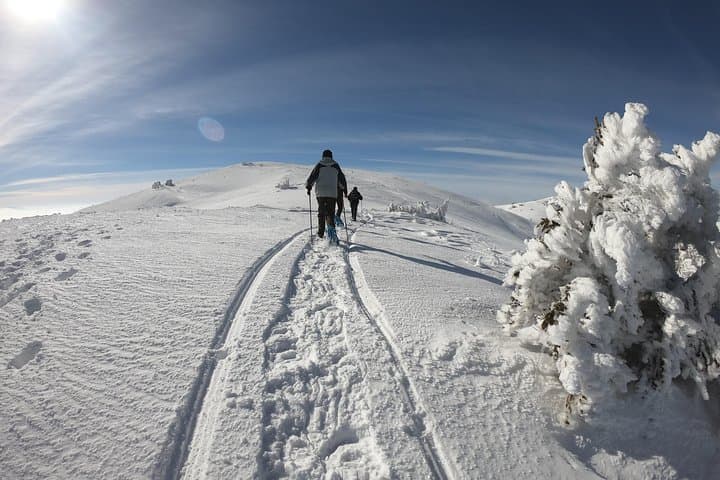
A cold breath of mountain air hits as the minivan climbs out of Sarajevo and the city’s rooftop sprawl recedes. Snow fields open like white pages; ridgelines of Bjelašnica, Igman, Trebević and Jahorina stand as readable maps of the 1984 Winter Games. Participants step into borrowed snowshoes and move with deliberate, easy rhythm—tracks scored into quiet slopes, the landscape answering with distant ravine echoes.
A cold breath of mountain air hits as the minivan climbs out of Sarajevo and the city’s rooftop sprawl recedes. Snow fields open like white pages; ridgelines of Bjelašnica, Igman, Trebević and Jahorina stand as readable maps of the 1984 Winter Games. Participants step into borrowed snowshoes and move with deliberate, easy rhythm—tracks scored into quiet slopes, the landscape answering with distant ravine echoes.
These ranges are young by geological standards: limestone and flysch folded and tilted by the Dinaric Alps’ uplift, then carved by glacial action into broad saddles and bowl-shaped hollows. Cultural layers are equally visible—herder trails, shepherd stone huts, and mountain villages such as Umoljani and Lukomir, where stone homes survive traditional ways of life.
Guides frame the day with local history: where Olympic trails once channeled skiers, now snowshoers spread out to sample quieter routes. Expect forested switchbacks, open alpine pastures, and sections of compact snow that test balance more than endurance.
Practical guidance: be ready for a full 10-hour outing including transfers and a picnic lunch. Wear waterproof boots, layered insulating clothing, and sunglasses or goggles; the guide supplies snowshoes, poles and gaiters. Hydrate before you start and snack frequently—cold saps energy faster than you think.
Timing matters: morning departures avoid afternoon wind and rising temperatures. Moderate fitness keeps the day enjoyable; beginners are welcome but honest fitness info helps guides pick the right valley. On clear days, Sarajevo’s bowl sits below like a map, and the mountains will dare you to keep moving forward.