THE ADVENTURE COLLECTIVE® · Independent discovery and booking for outdoor travel

Spend a full day above Santiago exploring Farellones, La Parva and Valle Nevado—snow play, panoramic lookouts and optional mountain lunches. Practical tips on altitude, clothing and timing help you make the most of the trip.
Spend a full day above Santiago exploring Farellones, La Parva and Valle Nevado—snow play, panoramic lookouts and optional mountain lunches. Practical tips on altitude, clothing and timing help you make the most of the trip.
A dawn bus unspools from Santiago, carving the Andean slope as Farellones appears, roofs dusted with fresh snow and the valley air sharp on your face.
The tour threads through narrow switchbacks to Valle Nevado, where wind-scoured ridgelines and broad bowl-shaped basins speak to the geology of uplifted granite and glacial sculpting.
Farellones began as a high-altitude mining hamlet before evolving into a cluster of mountain lodges; La Parva and Valle Nevado are younger ski developments that define this segment of the Central Andes.
Locals balance a practical mountaineering culture—rentals, guiding services, and roadside kiosks—with Chilean mountain cuisine served in small restaurants.
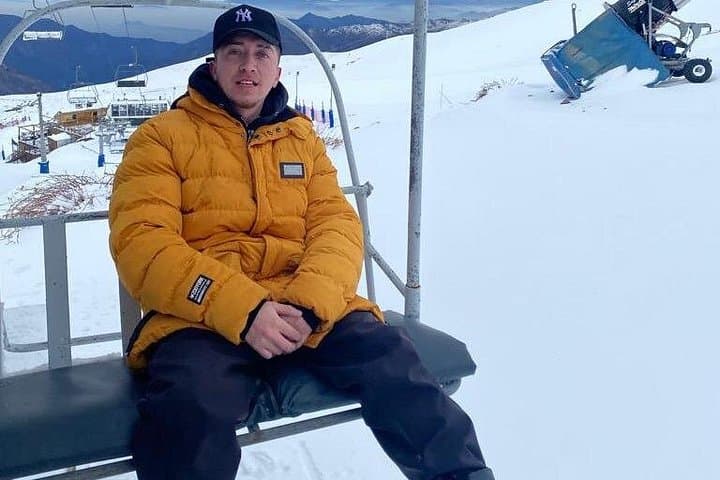
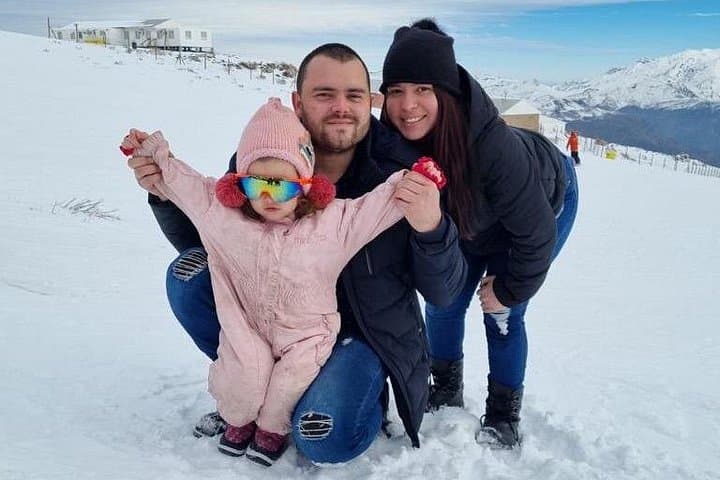
Expect panoramic pullouts onto curved shoulders of the road, quick photo stops, and supervised time to play in the snow or try basic sledding; lunch in La Parva is optional and seasonal.
Practically, the day is long (roughly seven to eight hours including transfers), and altitude climbs to about 3,000–3,500 meters; that thin air changes how you hydrate and move.
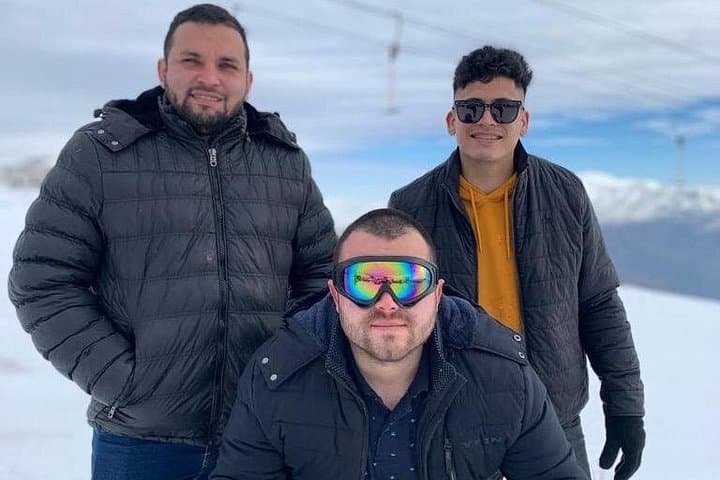
Wear layered synthetics, waterproof outerwear, sunglasses and sunscreen; keep a warm hat and gloves within reach.
The terrain visited is paved road, village trails and gentle snowfields rather than technical slopes, so no technical skills are required—only attention to footing on icy patches.
Bring cash for small rentals and snacks, and consider motion-sickness remedies for winding descents.
If planning midweek or outside peak winter weekends, you’ll find fewer crowds and clearer photo light.
Book an early pickup to maximize daylight and ask about clothing rentals before departure online.
Verified experiences and guided adventures in the surrounding area.
Operated by Travesia Turismo y Transporte · Farellones, Santiago Metropolitan Region
A dawn bus unspools from Santiago, carving the Andean slope as Farellones appears, roofs dusted with fresh snow and the valley air sharp on your face.
The tour threads through narrow switchbacks to Valle Nevado, where wind-scoured ridgelines and broad bowl-shaped basins speak to the geology of uplifted granite and glacial sculpting.
Farellones began as a high-altitude mining hamlet before evolving into a cluster of mountain lodges; La Parva and Valle Nevado are younger ski developments that define this segment of the Central Andes.
Locals balance a practical mountaineering culture—rentals, guiding services, and roadside kiosks—with Chilean mountain cuisine served in small restaurants.
Expect panoramic pullouts onto curved shoulders of the road, quick photo stops, and supervised time to play in the snow or try basic sledding; lunch in La Parva is optional and seasonal.
Practically, the day is long (roughly seven to eight hours including transfers), and altitude climbs to about 3,000–3,500 meters; that thin air changes how you hydrate and move.
Wear layered synthetics, waterproof outerwear, sunglasses and sunscreen; keep a warm hat and gloves within reach.
The terrain visited is paved road, village trails and gentle snowfields rather than technical slopes, so no technical skills are required—only attention to footing on icy patches.
Bring cash for small rentals and snacks, and consider motion-sickness remedies for winding descents.
If planning midweek or outside peak winter weekends, you’ll find fewer crowds and clearer photo light.
Book an early pickup to maximize daylight and ask about clothing rentals before departure online.
moderate.
7–8 hours.
Reasonable mobility and basic fitness for short walks and standing at viewpoints; be prepared for higher elevation and colder conditions.
You can bring your own gear, but rentals for jackets, pants and boots are often available at pickup stops or in Farellones—reserve or arrive early on busy days.
Pickup commonly starts around 6:00 AM and the tour runs roughly 7–8 hours including transfers, stops and free time in the villages.
The tour is suitable for families and older travelers with basic mobility, but it’s not recommended for people with serious heart or respiratory conditions due to altitude and cold.
Ascend slowly, hydrate, avoid alcohol before the trip, and communicate symptoms to the guide; most visits are short exposures that many handle with rest and fluids.
This stretch of the Central Andes transitioned from mining outposts to ski resort clusters in the mid-20th century, shaping modern mountain tourism here.
Fragile alpine soils and seasonal streams are vulnerable—stay on designated areas, pack out waste, and minimize vehicle idling at high-altitude stops.
Travesia Turismo y Transporte operates guided outdoor trips and adventures with an emphasis on safety, stewardship, and memorable experiences.

A dawn bus unspools from Santiago, carving the Andean slope as Farellones appears, roofs dusted with fresh snow and the valley air sharp on your face.
The tour threads through narrow switchbacks to Valle Nevado, where wind-scoured ridgelines and broad bowl-shaped basins speak to the geology of uplifted granite and glacial sculpting.
Farellones began as a high-altitude mining hamlet before evolving into a cluster of mountain lodges; La Parva and Valle Nevado are younger ski developments that define this segment of the Central Andes.
Locals balance a practical mountaineering culture—rentals, guiding services, and roadside kiosks—with Chilean mountain cuisine served in small restaurants.
Expect panoramic pullouts onto curved shoulders of the road, quick photo stops, and supervised time to play in the snow or try basic sledding; lunch in La Parva is optional and seasonal.
Practically, the day is long (roughly seven to eight hours including transfers), and altitude climbs to about 3,000–3,500 meters; that thin air changes how you hydrate and move.
Wear layered synthetics, waterproof outerwear, sunglasses and sunscreen; keep a warm hat and gloves within reach.
The terrain visited is paved road, village trails and gentle snowfields rather than technical slopes, so no technical skills are required—only attention to footing on icy patches.
Bring cash for small rentals and snacks, and consider motion-sickness remedies for winding descents.
If planning midweek or outside peak winter weekends, you’ll find fewer crowds and clearer photo light.
Book an early pickup to maximize daylight and ask about clothing rentals before departure online.