THE ADVENTURE COLLECTIVE® · Independent discovery and booking for outdoor travel

Explore century-old sisal fields and a working processing factory near Tanga on a full-day tour. Learn planting, decortication, fiber grading, and local crafts while experiencing coastal plain landscapes and plantation culture.
Explore century-old sisal fields and a working processing factory near Tanga on a full-day tour. Learn planting, decortication, fiber grading, and local crafts while experiencing coastal plain landscapes and plantation culture.
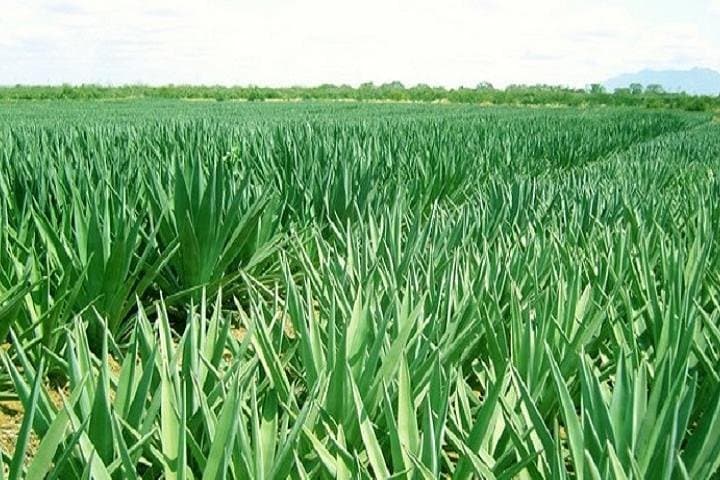
You step out of the air-conditioned vehicle into a wide green plain where serrated agave leaves fan out like rows of disciplined soldiers. The plants smell faintly of green sap and earth; the breeze off the nearby Indian Ocean pushes across the fields, carrying the distant hum of machinery and the shout of workers sorting fibers.
Verified experiences and guided adventures in the surrounding area.
Operated by Livan Cultural Tourism Enterprise-Tanzania · Tanga, Tanga Region
You step out of the air-conditioned vehicle into a wide green plain where serrated agave leaves fan out like rows of disciplined soldiers. The plants smell faintly of green sap and earth; the breeze off the nearby Indian Ocean pushes across the fields, carrying the distant hum of machinery and the shout of workers sorting fibers.
The sisal story here runs more than a century. Introduced to Tanganyika in 1893 by German agronomist Dr. Richard Hindorf, sisal became Tanzania's global cash crop and a major employer through the mid-20th century. Geologically the region sits on coastal plains above ancient coral limestone; soils are sandy but drain well, ideal for agave. Culturally, sisal shaped local towns, work rhythms, and craft traditions — ropes, mats, and baskets still made by hand connect factory output to household life.
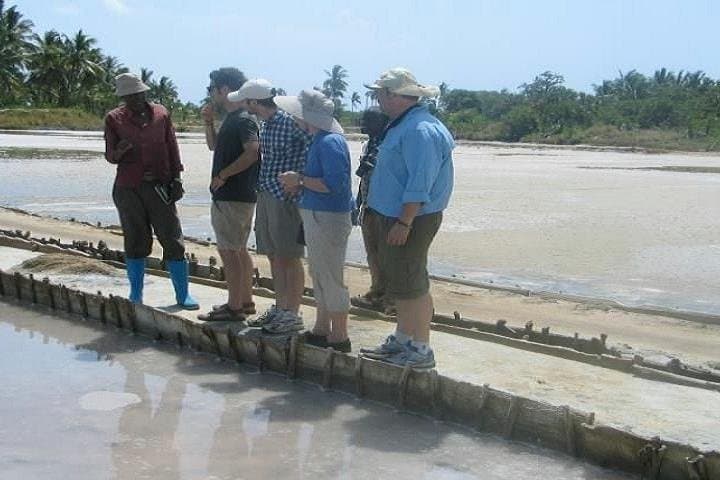
On a full-day tour you move from field to factory: planting patterns and fiber extraction in the plantation, then decortication, drying, grading, and packaging at the mill. Guides explain fiber qualities, quality control, and export logistics while you see old machinery alongside newer presses.
Practical guidance: wear sturdy closed-toe shoes and long sleeves to protect against sharp leaves and dust; carry 1–2 liters of water and sunscreen; expect moderate walking and some shaded stops for demonstrations. Bring cash for small artisan purchases and leave an empty camera battery — the processing lines and craft stalls are photogenic. Plan the visit in the morning to avoid the hottest part of the day and to catch workers mid-shift for better demonstrations.
easy.
8 hours.
Suitable for most fitness levels; requires standing, short walks on uneven ground, and climbing a few factory steps.
Yes; the tour is rated easy, with mostly flat walking and short standing periods. Notify the operator of mobility needs for pickup and drop-off arrangements.
Yes; the full-day tour visits the plantation and includes admission and demonstrations at the processing factory as part of the itinerary.
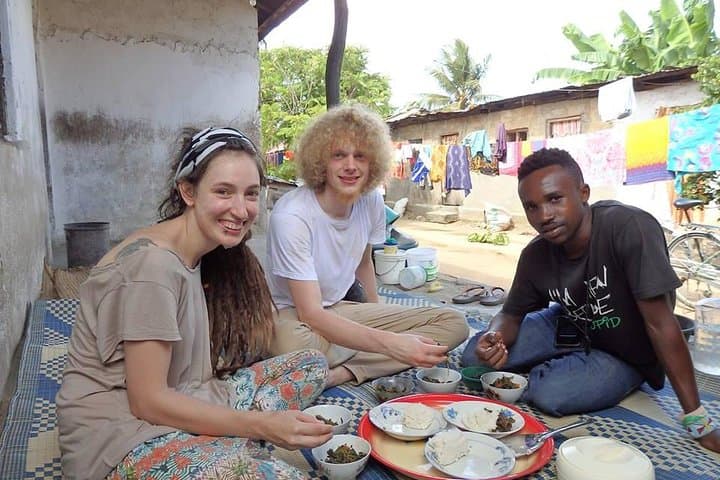
Small workshops and vendors typically sell ropes, mats, and baskets; bring local currency as card payment may not be accepted.
The tour is approximately 8 hours and usually includes pickup and drop-off in Tanga by air-conditioned vehicle; confirm your pickup point when booking.
Sisal was introduced to Tanganyika in 1893 and grew into Tanzania’s dominant export crop through the mid-20th century, shaping regional economies and settlements.
Modern operations balance production with soil management and community programs, but processing and mono-cropping can strain water and local biodiversity; support operators that practice waste reduction and local hiring.
Livan Cultural Tourism Enterprise-Tanzania operates guided outdoor trips and adventures with an emphasis on safety, stewardship, and memorable experiences.
You step out of the air-conditioned vehicle into a wide green plain where serrated agave leaves fan out like rows of disciplined soldiers. The plants smell faintly of green sap and earth; the breeze off the nearby Indian Ocean pushes across the fields, carrying the distant hum of machinery and the shout of workers sorting fibers.
You step out of the air-conditioned vehicle into a wide green plain where serrated agave leaves fan out like rows of disciplined soldiers. The plants smell faintly of green sap and earth; the breeze off the nearby Indian Ocean pushes across the fields, carrying the distant hum of machinery and the shout of workers sorting fibers.
The sisal story here runs more than a century. Introduced to Tanganyika in 1893 by German agronomist Dr. Richard Hindorf, sisal became Tanzania's global cash crop and a major employer through the mid-20th century. Geologically the region sits on coastal plains above ancient coral limestone; soils are sandy but drain well, ideal for agave. Culturally, sisal shaped local towns, work rhythms, and craft traditions — ropes, mats, and baskets still made by hand connect factory output to household life.
On a full-day tour you move from field to factory: planting patterns and fiber extraction in the plantation, then decortication, drying, grading, and packaging at the mill. Guides explain fiber qualities, quality control, and export logistics while you see old machinery alongside newer presses.
Practical guidance: wear sturdy closed-toe shoes and long sleeves to protect against sharp leaves and dust; carry 1–2 liters of water and sunscreen; expect moderate walking and some shaded stops for demonstrations. Bring cash for small artisan purchases and leave an empty camera battery — the processing lines and craft stalls are photogenic. Plan the visit in the morning to avoid the hottest part of the day and to catch workers mid-shift for better demonstrations.