THE ADVENTURE COLLECTIVE® · Independent discovery and booking for outdoor travel

A single long day that combines two UNESCO sites, a rural village visit with traditional lunch, a 4×4 safari to see large wild elephant gatherings, and a sunset hike on Pidurangala. Expect steep stairs, warm temperatures, and rich cultural context throughout.
A single long day that combines two UNESCO sites, a rural village visit with traditional lunch, a 4×4 safari to see large wild elephant gatherings, and a sunset hike on Pidurangala. Expect steep stairs, warm temperatures, and rich cultural context throughout.
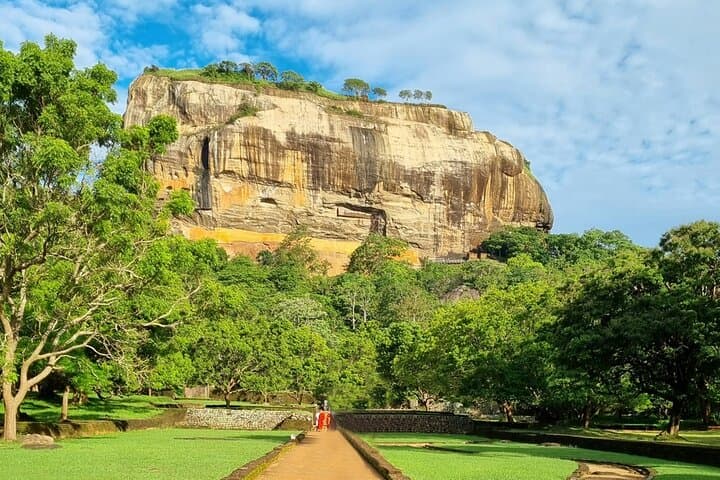
You arrive before dawn to a low, humid air that lifts off the rice paddies as the first light strikes rock faces. Sigiriya’s lion rock raises like a human-made mountain, its vertical walls cutting through the flat plains; nearby tanks and village lanes hum with morning life. The day moves from carved cave shrines to jungle plains, from a farmer’s mud kitchen to the dusty roar of a safari jeep.
Verified experiences and guided adventures in the surrounding area.
Operated by Lucky Lanka Expedition · Sigiriya, Central Province
You arrive before dawn to a low, humid air that lifts off the rice paddies as the first light strikes rock faces. Sigiriya’s lion rock raises like a human-made mountain, its vertical walls cutting through the flat plains; nearby tanks and village lanes hum with morning life. The day moves from carved cave shrines to jungle plains, from a farmer’s mud kitchen to the dusty roar of a safari jeep.
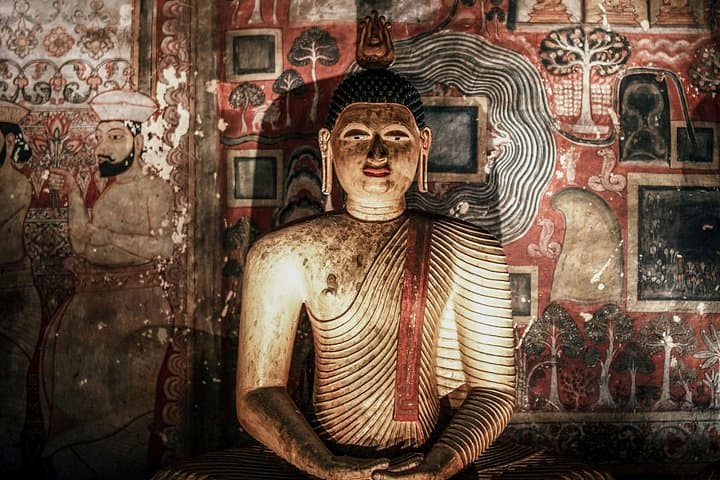
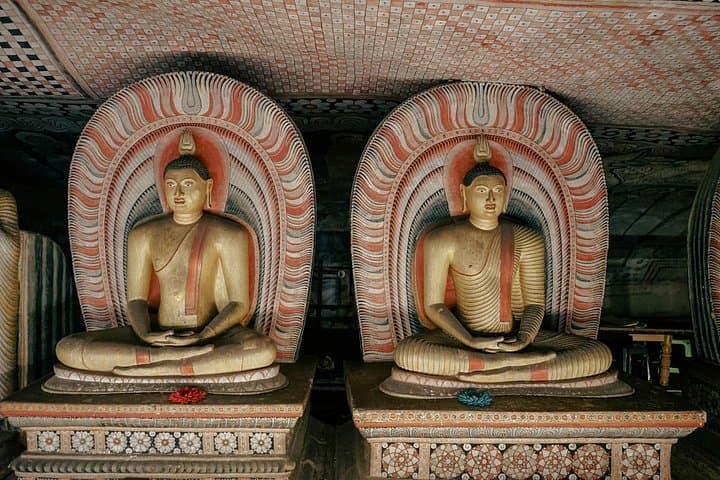
Dambulla’s cave temple complex preserves Buddhist murals and gilt Buddhas that date back more than a millennium, set in a band of volcanic-sedimentary rock that locals have used as shelter for centuries. Sigiriya, raised by King Kashyapa in the 5th century, is both fortified plateau and engineered garden—stairways and mirror walls atop Precambrian granite that give panoramic views of the Cultural Triangle. The rural stop at Hiriwadunna (or a nearby tank) showcases contemporary village rhythms: bullock carts, catamaran rides on shallow tanks, and a hands-on rice-and-curry lunch that connects food to the water systems that shaped local life.
Practically, the tour is a long day (10–12 hours) with steep stair sections—expect roughly 1,200 steps at Sigiriya—and uneven rock at Pidurangala for sunset or sunrise shots. Wear sturdy shoes, carry sun protection and 1–2 liters of water, and plan to move at a steady pace to conserve energy. On safari in Minneriya or Kaudulla, keep distance from elephants and follow the guide’s instructions; sightings are seasonal but often dramatic. This itinerary pairs cultural heritage with wildlife viewing and a slice of rural Sri Lankan life—ambitious, sensory, and rooted in the landscape’s geology and human history.
moderate.
10–12 hours.
Suitable for travelers with moderate fitness who can handle sustained walking, stairs, and short hikes on uneven terrain.
Expect about 1,200 steps and roughly 45–90 minutes depending on pace and stops for photos and frescoes.
Elephant sightings are common, especially in the dry season when animals gather at waterholes, but sightings cannot be guaranteed.
Yes—traditional Sri Lankan rice and curry menus can be prepared vegetarian; notify the tour operator when booking for dietary needs.
This tour is not recommended for travelers with spinal injuries or serious cardiovascular issues, and infants may be required to sit on laps in transport; confirm at booking.
Sigiriya was raised by King Kashyapa (477–495 AD) as a fortified palace complex and is noted for ancient hydraulic gardens; Dambulla’s cave temples preserve rock-cut Buddhist shrines dating back over a thousand years.
The area’s national parks manage seasonal elephant movements, and visitors are encouraged to minimize disturbance by staying in vehicles and following local guide rules to reduce human-wildlife conflict.
Lucky Lanka Expedition operates guided outdoor trips and adventures with an emphasis on safety, stewardship, and memorable experiences.
You arrive before dawn to a low, humid air that lifts off the rice paddies as the first light strikes rock faces. Sigiriya’s lion rock raises like a human-made mountain, its vertical walls cutting through the flat plains; nearby tanks and village lanes hum with morning life. The day moves from carved cave shrines to jungle plains, from a farmer’s mud kitchen to the dusty roar of a safari jeep.
You arrive before dawn to a low, humid air that lifts off the rice paddies as the first light strikes rock faces. Sigiriya’s lion rock raises like a human-made mountain, its vertical walls cutting through the flat plains; nearby tanks and village lanes hum with morning life. The day moves from carved cave shrines to jungle plains, from a farmer’s mud kitchen to the dusty roar of a safari jeep.
Dambulla’s cave temple complex preserves Buddhist murals and gilt Buddhas that date back more than a millennium, set in a band of volcanic-sedimentary rock that locals have used as shelter for centuries. Sigiriya, raised by King Kashyapa in the 5th century, is both fortified plateau and engineered garden—stairways and mirror walls atop Precambrian granite that give panoramic views of the Cultural Triangle. The rural stop at Hiriwadunna (or a nearby tank) showcases contemporary village rhythms: bullock carts, catamaran rides on shallow tanks, and a hands-on rice-and-curry lunch that connects food to the water systems that shaped local life.
Practically, the tour is a long day (10–12 hours) with steep stair sections—expect roughly 1,200 steps at Sigiriya—and uneven rock at Pidurangala for sunset or sunrise shots. Wear sturdy shoes, carry sun protection and 1–2 liters of water, and plan to move at a steady pace to conserve energy. On safari in Minneriya or Kaudulla, keep distance from elephants and follow the guide’s instructions; sightings are seasonal but often dramatic. This itinerary pairs cultural heritage with wildlife viewing and a slice of rural Sri Lankan life—ambitious, sensory, and rooted in the landscape’s geology and human history.