THE ADVENTURE COLLECTIVE® · Independent discovery and booking for outdoor travel

Climb the 5th-century stronghold of Sigiriya and step into the painted caves of Dambulla on a private, full-day tour. This guided trip pairs dramatic geology with centuries of Buddhist art—and practical logistics like hotel pickup and bottled water.
Climb the 5th-century stronghold of Sigiriya and step into the painted caves of Dambulla on a private, full-day tour. This guided trip pairs dramatic geology with centuries of Buddhist art—and practical logistics like hotel pickup and bottled water.
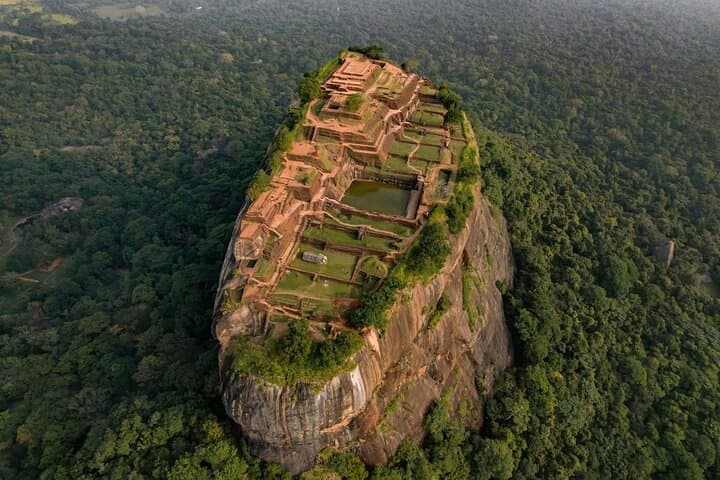
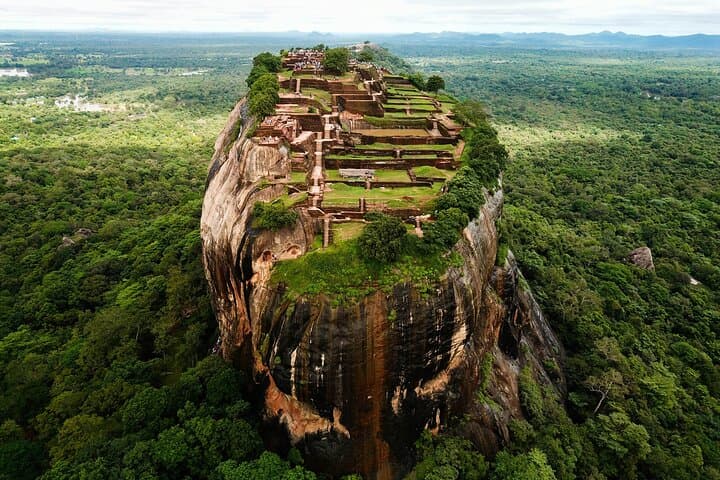
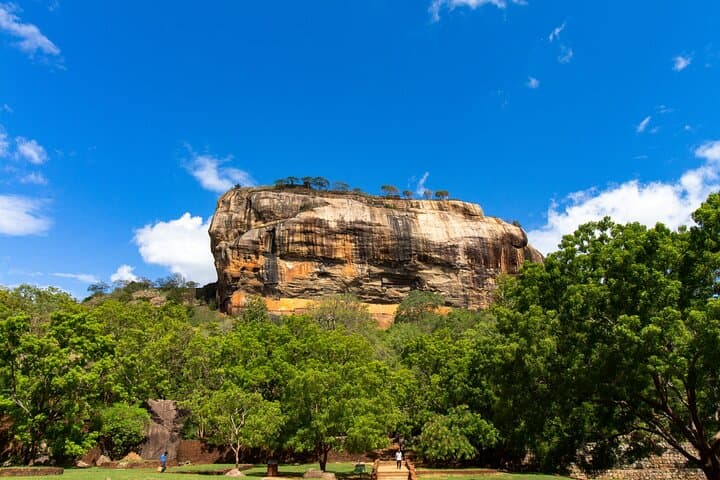
You arrive before the heat settles—an air-conditioned car threads through emerald paddy fields, palms rising like thin sentries against a bright Sri Lankan sky. The driver-guide drops the engine into a quiet hum while the outline of Sigiriya resolves from the humid air: a monolithic column of rock, nearly 200 meters high, rising abruptly from the flatlands. The day is a study in contrasts—cool cave shadows at Dambulla in the morning and the wind-exposed terraces and metal staircases of Sigiriya by midafternoon.
Verified experiences and guided adventures in the surrounding area.
Operated by Kandy Super Tours · Dambulla, Central Province
You arrive before the heat settles—an air-conditioned car threads through emerald paddy fields, palms rising like thin sentries against a bright Sri Lankan sky. The driver-guide drops the engine into a quiet hum while the outline of Sigiriya resolves from the humid air: a monolithic column of rock, nearly 200 meters high, rising abruptly from the flatlands. The day is a study in contrasts—cool cave shadows at Dambulla in the morning and the wind-exposed terraces and metal staircases of Sigiriya by midafternoon.
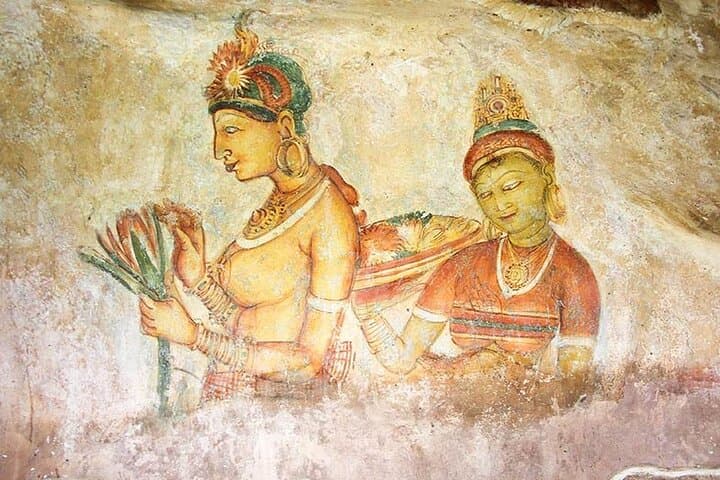
Sigiriya and Dambulla sit at the heart of Sri Lanka’s Cultural Triangle, a compact corridor of history where geology and human ambition collide. Sigiriya, often called Lion Rock, was crowned in the 5th century by King Kasyapa, who transformed this magma plug into a fortified royal citadel. Its terraces, mirror pools and water gardens still mark a sophisticated hydraulic landscape that predates much of medieval South Asia. A short drive away, the Dambulla Cave Temple—designated a UNESCO World Heritage Site—holds five main caves filled with Buddha statues, painted ceilings and a calm that has attracted pilgrims for centuries.
Geology is as important as history here: Sigiriya’s vertical face is the exposed core of an ancient volcanic throat, the kind of outcrop that forces a community to build vertically and think defensively. The Dambulla complex, set into a laterite outcrop, uses natural caves as sanctified chambers and preserves frescoes and imagery that span a millennium of devotion.
Practicalities shape the visit. This private, full-day tour runs roughly 8–12 hours—hotel pickup and drop-off in an air-conditioned vehicle are included, as is bottled water. Entrance fees to the archaeological sites are not included, so carry local currency or use a card where accepted. Expect steep stairways at Sigiriya: the climb involves metal and stone steps, narrow passageways and occasional queues at the fresco and mirror-wall sections; plan for roughly 1,000–1,200 steps round-trip depending on your route. Dambulla requires modest dress—shoulders and knees covered—and soft-soled shoes for temple interiors.
Timing matters: start early to enjoy Dambulla’s cool caves and aim to climb Sigiriya in mid-morning or late afternoon to avoid the harshest sun and the bulk of tour groups. Wear breathable layers, bring sun protection, and keep mosquito repellent handy for the lowland approaches. If you have time, ask your guide about Pidurangala Rock for a quieter sunrise vantage of Sigiriya or a short detour to a local spice garden to taste the agricultural landscape that supports these monuments. The tour is balanced: part archaeology lesson, part physical effort, and entirely atmospheric—an efficient way to experience two of Sri Lanka’s most durable encounters between people and place.
moderate.
8–12 hours.
Moderate fitness—comfortable with long walks, stair climbs and short bursts on steep steps.
No—entrance fees for Sigiriya and Dambulla are not included in the tour price; bring cash or a card to purchase tickets on-site or ask your operator to arrange tickets in advance.
Expect about 1–1.5 hours round-trip depending on your pace and how long you linger at viewpoints; stairs are steep in places but well-maintained with handrails.
Many families and older travelers do the tour, but the Sigiriya climb requires stair negotiation; consider skipping the full ascent if mobility is limited—your guide can advise alternative viewpoints.
Modest clothing is required—cover shoulders and knees. Remove shoes and hats inside temple caves; bring a scarf or sarong if you need extra coverage.
While the tour focuses on cultural sites, monkeys are common around Sigiriya and elephants can be spotted seasonally in nearby Minneriya/Kaudulla reserves—ask your guide about optional detours.
Photography is permitted in many outdoor areas; inside certain cave sanctums, flash photography may be restricted—obey signage and temple attendants.
Sigiriya was transformed into a fortified royal capital by King Kasyapa in the 5th century CE; Dambulla’s caves have served Buddhist worshippers since at least the 1st century BCE.
Both sites are managed as protected cultural landscapes—stay on marked paths, avoid touching frescoes, and support local guides who follow conservation guidelines.
Kandy Super Tours operates guided outdoor trips and adventures with an emphasis on safety, stewardship, and memorable experiences.
You arrive before the heat settles—an air-conditioned car threads through emerald paddy fields, palms rising like thin sentries against a bright Sri Lankan sky. The driver-guide drops the engine into a quiet hum while the outline of Sigiriya resolves from the humid air: a monolithic column of rock, nearly 200 meters high, rising abruptly from the flatlands. The day is a study in contrasts—cool cave shadows at Dambulla in the morning and the wind-exposed terraces and metal staircases of Sigiriya by midafternoon.
You arrive before the heat settles—an air-conditioned car threads through emerald paddy fields, palms rising like thin sentries against a bright Sri Lankan sky. The driver-guide drops the engine into a quiet hum while the outline of Sigiriya resolves from the humid air: a monolithic column of rock, nearly 200 meters high, rising abruptly from the flatlands. The day is a study in contrasts—cool cave shadows at Dambulla in the morning and the wind-exposed terraces and metal staircases of Sigiriya by midafternoon.
Sigiriya and Dambulla sit at the heart of Sri Lanka’s Cultural Triangle, a compact corridor of history where geology and human ambition collide. Sigiriya, often called Lion Rock, was crowned in the 5th century by King Kasyapa, who transformed this magma plug into a fortified royal citadel. Its terraces, mirror pools and water gardens still mark a sophisticated hydraulic landscape that predates much of medieval South Asia. A short drive away, the Dambulla Cave Temple—designated a UNESCO World Heritage Site—holds five main caves filled with Buddha statues, painted ceilings and a calm that has attracted pilgrims for centuries.
Geology is as important as history here: Sigiriya’s vertical face is the exposed core of an ancient volcanic throat, the kind of outcrop that forces a community to build vertically and think defensively. The Dambulla complex, set into a laterite outcrop, uses natural caves as sanctified chambers and preserves frescoes and imagery that span a millennium of devotion.
Practicalities shape the visit. This private, full-day tour runs roughly 8–12 hours—hotel pickup and drop-off in an air-conditioned vehicle are included, as is bottled water. Entrance fees to the archaeological sites are not included, so carry local currency or use a card where accepted. Expect steep stairways at Sigiriya: the climb involves metal and stone steps, narrow passageways and occasional queues at the fresco and mirror-wall sections; plan for roughly 1,000–1,200 steps round-trip depending on your route. Dambulla requires modest dress—shoulders and knees covered—and soft-soled shoes for temple interiors.
Timing matters: start early to enjoy Dambulla’s cool caves and aim to climb Sigiriya in mid-morning or late afternoon to avoid the harshest sun and the bulk of tour groups. Wear breathable layers, bring sun protection, and keep mosquito repellent handy for the lowland approaches. If you have time, ask your guide about Pidurangala Rock for a quieter sunrise vantage of Sigiriya or a short detour to a local spice garden to taste the agricultural landscape that supports these monuments. The tour is balanced: part archaeology lesson, part physical effort, and entirely atmospheric—an efficient way to experience two of Sri Lanka’s most durable encounters between people and place.