THE ADVENTURE COLLECTIVE® · Independent discovery and booking for outdoor travel

Spend a full day exploring Addis Ababa’s highlights: panoramic Entoto hill views, the National Museum (home of Lucy), bustling Mercato and historic churches — with lunch and a local guide included. This practical city tour pairs culture, archaeology and hands‑on market experiences.
Spend a full day exploring Addis Ababa’s highlights: panoramic Entoto hill views, the National Museum (home of Lucy), bustling Mercato and historic churches — with lunch and a local guide included. This practical city tour pairs culture, archaeology and hands‑on market experiences.
You step out of the air‑conditioned van into a bright, eucalyptus-scented breeze on Entoto hill — the city falls away in a patchwork of corrugated roofs and sunlit streets. The day moves from elevated panoramas to the hush of museums, then into the organized chaos of Mercato, where spices and textiles call for a closer look.
Verified experiences and guided adventures in the surrounding area.
Operated by Daily Addis Tours · Addis Ababa, Addis Ababa
You step out of the air‑conditioned van into a bright, eucalyptus-scented breeze on Entoto hill — the city falls away in a patchwork of corrugated roofs and sunlit streets. The day moves from elevated panoramas to the hush of museums, then into the organized chaos of Mercato, where spices and textiles call for a closer look.
Addis Ababa was established as a capital by Menelik II in the late 19th century; its streets carry layers of imperial, ecclesiastical and modern history. The National Museum houses Lucy, a 3.2‑million‑year‑old Australopithecus find that anchors Ethiopia’s deep archaeological significance. St. George Cathedral and its museum showcase religious art and the legacy of Haile Selassie, while Meskel Square is a civic stage for festivals like Meskel every September.
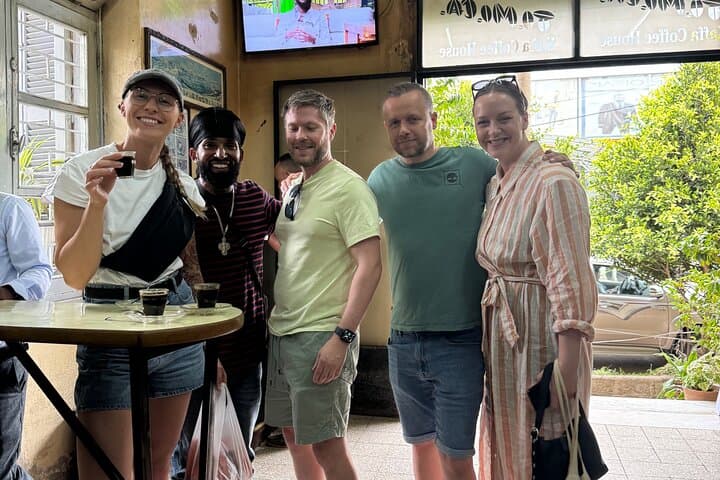
Geologically the city sits on the Ethiopian Highlands, and Entoto’s eucalyptus slopes offer sharp air and sweeping views that contrast with the dense, human-made topography of Mercato — Africa’s largest open-air market. Tomoca coffee in Piazza offers a short, aromatic pause; Shiro Meda markets reveal handwoven cotton and local craft traditions.
Practical guidance: expect about 7–8 hours on a shared tour with moderate walking, some steps and crowded market lanes. Bring cash (ETB) for small purchases, a modest dress for churches, a refillable water bottle and comfortable shoes. Morning light is best for views on Entoto and quieter museum visits; save bargaining and souvenir hunting for mid‑day. Respect religious sites, watch personal belongings in busy market zones, and factor in Addis’s elevation — take it steady the first day.
easy.
7–8 hours.
Light to moderate walking ability; comfortable on stairs and crowded streets.
Yes — this tour includes admission to the National Museum and Saint George Cathedral museum; Entoto park entrance may be extra if you choose to enter.
Yes — the tour offers door-to-door pickup and returns within Addis Ababa; confirm pickup details at booking.
Lunch at a traditional Addis Ababa restaurant is included; notify the operator about dietary restrictions during booking.
The tour is family-friendly but involves walking and some steps; travelers with significant mobility limitations should check specific pickup and access arrangements in advance.
Addis Ababa was founded by Emperor Menelik II in the 1880s; the city grew around imperial palaces, churches and trade routes, and now hosts Ethiopia’s national museums and civic squares.
Visitors should minimize plastic waste in markets, support local artisans directly and follow signage at cultural sites to protect fragile artifacts and church interiors.
Daily Addis Tours operates guided outdoor trips and adventures with an emphasis on safety, stewardship, and memorable experiences.
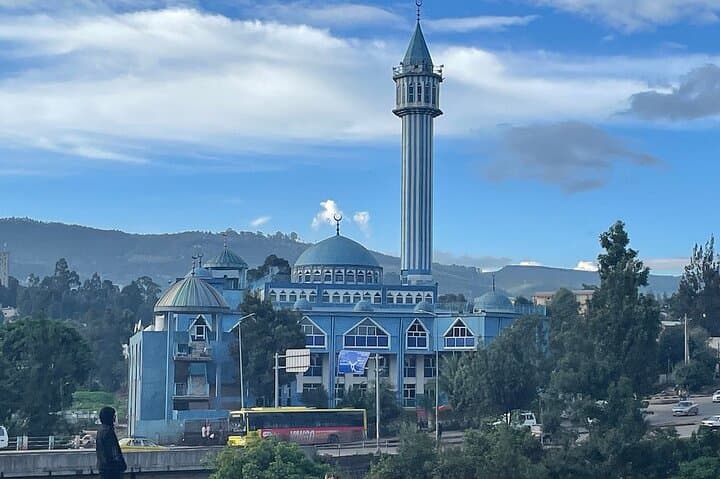


You step out of the air‑conditioned van into a bright, eucalyptus-scented breeze on Entoto hill — the city falls away in a patchwork of corrugated roofs and sunlit streets. The day moves from elevated panoramas to the hush of museums, then into the organized chaos of Mercato, where spices and textiles call for a closer look.
You step out of the air‑conditioned van into a bright, eucalyptus-scented breeze on Entoto hill — the city falls away in a patchwork of corrugated roofs and sunlit streets. The day moves from elevated panoramas to the hush of museums, then into the organized chaos of Mercato, where spices and textiles call for a closer look.
Addis Ababa was established as a capital by Menelik II in the late 19th century; its streets carry layers of imperial, ecclesiastical and modern history. The National Museum houses Lucy, a 3.2‑million‑year‑old Australopithecus find that anchors Ethiopia’s deep archaeological significance. St. George Cathedral and its museum showcase religious art and the legacy of Haile Selassie, while Meskel Square is a civic stage for festivals like Meskel every September.
Geologically the city sits on the Ethiopian Highlands, and Entoto’s eucalyptus slopes offer sharp air and sweeping views that contrast with the dense, human-made topography of Mercato — Africa’s largest open-air market. Tomoca coffee in Piazza offers a short, aromatic pause; Shiro Meda markets reveal handwoven cotton and local craft traditions.
Practical guidance: expect about 7–8 hours on a shared tour with moderate walking, some steps and crowded market lanes. Bring cash (ETB) for small purchases, a modest dress for churches, a refillable water bottle and comfortable shoes. Morning light is best for views on Entoto and quieter museum visits; save bargaining and souvenir hunting for mid‑day. Respect religious sites, watch personal belongings in busy market zones, and factor in Addis’s elevation — take it steady the first day.