THE ADVENTURE COLLECTIVE® · Independent discovery and booking for outdoor travel

Venture east of Siem Reap to explore Beng Mealea’s collapsed galleries and Koh Ker’s lone pyramids. This full-day tour pairs rugged archaeology with local insights—ideal for history lovers who don’t mind a bit of dust.
Venture east of Siem Reap to explore Beng Mealea’s collapsed galleries and Koh Ker’s lone pyramids. This full-day tour pairs rugged archaeology with local insights—ideal for history lovers who don’t mind a bit of dust.
You step out of Siem Reap’s hum of tuk-tuks and, after an hour on the road, the landscape opens into a different Cambodia: dusty red earth, squat palms, and temple stones that push up through the scrub like memory.
Verified experiences and guided adventures in the surrounding area.
Operated by Buffalo Angkor · Siem Reap, Siem Reap Province
You step out of Siem Reap’s hum of tuk-tuks and, after an hour on the road, the landscape opens into a different Cambodia: dusty red earth, squat palms, and temple stones that push up through the scrub like memory.
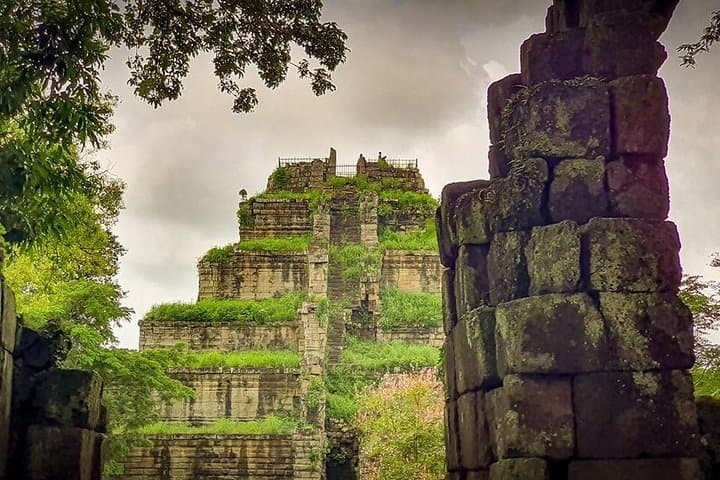
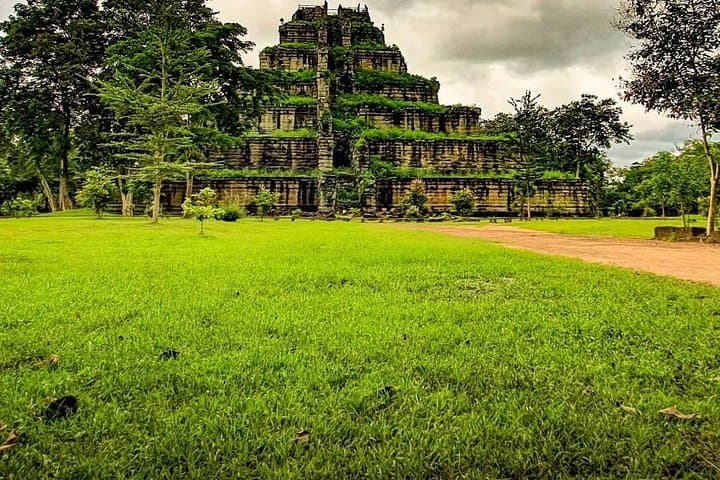
Beng Mealea arrives first—wide galleries, toppled pillars and a maze of fallen blocks where fig roots tug at carved lintels. The complex sits on the ancient royal highway and reads like the Angkor period left an unfinished sentence: bas-reliefs half-buried, corridors that dare you to explore. Later, Koh Ker unfolds as a very different monumental language—brick towers, the seven-tiered pyramid at Prasat Thom and solitary laterite foundations that mark a tenth-century capital briefly crowned.
Geology here is all laterite and sandstone, surfaces softened by monsoon cycles and the slow work of roots. Culturally, Koh Ker was a short-lived Khmer capital (c. 921–944 CE), and the sites still show inscriptions and ornate lintels that tell of shifting power and ritual practice.
Practical guidance: the day is long—expect uneven ground, short climbs and open sun. Bring Cambodian riel or dollars for entrance fees and village stalls; cafes near the temples are basic. Wear sturdy shoes, sun protection and a small daypack with water; guides from Apsara-trained interpreters will orient you to the iconography and history.
Travel timing matters—early starts beat the heat and offer cleaner light for photography. Respect fragile carvings, stick to paths where instructed, and leave extra time to simply sit on a fallen block and let the place settle its stories around you.
moderate.
9 hours.
Light-to-moderate fitness: able to walk 2–4 miles over uneven terrain and short stair climbs throughout the day
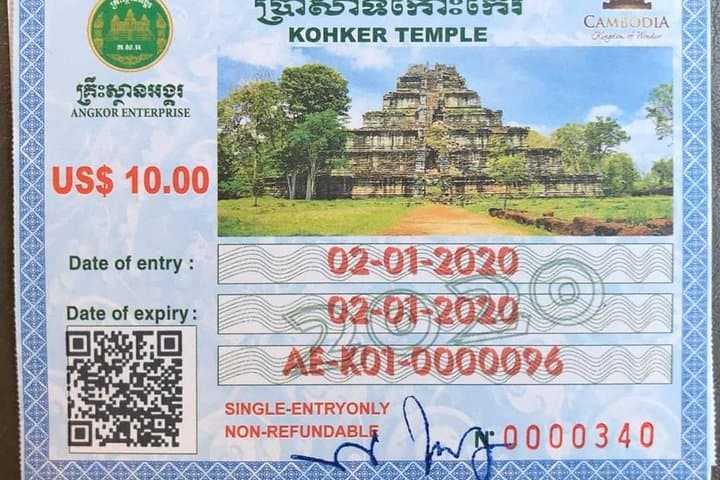
Admission is typically not included; bring cash (USD widely accepted) to pay site fees—confirm with the operator before departure.
Expect several short climbs, uneven ground and walking across temples for 1–3 hours total during stops; the tour is labelled suitable for most fitness levels.
Some areas have uneven ground and steps; while vehicles are wheelchair-accessible and some zones are reachable, many ruins require mobility to fully explore.
You can bring a packed lunch or buy basic food at cafés near the temples; these options are simple — bring snacks if you prefer more variety.
Koh Ker briefly served as Khmer capital in the early 10th century under King Jayavarman IV; Beng Mealea was built in the Angkor period and sits along an old royal route.
Visitor pressure and erosion threaten delicate lintels and carvings—stay on marked paths, avoid touching reliefs, and support local guides who work on preservation initiatives.
Buffalo Angkor operates guided outdoor trips and adventures with an emphasis on safety, stewardship, and memorable experiences.
You step out of Siem Reap’s hum of tuk-tuks and, after an hour on the road, the landscape opens into a different Cambodia: dusty red earth, squat palms, and temple stones that push up through the scrub like memory.
You step out of Siem Reap’s hum of tuk-tuks and, after an hour on the road, the landscape opens into a different Cambodia: dusty red earth, squat palms, and temple stones that push up through the scrub like memory.
Beng Mealea arrives first—wide galleries, toppled pillars and a maze of fallen blocks where fig roots tug at carved lintels. The complex sits on the ancient royal highway and reads like the Angkor period left an unfinished sentence: bas-reliefs half-buried, corridors that dare you to explore. Later, Koh Ker unfolds as a very different monumental language—brick towers, the seven-tiered pyramid at Prasat Thom and solitary laterite foundations that mark a tenth-century capital briefly crowned.
Geology here is all laterite and sandstone, surfaces softened by monsoon cycles and the slow work of roots. Culturally, Koh Ker was a short-lived Khmer capital (c. 921–944 CE), and the sites still show inscriptions and ornate lintels that tell of shifting power and ritual practice.
Practical guidance: the day is long—expect uneven ground, short climbs and open sun. Bring Cambodian riel or dollars for entrance fees and village stalls; cafes near the temples are basic. Wear sturdy shoes, sun protection and a small daypack with water; guides from Apsara-trained interpreters will orient you to the iconography and history.
Travel timing matters—early starts beat the heat and offer cleaner light for photography. Respect fragile carvings, stick to paths where instructed, and leave extra time to simply sit on a fallen block and let the place settle its stories around you.