THE ADVENTURE COLLECTIVE® · Independent discovery and booking for outdoor travel

A private full-day loop from Baku through Shamakhi to Lahij that pairs cliffside mausoleums and ancient mosques with live copper-working and mountain scenery. Practical for travelers who want history, local craft, and steady walking rather than technical hiking.
A private full-day loop from Baku through Shamakhi to Lahij that pairs cliffside mausoleums and ancient mosques with live copper-working and mountain scenery. Practical for travelers who want history, local craft, and steady walking rather than technical hiking.
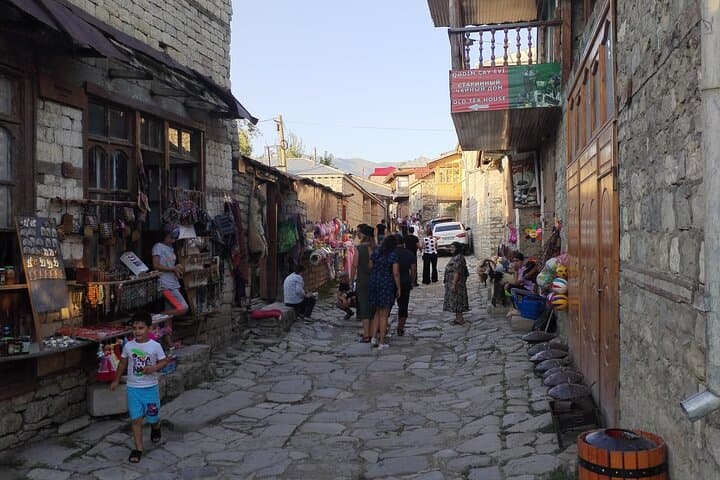
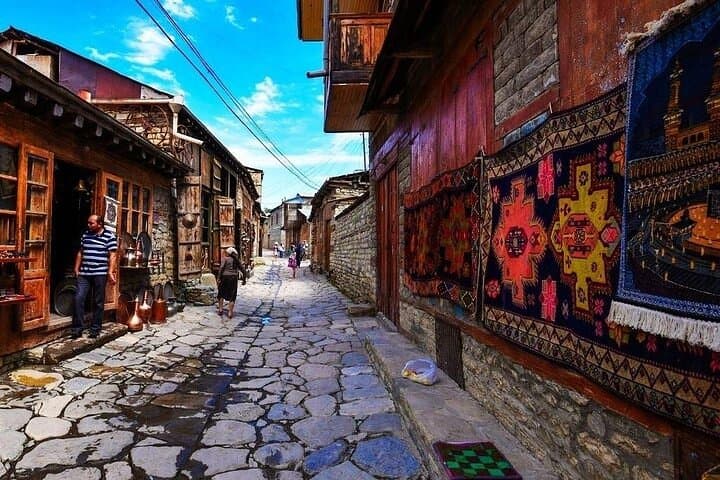
You step out of the car onto sun-warmed limestone and the wind from the Caucasus tugs at your jacket, as if urging you to look up. The Diri Baba mausoleum perches half in shadow, half in cliff, a two-story white stone puzzle cut into the rock. Later the Juma Mosque’s carpets welcome quiet footsteps while Lahij’s narrow alleys ring with the steady hammer of copper smiths shaping metal as they have for centuries.
Verified experiences and guided adventures in the surrounding area.
Operated by VLA_tourism · Shamakhi, Shamakhi Rayon
You step out of the car onto sun-warmed limestone and the wind from the Caucasus tugs at your jacket, as if urging you to look up. The Diri Baba mausoleum perches half in shadow, half in cliff, a two-story white stone puzzle cut into the rock. Later the Juma Mosque’s carpets welcome quiet footsteps while Lahij’s narrow alleys ring with the steady hammer of copper smiths shaping metal as they have for centuries.
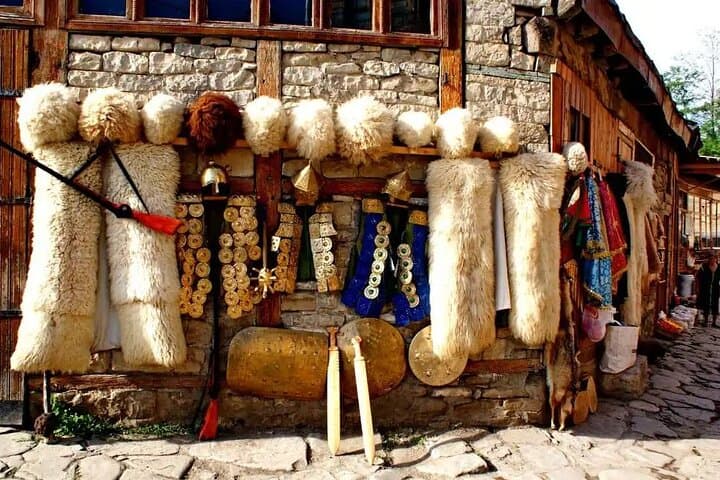
This single-day loop follows old arteries of the Great Silk Road — Shamakhi once served as a regional capital and crossroads where Persian, Turkic and Caucasian influences converged. Diri Baba (15th century) and the Juma Mosque (original site dates to the 8th century) illustrate seismic histories: earthquakes reshaped local architecture, and communities adapted by building lighter, flexible structures. Geologically, you’ll see limestone cliffs and river-cut canyons; culturally, you’ll trace copperwork and carpet weaving traditions preserved in Lahij.
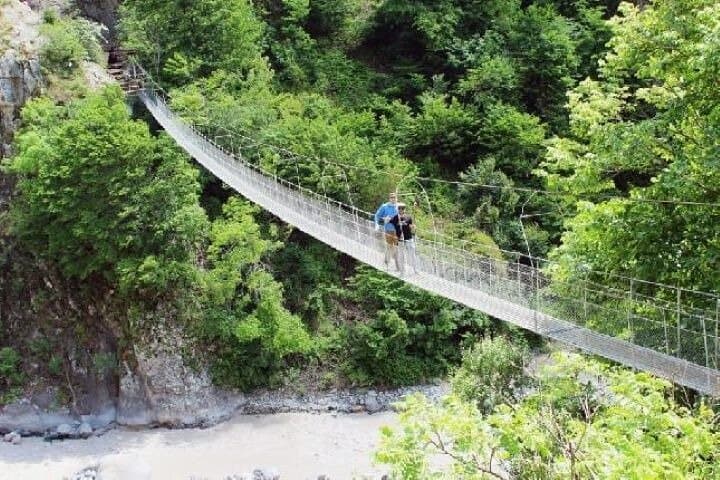
Expect 9–12 hours on the road with several short walks and guided stops: a 30-minute visit inside Diri Baba (admission ~USD 6), a half-hour at Juma Mosque (observe head-cover rules), a look at Yeddi Gumbaz, a brief photo stop at Zernava suspension bridge, and 90+ minutes exploring Lahij’s workshops.
Practical edge: bring sturdy walking shoes, sun protection, small-denomination cash for small museums and crafts, and a light layer for higher elevations. The day rewards curiosity — ask to see a live copper pour — and patience: roads are scenic but winding.
moderate.
9–12 hours.
Moderate fitness: able to walk short uneven trails and tolerate several hours in a vehicle.
Admission is not included in the itinerary; the stated price is approximately USD 6 per person payable on site.
Yes — the tour includes hotel pickup and drop-off; confirm pickup time and location when booking.
Women may enter if their heads are covered; most mosque entrances provide free headscarves to borrow at no charge.
Walking is limited to short on-site explorations (10–30 minutes each) and light stair/cliffside paths; you should be comfortable with brief uneven surfaces.
Shamakhi has been a regional center since at least the early medieval period and was an important node on Silk Road routes; Lahij’s metalwork tradition dates back many centuries and its craftsmanship persists today.
Support local artisans by buying directly from workshops, avoid single-use plastics during road stops, and follow paths to limit erosion around fragile mausoleum sites.
VLA_tourism operates guided outdoor trips and adventures with an emphasis on safety, stewardship, and memorable experiences.
You step out of the car onto sun-warmed limestone and the wind from the Caucasus tugs at your jacket, as if urging you to look up. The Diri Baba mausoleum perches half in shadow, half in cliff, a two-story white stone puzzle cut into the rock. Later the Juma Mosque’s carpets welcome quiet footsteps while Lahij’s narrow alleys ring with the steady hammer of copper smiths shaping metal as they have for centuries.
You step out of the car onto sun-warmed limestone and the wind from the Caucasus tugs at your jacket, as if urging you to look up. The Diri Baba mausoleum perches half in shadow, half in cliff, a two-story white stone puzzle cut into the rock. Later the Juma Mosque’s carpets welcome quiet footsteps while Lahij’s narrow alleys ring with the steady hammer of copper smiths shaping metal as they have for centuries.
This single-day loop follows old arteries of the Great Silk Road — Shamakhi once served as a regional capital and crossroads where Persian, Turkic and Caucasian influences converged. Diri Baba (15th century) and the Juma Mosque (original site dates to the 8th century) illustrate seismic histories: earthquakes reshaped local architecture, and communities adapted by building lighter, flexible structures. Geologically, you’ll see limestone cliffs and river-cut canyons; culturally, you’ll trace copperwork and carpet weaving traditions preserved in Lahij.
Expect 9–12 hours on the road with several short walks and guided stops: a 30-minute visit inside Diri Baba (admission ~USD 6), a half-hour at Juma Mosque (observe head-cover rules), a look at Yeddi Gumbaz, a brief photo stop at Zernava suspension bridge, and 90+ minutes exploring Lahij’s workshops.
Practical edge: bring sturdy walking shoes, sun protection, small-denomination cash for small museums and crafts, and a light layer for higher elevations. The day rewards curiosity — ask to see a live copper pour — and patience: roads are scenic but winding.