THE ADVENTURE COLLECTIVE® · Independent discovery and booking for outdoor travel

Drive from Chengdu to Leshan for a self-guided day among cliff-carved stairs, rivers that test the cliff’s calm, and the 8th-century Leshan Giant Buddha. This practical guide covers history, timing, and what to pack for the climb.
Drive from Chengdu to Leshan for a self-guided day among cliff-carved stairs, rivers that test the cliff’s calm, and the 8th-century Leshan Giant Buddha. This practical guide covers history, timing, and what to pack for the climb.
You pull away from Chengdu as morning light softens the Sichuan Basin, windows fogging slightly as the highway unwinds 150 km south. After about 2.5 hours the city gives way to low hills and the three rivers that meet beneath Leshan come into view, daring the cliff face to hold its secret. The Giant Buddha sits carved into Lingyun Shan, a hulking presence whose shoulders and knees frame the river scene below.
Verified experiences and guided adventures in the surrounding area.
Operated by happychinatours · Leshan, Sichuan
You pull away from Chengdu as morning light softens the Sichuan Basin, windows fogging slightly as the highway unwinds 150 km south. After about 2.5 hours the city gives way to low hills and the three rivers that meet beneath Leshan come into view, daring the cliff face to hold its secret. The Giant Buddha sits carved into Lingyun Shan, a hulking presence whose shoulders and knees frame the river scene below.
Carved in the 8th century during the Tang dynasty, the statue was cut directly from red-brown sandstone to calm the turbulent currents where the Min, Dadu and Qingyi converge. Stairs hewn into the cliff let visitors climb from the Buddha’s feet to the crown, each viewpoint reframing the statue’s scale against riverboats and the town beneath. Nearby Lingyun Temple and a compact museum house relics and records that trace the site's religious and civic role through centuries of pilgrimage and flood-control engineering.
Practically speaking: this is a self-guided day trip with private transport but no admission included. Expect steep, uneven stone steps and several viewpoints that reward patience with sweepingly different angles. Bring water, a light layer for river breezes, and a charged phone with a translation app — ticket booths and small restaurants may have limited English. Aim for early arrival or late afternoon to avoid peak crowds and midday heat; bad weather can affect riverside access. Mobility issues, pregnancy, or serious heart/back conditions make the climb inadvisable. With straightforward logistics and dramatic payoff, the Leshan visit is a compact cultural hike that pairs history, geology and riverine drama in a single day.
moderate.
8 hours.
Moderate fitness: able to walk and climb multiple flights of steep stone steps and stand for extended viewpoints.
No — this self-guided package provides private transport and driver; entrance fees and guide services are typically paid at the site.
Expect about 2.5 hours each way (roughly 150 km), depending on traffic; plan for an 8-hour total day including on-site time.
Yes — viewing the Buddha from the head requires climbing a series of carved stone stairs and terraces; the path is steep but well used.
Accessibility is limited—steep stairs and uneven paths make it difficult for those with limited mobility; consult the operator if you need special assistance.
Carved during the Tang dynasty (8th century) by monks and craftsmen, the statue doubled as a spiritual icon and community river-control effort to reduce dangerous currents.
High visitor numbers stress the sandstone and surrounding ecosystem; follow pathways, avoid touching carved surfaces, and dispose of waste to protect the site.
happychinatours operates guided outdoor trips and adventures with an emphasis on safety, stewardship, and memorable experiences.
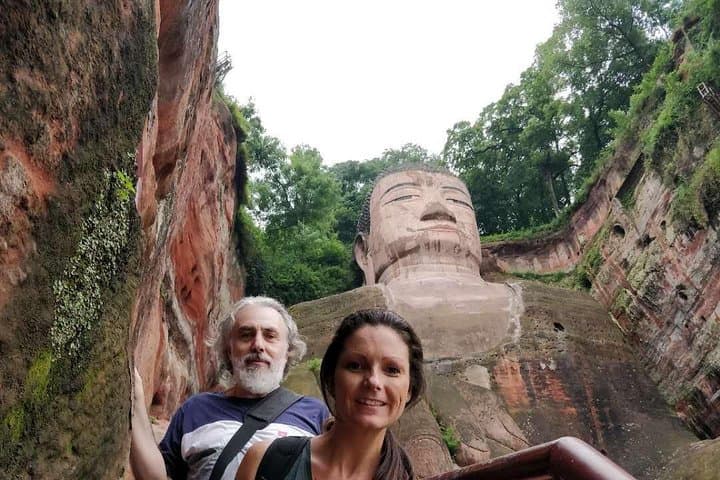
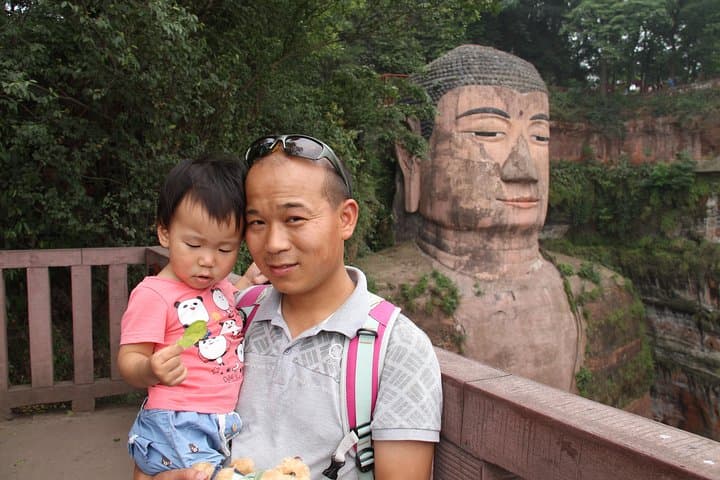
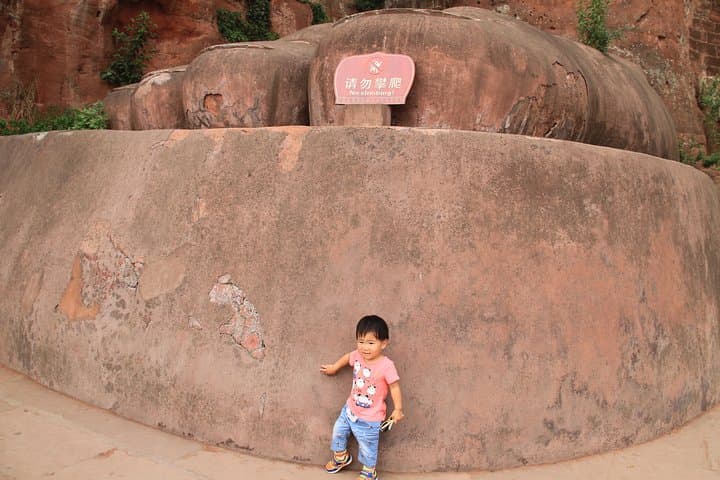
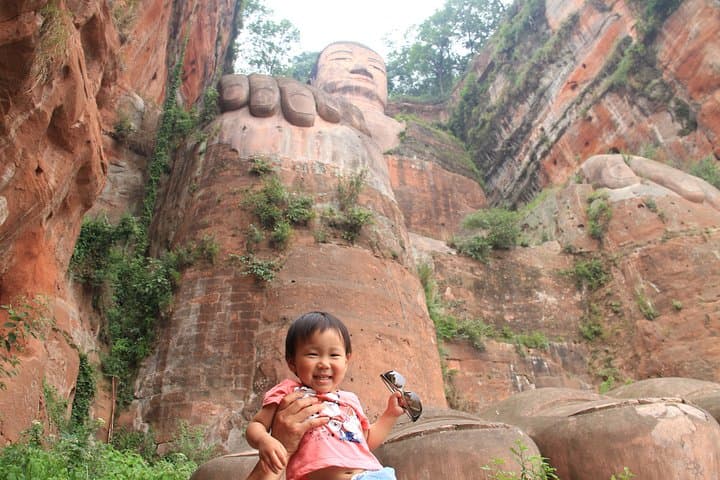
You pull away from Chengdu as morning light softens the Sichuan Basin, windows fogging slightly as the highway unwinds 150 km south. After about 2.5 hours the city gives way to low hills and the three rivers that meet beneath Leshan come into view, daring the cliff face to hold its secret. The Giant Buddha sits carved into Lingyun Shan, a hulking presence whose shoulders and knees frame the river scene below.
You pull away from Chengdu as morning light softens the Sichuan Basin, windows fogging slightly as the highway unwinds 150 km south. After about 2.5 hours the city gives way to low hills and the three rivers that meet beneath Leshan come into view, daring the cliff face to hold its secret. The Giant Buddha sits carved into Lingyun Shan, a hulking presence whose shoulders and knees frame the river scene below.
Carved in the 8th century during the Tang dynasty, the statue was cut directly from red-brown sandstone to calm the turbulent currents where the Min, Dadu and Qingyi converge. Stairs hewn into the cliff let visitors climb from the Buddha’s feet to the crown, each viewpoint reframing the statue’s scale against riverboats and the town beneath. Nearby Lingyun Temple and a compact museum house relics and records that trace the site's religious and civic role through centuries of pilgrimage and flood-control engineering.
Practically speaking: this is a self-guided day trip with private transport but no admission included. Expect steep, uneven stone steps and several viewpoints that reward patience with sweepingly different angles. Bring water, a light layer for river breezes, and a charged phone with a translation app — ticket booths and small restaurants may have limited English. Aim for early arrival or late afternoon to avoid peak crowds and midday heat; bad weather can affect riverside access. Mobility issues, pregnancy, or serious heart/back conditions make the climb inadvisable. With straightforward logistics and dramatic payoff, the Leshan visit is a compact cultural hike that pairs history, geology and riverine drama in a single day.