THE ADVENTURE COLLECTIVE® · Independent discovery and booking for outdoor travel

Trade Madrid’s bustle for two UNESCO cities in one day. This guided bus tour pairs Segovia’s Roman aqueduct and fairytale Alcázar with Ávila’s intact medieval walls—ideal for history lovers who want a compact, guided cultural day trip.
Trade Madrid’s bustle for two UNESCO cities in one day. This guided bus tour pairs Segovia’s Roman aqueduct and fairytale Alcázar with Ávila’s intact medieval walls—ideal for history lovers who want a compact, guided cultural day trip.
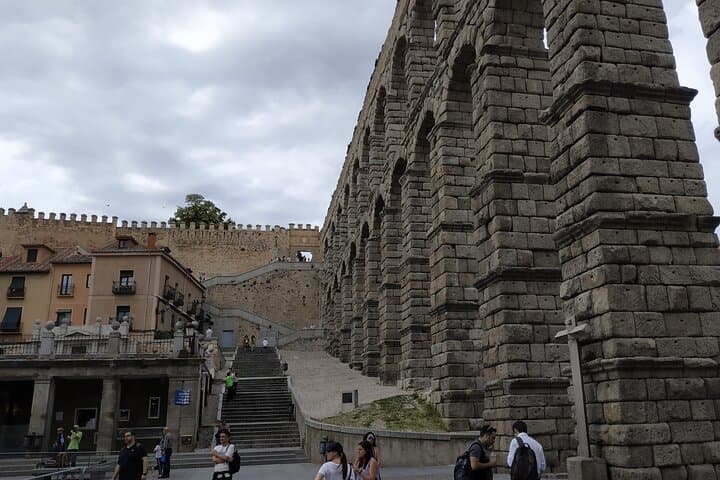
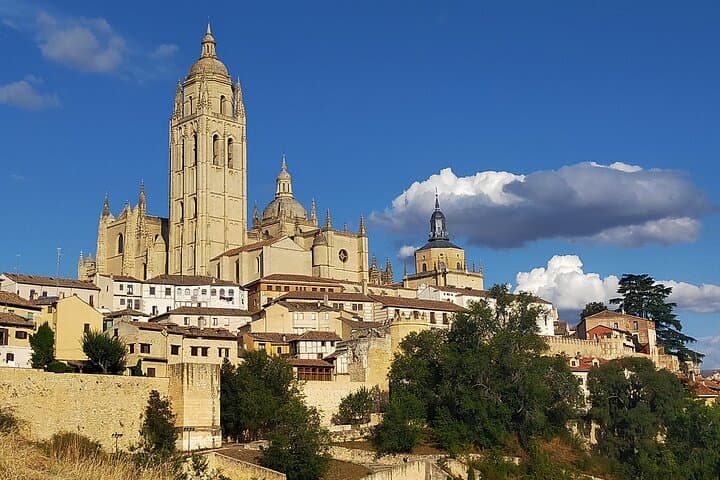
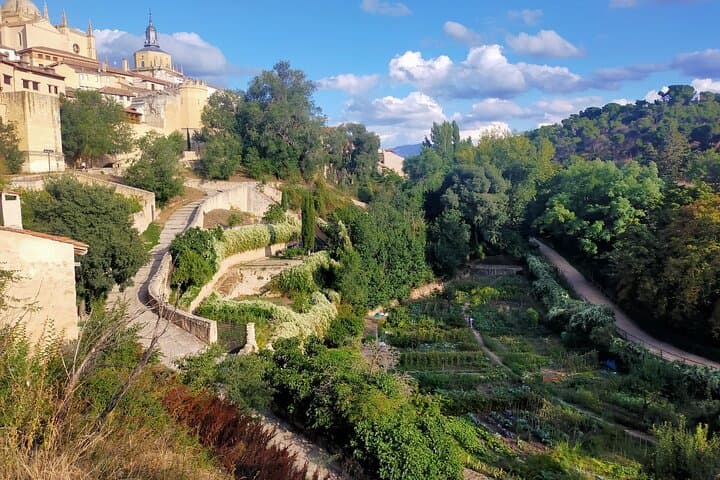
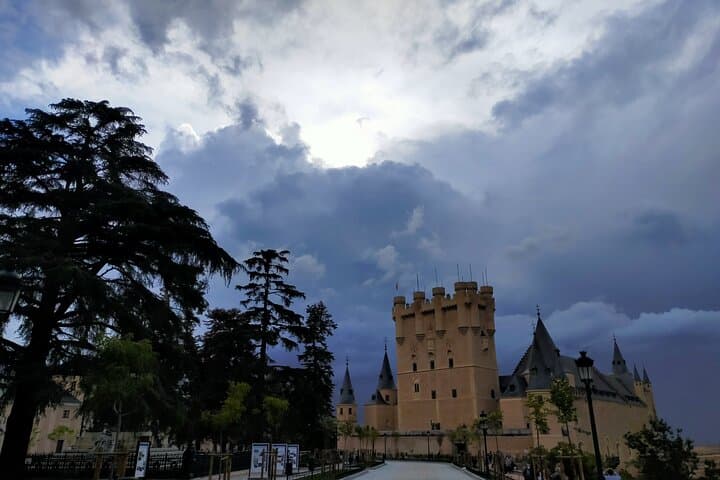
A morning bus pulls out of Madrid and the city grid softens into open Castilian plains; stone churches and low hills stitch the horizon as you approach Segovia. The aqueduct appears first—granite arches cutting a clean silhouette against blue—then narrow streets funnel you toward the Alcázar, a castle that reads like a medieval ship perched above the river.
Verified experiences and guided adventures in the surrounding area.
Operated by Travel Tours Experience · Segovia, Castile and León
A morning bus pulls out of Madrid and the city grid softens into open Castilian plains; stone churches and low hills stitch the horizon as you approach Segovia. The aqueduct appears first—granite arches cutting a clean silhouette against blue—then narrow streets funnel you toward the Alcázar, a castle that reads like a medieval ship perched above the river.
Segovia’s aqueduct dates to the early 2nd century AD, a feat of Roman engineering that still channels attention in Plaza del Azoguejo. The Alcázar, with layers of 13th‑century rebuilds, reflects royal and military history, while Segovia’s masonry and the Casa de los Picos speak to later Renaissance tastes. Ávila, by contrast, is defined by its 11th–12th‑century Romanesque walls—one of the best preserved in Europe—and by convents tied to Saint Teresa of Jesus.
Expect guided walking segments through compact, cobbled centers with several short stair sets and viewpoints; a bilingual guide frames local anecdotes, culinary notes and architecture so the past feels immediate. The day includes comfortable bus transfers between cities and optional paid admissions for cathedral or wall access.
Practical tips: wear grippy shoes for uneven stone and short staircases, carry a refillable bottle (shops are frequent but lines can form), and bring layered clothing—the plateau’s wind can change quickly. Aim to sit on the left side of the bus toward Segovia for the best approach views. This is a low‑impact cultural day with brisk walking, ideal for travelers who want a concentrated dose of Castilian history without self‑driving logistics.
easy.
9–10 hours.
Light to moderate—suitable for most people able to walk 2–4 miles over the day with stops; involves some stairs and cobbled streets.
The tour departs from the Tours & Ticket Office at Calle de Ferraz 3 in Madrid and returns there at the end of the day—arrive 15 minutes early.
Admission fees are optional and available as tour add‑ons; check your booking option to confirm whether they are included.
Yes—infants and small children can use strollers on flatter sections, but cobbles and stairs may limit access in some spots.
Yes—bilingual guides in English and Spanish are provided for the walking tours in both cities.
Segovia and Ávila are UNESCO World Heritage sites—Segovia for its Roman aqueduct and medieval architecture, Ávila for its exceptional intact medieval walls and religious heritage tied to Saint Teresa.
Tourism management focuses on protecting stonework and limiting visitor impact on fragile monuments; respect signage and stay on designated paths to reduce wear.
Travel Tours Experience operates guided outdoor trips and adventures with an emphasis on safety, stewardship, and memorable experiences.
A morning bus pulls out of Madrid and the city grid softens into open Castilian plains; stone churches and low hills stitch the horizon as you approach Segovia. The aqueduct appears first—granite arches cutting a clean silhouette against blue—then narrow streets funnel you toward the Alcázar, a castle that reads like a medieval ship perched above the river.
A morning bus pulls out of Madrid and the city grid softens into open Castilian plains; stone churches and low hills stitch the horizon as you approach Segovia. The aqueduct appears first—granite arches cutting a clean silhouette against blue—then narrow streets funnel you toward the Alcázar, a castle that reads like a medieval ship perched above the river.
Segovia’s aqueduct dates to the early 2nd century AD, a feat of Roman engineering that still channels attention in Plaza del Azoguejo. The Alcázar, with layers of 13th‑century rebuilds, reflects royal and military history, while Segovia’s masonry and the Casa de los Picos speak to later Renaissance tastes. Ávila, by contrast, is defined by its 11th–12th‑century Romanesque walls—one of the best preserved in Europe—and by convents tied to Saint Teresa of Jesus.
Expect guided walking segments through compact, cobbled centers with several short stair sets and viewpoints; a bilingual guide frames local anecdotes, culinary notes and architecture so the past feels immediate. The day includes comfortable bus transfers between cities and optional paid admissions for cathedral or wall access.
Practical tips: wear grippy shoes for uneven stone and short staircases, carry a refillable bottle (shops are frequent but lines can form), and bring layered clothing—the plateau’s wind can change quickly. Aim to sit on the left side of the bus toward Segovia for the best approach views. This is a low‑impact cultural day with brisk walking, ideal for travelers who want a concentrated dose of Castilian history without self‑driving logistics.