THE ADVENTURE COLLECTIVE® · Independent discovery and booking for outdoor travel

Spend a full day exploring Sawan’s temples, sliding down Lemukih’s natural rock chute, and touring traditional Balinese farms. This private Ubud departure blends short hikes, cultural visits, and a refreshing waterfall plunge with transport, lunch, and an English guide included.
Spend a full day exploring Sawan’s temples, sliding down Lemukih’s natural rock chute, and touring traditional Balinese farms. This private Ubud departure blends short hikes, cultural visits, and a refreshing waterfall plunge with transport, lunch, and an English guide included.
You arrive on a humid morning with an air-conditioned vehicle easing up narrow country roads; rice paddies slope away to either side and the sound of water—at times a distant roar, at times a steady chatter—pulls you off the road. The first stop, Temple Batu Balong, is quiet: carved stone, smoke from offerings, and the measured rhythm of prayer bells set a calm counterpoint to what comes next.
Verified experiences and guided adventures in the surrounding area.
Operated by Bali Jinah Tours · Sawan, Bali
You arrive on a humid morning with an air-conditioned vehicle easing up narrow country roads; rice paddies slope away to either side and the sound of water—at times a distant roar, at times a steady chatter—pulls you off the road. The first stop, Temple Batu Balong, is quiet: carved stone, smoke from offerings, and the measured rhythm of prayer bells set a calm counterpoint to what comes next.
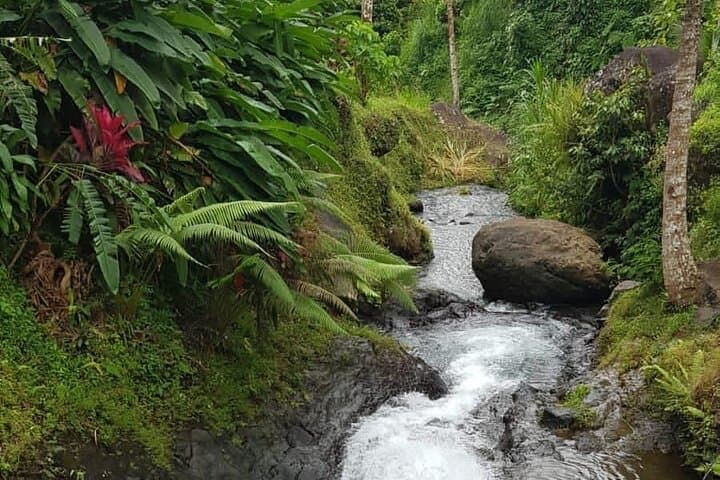
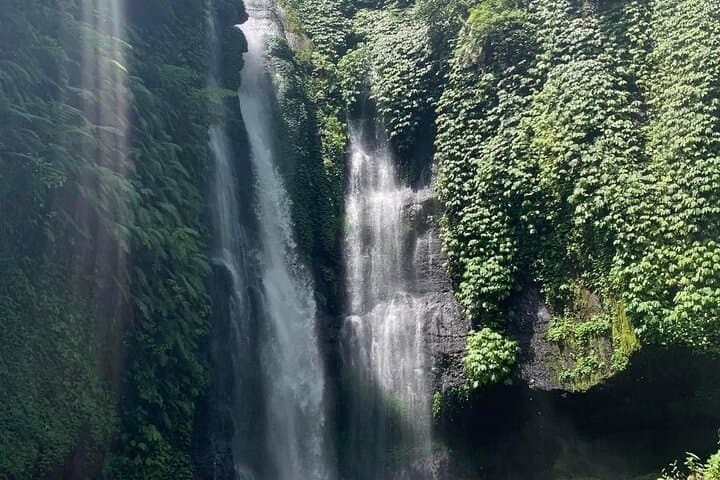
Geology here is alive — volcanic soils feed terraced fields while streams cut smooth channels in volcanic rock, creating the Lemukih natural water slide and a cold plunge pool below. The tour threads culture and cultivation: two small temples (Batu Balong and Leh Lembu) reflect Bali’s Hindu village system, while the farm visit shows rice paddies, irrigation channels (subak), and crops that sustain local communities.
Expect short, mostly easy walks: a handful of stone steps at temples, a 10–20 minute scramble over wet rock at the slide, and flat paths on the farm. Terrain is mixed—paved lanes, muddy trails after rain, and slick river rocks at the falls—so balance and traction matter.
Practical notes: the full experience runs about 8–10 hours from Ubud with private transport, bottled water, lunch, and an English guide included. Time your visit in the dry months for safer rock slides and clearer pools. Wear quick-dry layers, bring a small waterproof bag for electronics, and budget extra time for photography and chatting with farmers—this is as much a cultural exchange as a splash of adventure.
easy.
8–10 hours.
Suitable for travelers in average fitness; involves short walks, some uneven ground, and brief rock scrambles.
Most operators pick up from Ubud accommodations—private transport is included and exact pickup time is confirmed at booking.
Yes—sliding is optional and shallow pools are accessible; guides can advise safer vantage points if you prefer to stay dry.
Temple entry is typically included or available locally; bring a sarong or the guide will help arrange one for respectful entry.
Families with children can participate, but supervision is required; the guide will assess conditions and recommend whether sliding is appropriate that day.
Sawan villages are part of Bali’s traditional subak agricultural system and maintain Hindu temple complexes that serve as communal ritual centers.
Visitors are encouraged to avoid single-use plastics, stick to established paths to protect terraces, and support local warungs to keep tourism benefits local.
Bali Jinah Tours operates guided outdoor trips and adventures with an emphasis on safety, stewardship, and memorable experiences.
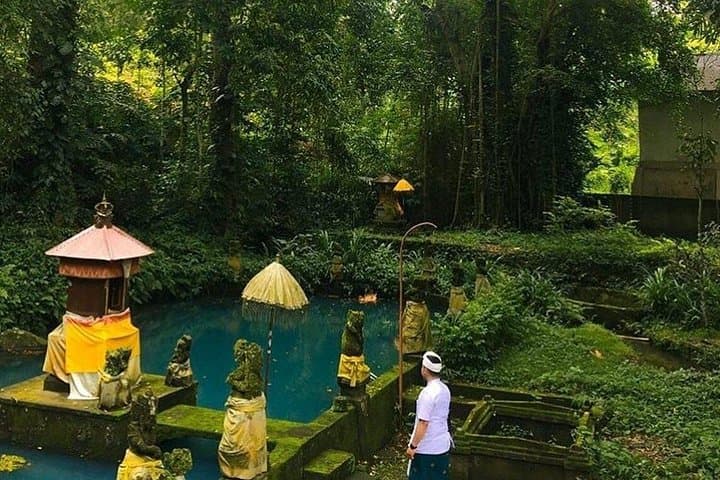
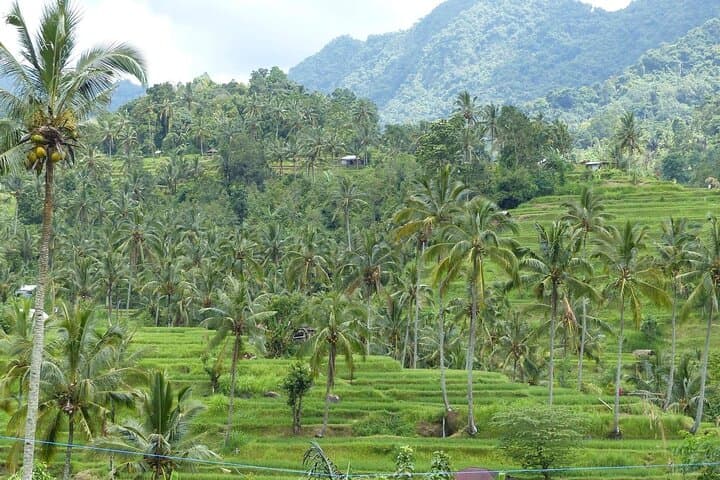
You arrive on a humid morning with an air-conditioned vehicle easing up narrow country roads; rice paddies slope away to either side and the sound of water—at times a distant roar, at times a steady chatter—pulls you off the road. The first stop, Temple Batu Balong, is quiet: carved stone, smoke from offerings, and the measured rhythm of prayer bells set a calm counterpoint to what comes next.
You arrive on a humid morning with an air-conditioned vehicle easing up narrow country roads; rice paddies slope away to either side and the sound of water—at times a distant roar, at times a steady chatter—pulls you off the road. The first stop, Temple Batu Balong, is quiet: carved stone, smoke from offerings, and the measured rhythm of prayer bells set a calm counterpoint to what comes next.
Geology here is alive — volcanic soils feed terraced fields while streams cut smooth channels in volcanic rock, creating the Lemukih natural water slide and a cold plunge pool below. The tour threads culture and cultivation: two small temples (Batu Balong and Leh Lembu) reflect Bali’s Hindu village system, while the farm visit shows rice paddies, irrigation channels (subak), and crops that sustain local communities.
Expect short, mostly easy walks: a handful of stone steps at temples, a 10–20 minute scramble over wet rock at the slide, and flat paths on the farm. Terrain is mixed—paved lanes, muddy trails after rain, and slick river rocks at the falls—so balance and traction matter.
Practical notes: the full experience runs about 8–10 hours from Ubud with private transport, bottled water, lunch, and an English guide included. Time your visit in the dry months for safer rock slides and clearer pools. Wear quick-dry layers, bring a small waterproof bag for electronics, and budget extra time for photography and chatting with farmers—this is as much a cultural exchange as a splash of adventure.