THE ADVENTURE COLLECTIVE® · Independent discovery and booking for outdoor travel

Spend a full day exploring Bosque Alegre from San José: a forest hike to Laguna del Hule followed by calm-lake kayaking. Expect volcanic scenery, abundant birdlife, and a relaxed paddling session suited to beginners.
Spend a full day exploring Bosque Alegre from San José: a forest hike to Laguna del Hule followed by calm-lake kayaking. Expect volcanic scenery, abundant birdlife, and a relaxed paddling session suited to beginners.
You step out of the shuttle where mist still clings to the crater rims and the air tastes faintly of wet earth. A band of cloud lifts to reveal a dark, quiet lagoon cupped by volcanic slopes — Laguna del Hule — and the day opens with the small, insistent sounds of birds moving through low forest.
Verified experiences and guided adventures in the surrounding area.
Operated by Costa Rica Itinerary · Poás, Alajuela
You step out of the shuttle where mist still clings to the crater rims and the air tastes faintly of wet earth. A band of cloud lifts to reveal a dark, quiet lagoon cupped by volcanic slopes — Laguna del Hule — and the day opens with the small, insistent sounds of birds moving through low forest.
This is Bosque Alegre, a protected wildlife refuge formed where past volcanic eruptions shaped depressions that filled with water and peat. The geology is intimate here: volcanic cones, shallow crater lakes, and rich organic soils that host aquatic macrophytes and abundant guapote fish. Culturally the area sits between San José and the coffee towns of Alajuela, where rural life meets cloudforest ecotourism and local guides share knowledge of species and conservation.
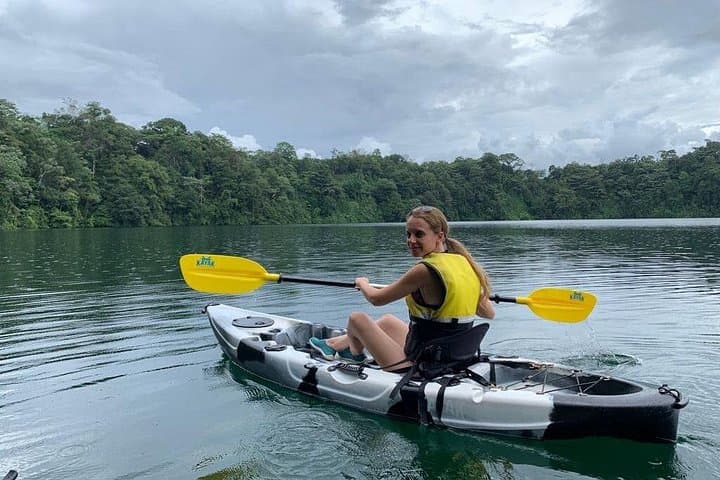
Expect a full day: a 90–120 minute drive from the Central Valley, a guided walk along forest paths and viewpoints to the lagoon, a typical Costa Rican lunch, then roughly two hours of flatwater kayaking on calm lake surfaces. Wildlife is the draw — capuchin and howler monkeys, a wide assemblage of birds, and signs of otters and armadillos along quieter streams.
Practical notes: wear grippy shoes for muddy trails, bring sun and rain protection, and carry water and insect repellent. Paddling is gentle but bring a comfortable life jacket and be ready for changing weather. The refuge rewards patient observation and a steady, low-impact approach — move quietly, keep to the route, and let the lagoon reveal its life on its own terms.
moderate.
10–12 hours.
Comfortable walking ability for several hours plus basic paddling stamina; suitable for most active travelers.
The tour typically includes about two hours of flatwater kayaking on Laguna del Hule, suitable for beginners with guide instruction.
The hike is moderate with short inclines and potentially muddy sections; it’s described as suitable for most fitness levels.
No — basic paddling instruction is provided and the lagoon is calm, but you should be comfortable sitting and paddling for up to two hours.
Expect birds (including many forest species), capuchin and howler monkeys, and possible signs of otters and armadillos near streams.
The lagoons occupy volcanic depressions north of Poás; the area became part of protected lands to preserve its wetland and forest biodiversity.
This is a sensitive wetland; stay on trails, avoid single-use plastics, and follow guide rules to limit disturbance to breeding birds and aquatic life.
Costa Rica Itinerary operates guided outdoor trips and adventures with an emphasis on safety, stewardship, and memorable experiences.
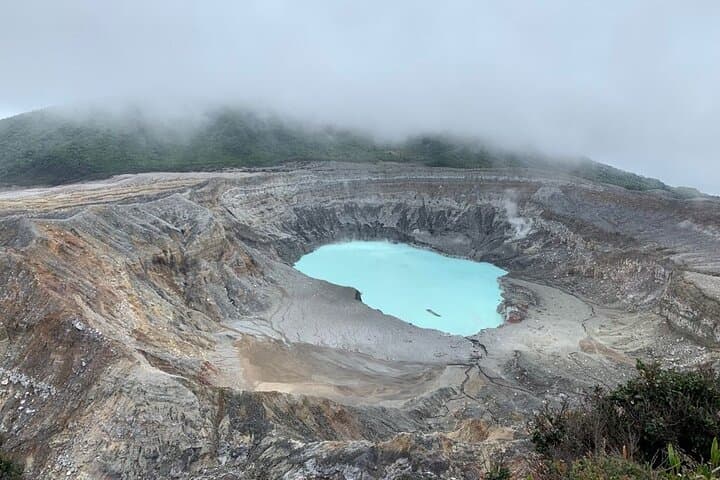
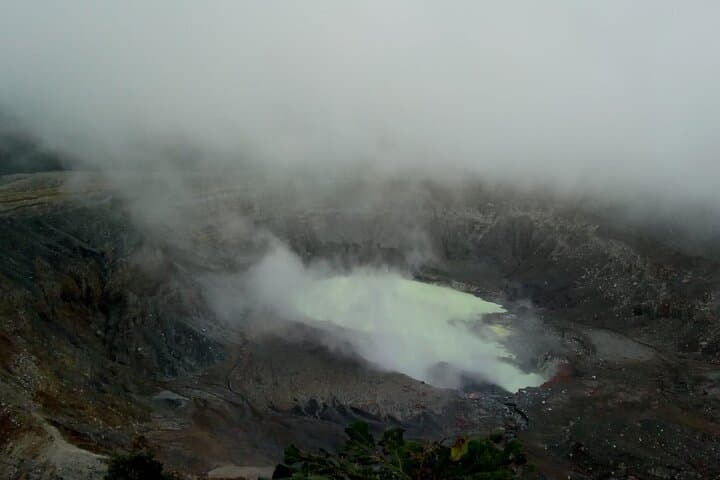
You step out of the shuttle where mist still clings to the crater rims and the air tastes faintly of wet earth. A band of cloud lifts to reveal a dark, quiet lagoon cupped by volcanic slopes — Laguna del Hule — and the day opens with the small, insistent sounds of birds moving through low forest.
You step out of the shuttle where mist still clings to the crater rims and the air tastes faintly of wet earth. A band of cloud lifts to reveal a dark, quiet lagoon cupped by volcanic slopes — Laguna del Hule — and the day opens with the small, insistent sounds of birds moving through low forest.
This is Bosque Alegre, a protected wildlife refuge formed where past volcanic eruptions shaped depressions that filled with water and peat. The geology is intimate here: volcanic cones, shallow crater lakes, and rich organic soils that host aquatic macrophytes and abundant guapote fish. Culturally the area sits between San José and the coffee towns of Alajuela, where rural life meets cloudforest ecotourism and local guides share knowledge of species and conservation.
Expect a full day: a 90–120 minute drive from the Central Valley, a guided walk along forest paths and viewpoints to the lagoon, a typical Costa Rican lunch, then roughly two hours of flatwater kayaking on calm lake surfaces. Wildlife is the draw — capuchin and howler monkeys, a wide assemblage of birds, and signs of otters and armadillos along quieter streams.
Practical notes: wear grippy shoes for muddy trails, bring sun and rain protection, and carry water and insect repellent. Paddling is gentle but bring a comfortable life jacket and be ready for changing weather. The refuge rewards patient observation and a steady, low-impact approach — move quietly, keep to the route, and let the lagoon reveal its life on its own terms.