THE ADVENTURE COLLECTIVE® · Independent discovery and booking for outdoor travel

Walk descending trails through Mường Hoa Valley to visit Black Hmong and Giay villages, timeless rice terraces and riverside life. This full-day Sapa trek blends accessible hiking with vivid cultural encounters and panoramic mountain views.
Walk descending trails through Mường Hoa Valley to visit Black Hmong and Giay villages, timeless rice terraces and riverside life. This full-day Sapa trek blends accessible hiking with vivid cultural encounters and panoramic mountain views.
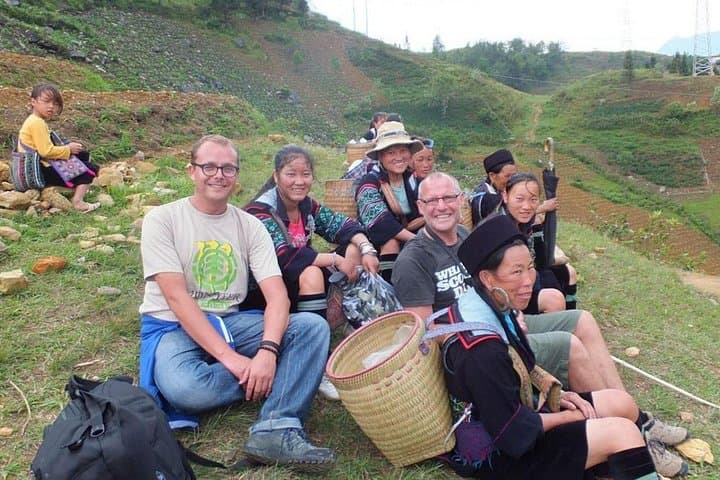
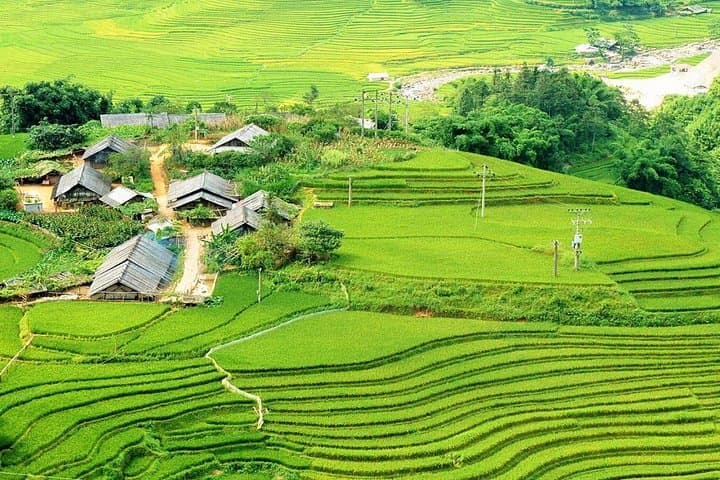
You step out of Sapa town into a chill that clings to the stone streets, then walk down wooden steps and narrow trails into Mường Hoa Valley where rice terraces stack like weathered stairs. Mist lifts from the mountains and reveals patchwork fields; water buffalo graze at the terraces’ edge while local children wave from doorways. The day moves at the pace of the valley — deliberate, practical, observant.
Verified experiences and guided adventures in the surrounding area.
Operated by Asia Tour Booking · Sapa, Lào Cai
You step out of Sapa town into a chill that clings to the stone streets, then walk down wooden steps and narrow trails into Mường Hoa Valley where rice terraces stack like weathered stairs. Mist lifts from the mountains and reveals patchwork fields; water buffalo graze at the terraces’ edge while local children wave from doorways. The day moves at the pace of the valley — deliberate, practical, observant.
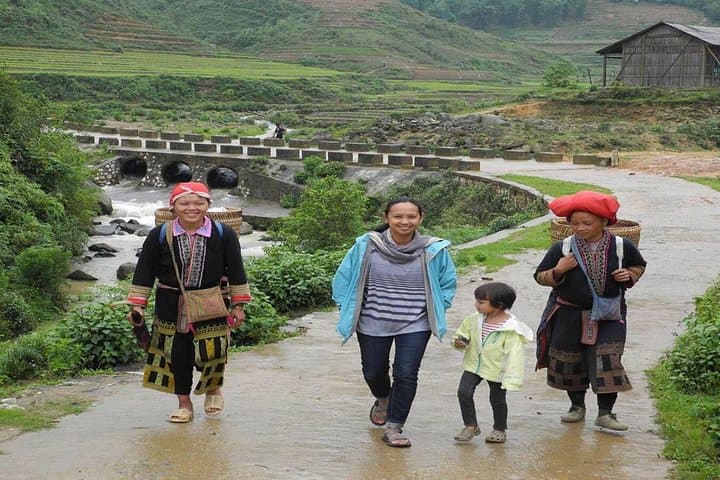
Sapa sits high in northern Vietnam (around 1,500 m) on an ancient slate and limestone landscape carved by uplift and terrace farming. French hill-station history colors the town, but the heart of the trek is ethnic: Black Hmong at Y Linh Ho, centuries-old terraces at Lao Chai, and the Giay community in Ta Van with riverside living traditions. You’ll see traditional woven textiles, bamboo-fired fish methods and houses built to fit steep land.
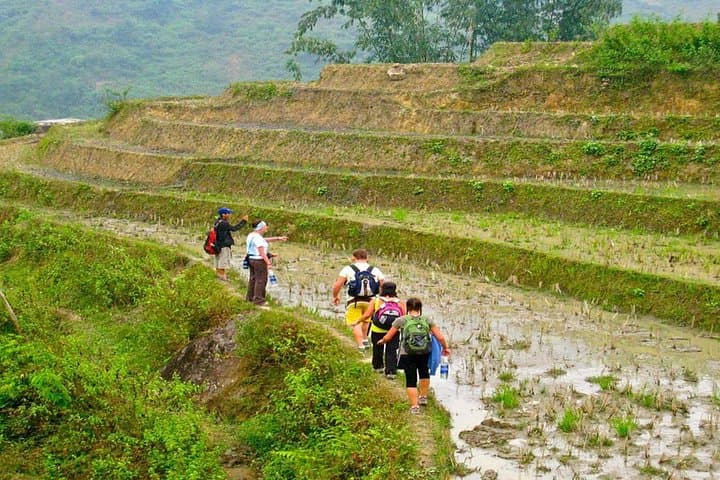
Practical notes: the full-day itinerary runs about 8–9 hours with roughly 10–14 km of walking on uneven, sometimes muddy trails and descending/ascending terrace paths. Expect long stretches without shade, intermittent village stops and a picnic lunch. Entrance fees and transport back from Ta Van are included; guides handle local introductions. Bring layered clothing for wind and sun, sturdy shoes with grip, cash for small purchases, and a compact rain shell for sudden showers. Move respectfully through homes and fields, ask before photographing people, and keep to paths to protect terraces. This trek is a balanced blend of culture and countryside — immersive without technical climbing, ideal for travelers ready for a full day on foot.
moderate.
8–9 hours.
Suitable for travelers who can walk 10–14 km over uneven terrain; basic stamina and steady balance recommended.
Expect roughly 10–14 km of walking over 8–9 hours on mostly dirt paths and terrace steps; effort is steady but not technical.
A picnic lunch is included in the tour price; bring any special dietary requests when booking.
The operator notes it’s suitable for all fitness levels, but uneven terrain and long duration may be tiring for very young children or those with limited mobility.
Routes can become muddy and slippery in heavy rain; the operator maintains the schedule but bring appropriate rain gear and layers.
Sapa became a French hill station in the early 20th century; the surrounding valleys have long been home to Hmong, Giay and other ethnic groups who shaped the terraced landscape.
Terraces are fragile—stick to established paths, avoid trampling seedlings and minimize single-use plastics; tourism supports village incomes but increases waste pressure.
Asia Tour Booking operates guided outdoor trips and adventures with an emphasis on safety, stewardship, and memorable experiences.
You step out of Sapa town into a chill that clings to the stone streets, then walk down wooden steps and narrow trails into Mường Hoa Valley where rice terraces stack like weathered stairs. Mist lifts from the mountains and reveals patchwork fields; water buffalo graze at the terraces’ edge while local children wave from doorways. The day moves at the pace of the valley — deliberate, practical, observant.
You step out of Sapa town into a chill that clings to the stone streets, then walk down wooden steps and narrow trails into Mường Hoa Valley where rice terraces stack like weathered stairs. Mist lifts from the mountains and reveals patchwork fields; water buffalo graze at the terraces’ edge while local children wave from doorways. The day moves at the pace of the valley — deliberate, practical, observant.
Sapa sits high in northern Vietnam (around 1,500 m) on an ancient slate and limestone landscape carved by uplift and terrace farming. French hill-station history colors the town, but the heart of the trek is ethnic: Black Hmong at Y Linh Ho, centuries-old terraces at Lao Chai, and the Giay community in Ta Van with riverside living traditions. You’ll see traditional woven textiles, bamboo-fired fish methods and houses built to fit steep land.
Practical notes: the full-day itinerary runs about 8–9 hours with roughly 10–14 km of walking on uneven, sometimes muddy trails and descending/ascending terrace paths. Expect long stretches without shade, intermittent village stops and a picnic lunch. Entrance fees and transport back from Ta Van are included; guides handle local introductions. Bring layered clothing for wind and sun, sturdy shoes with grip, cash for small purchases, and a compact rain shell for sudden showers. Move respectfully through homes and fields, ask before photographing people, and keep to paths to protect terraces. This trek is a balanced blend of culture and countryside — immersive without technical climbing, ideal for travelers ready for a full day on foot.