THE ADVENTURE COLLECTIVE® · Independent discovery and booking for outdoor travel

A full-day coastal escape from São Paulo that mixes coffee history, a tram ride through Santos’s heritage district, a panoramic cable car to Morro do Itacaré, and afternoon beach time in Guarujá. Practical for travelers who want history and shoreline in a single day.
A full-day coastal escape from São Paulo that mixes coffee history, a tram ride through Santos’s heritage district, a panoramic cable car to Morro do Itacaré, and afternoon beach time in Guarujá. Practical for travelers who want history and shoreline in a single day.
You step into a coastal morning as the van pulls out of São Paulo and the cityscape thins into palms and salt air; by midmorning the white façade of the Coffee Museum rises against Santos’s harbor, and the smell of roast pulls you toward a tasting. The day threads history and shoreline—historic tram tracks creak through the old center, calcified port warehouses recall Brazil’s coffee boom, and the cliffs of Morro do Itacaré open a lens on the Atlantic.
Verified experiences and guided adventures in the surrounding area.
Operated by Tangol · Santos, São Paulo
You step into a coastal morning as the van pulls out of São Paulo and the cityscape thins into palms and salt air; by midmorning the white façade of the Coffee Museum rises against Santos’s harbor, and the smell of roast pulls you toward a tasting. The day threads history and shoreline—historic tram tracks creak through the old center, calcified port warehouses recall Brazil’s coffee boom, and the cliffs of Morro do Itacaré open a lens on the Atlantic.
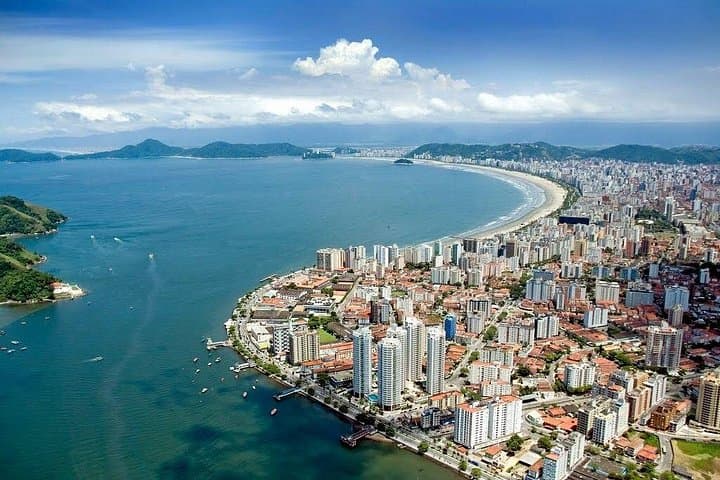
Geologically, the Santos coastline is a meeting of São Paulo’s coastal plain and rocky promontories; beaches like Pitangueiras and Enseada are broad curving shelves of sand shaped by longshore currents, while Mirante da Campina in Guarujá gives a clear view of the archipelago offshore. Culturally the region is port-born: seafood stands, tram lore, and a working harbor still moving cargo beyond the tourist sights.
Expect easy-paced stops: a guided Coffee Museum visit, a short historic tram pass, a cable car ride to Morro do Itacaré, and afternoon time on Enseada and Pitangueiras beaches with lunch options along the waterfront. The route favors accessibility over technical challenge—walks are flat to gently sloped, but sun and humidity can be intense.
Practical guidance: bring sun protection and hydrated layers, schedule beach time in the afternoon to avoid the hottest hours, and keep small cash for beachfront vendors. If you want photography, aim for the Mirante at golden hour when islands and bay flatten into long light. The tour offers a compact coastal primer—history, views, and the Atlantic’s steady push all in one day.
easy.
10 hours.
Suitable for most fitness levels; involves short walks and standing during museum and viewpoint stops, and flat beach strolls.
The tour is approximately 10 hours and typically departs around 8:00 AM from São Paulo hotels or a designated pickup point.
Lunch is not included; the itinerary provides time in Guarujá and Enseada where you can choose from beachfront restaurants.
Tram tickets and museum entrance policies can vary; confirm with the operator at booking for current inclusions.
The tour is rated easy and suitable for most fitness levels; infants must sit on laps and specialized infant seats may be available—notify the operator if accessibility assistance is required.
Santos grew wealthy during Brazil’s 19th–20th century coffee boom; its port and the Coffee Museum reflect the trade that shaped São Paulo state.
Coastal zones face pressure from development and beach tourism—respect signage, avoid stepping on dunes, and use marked access points to limit erosion.
Tangol operates guided outdoor trips and adventures with an emphasis on safety, stewardship, and memorable experiences.
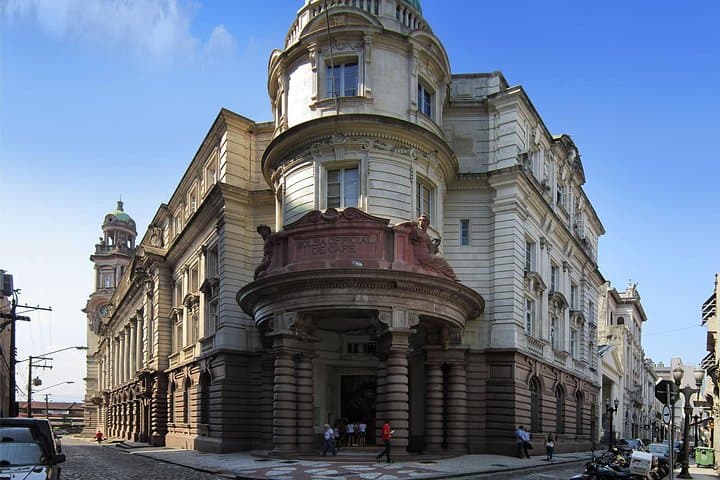
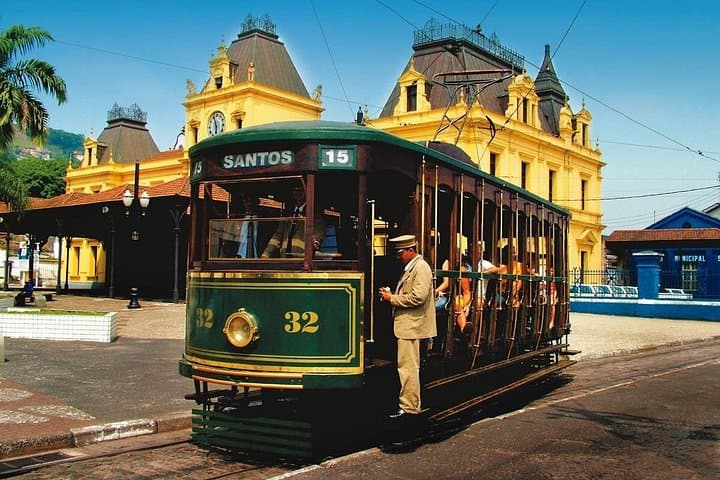
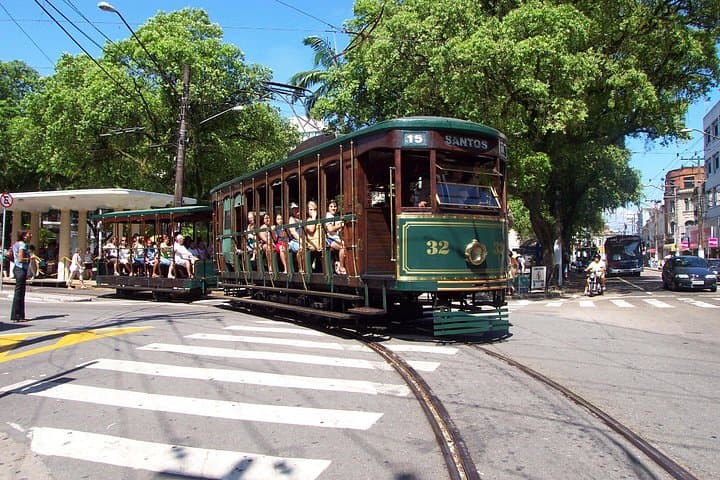
You step into a coastal morning as the van pulls out of São Paulo and the cityscape thins into palms and salt air; by midmorning the white façade of the Coffee Museum rises against Santos’s harbor, and the smell of roast pulls you toward a tasting. The day threads history and shoreline—historic tram tracks creak through the old center, calcified port warehouses recall Brazil’s coffee boom, and the cliffs of Morro do Itacaré open a lens on the Atlantic.
You step into a coastal morning as the van pulls out of São Paulo and the cityscape thins into palms and salt air; by midmorning the white façade of the Coffee Museum rises against Santos’s harbor, and the smell of roast pulls you toward a tasting. The day threads history and shoreline—historic tram tracks creak through the old center, calcified port warehouses recall Brazil’s coffee boom, and the cliffs of Morro do Itacaré open a lens on the Atlantic.
Geologically, the Santos coastline is a meeting of São Paulo’s coastal plain and rocky promontories; beaches like Pitangueiras and Enseada are broad curving shelves of sand shaped by longshore currents, while Mirante da Campina in Guarujá gives a clear view of the archipelago offshore. Culturally the region is port-born: seafood stands, tram lore, and a working harbor still moving cargo beyond the tourist sights.
Expect easy-paced stops: a guided Coffee Museum visit, a short historic tram pass, a cable car ride to Morro do Itacaré, and afternoon time on Enseada and Pitangueiras beaches with lunch options along the waterfront. The route favors accessibility over technical challenge—walks are flat to gently sloped, but sun and humidity can be intense.
Practical guidance: bring sun protection and hydrated layers, schedule beach time in the afternoon to avoid the hottest hours, and keep small cash for beachfront vendors. If you want photography, aim for the Mirante at golden hour when islands and bay flatten into long light. The tour offers a compact coastal primer—history, views, and the Atlantic’s steady push all in one day.