THE ADVENTURE COLLECTIVE® · Independent discovery and booking for outdoor travel

Spend six hours moving from botanical gardens and bustling markets to coastal sands and a living Rabelado community. This private, air-conditioned tour balances short walks with immersive cultural stops across Santiago Island.
Spend six hours moving from botanical gardens and bustling markets to coastal sands and a living Rabelado community. This private, air-conditioned tour balances short walks with immersive cultural stops across Santiago Island.
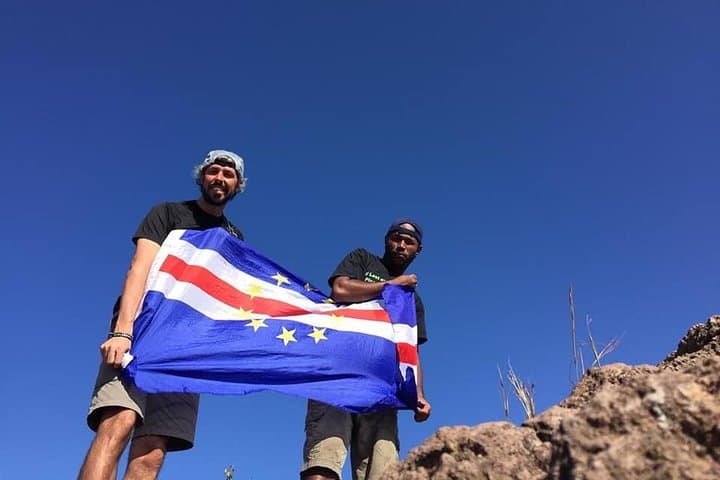
Morning light hits Santiago’s black volcanic ridges as you roll away from Praia in an air-conditioned van, the ocean daring you from a distance while terraced fields rush past.
Verified experiences and guided adventures in the surrounding area.
Operated by Discover Santiago Island · Praia, Santiago
Morning light hits Santiago’s black volcanic ridges as you roll away from Praia in an air-conditioned van, the ocean daring you from a distance while terraced fields rush past.
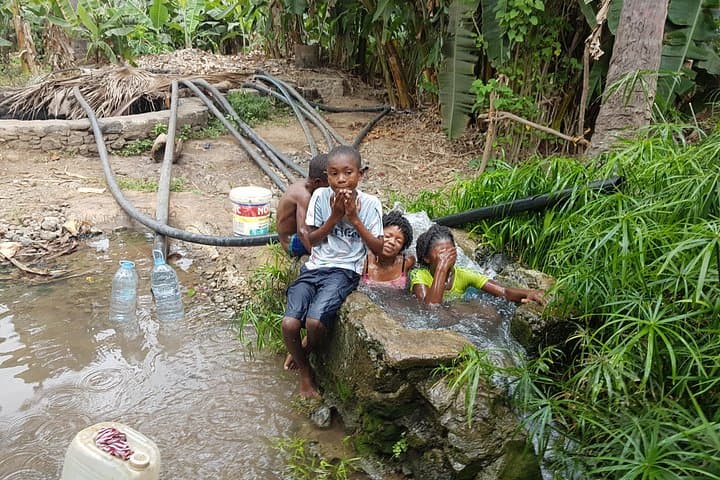
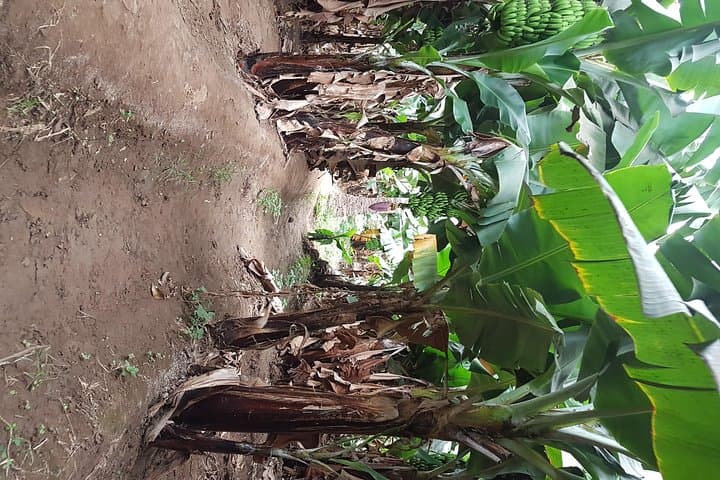
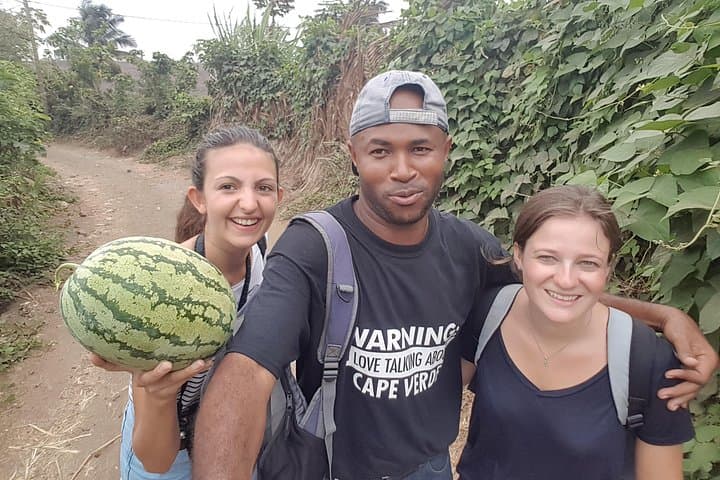
This full-day circuit threads Jardim Botânico’s planted shade, the bustling market of Assomada where produce and conversation move at island pace, and the brighter sand and sky at Tarrafal. In Calheta you meet the Rabelados community—people who preserved older religious and social traditions—and walk a short banana plantation path that explains why agriculture still shapes life on Santiago.
Geology here is volcanic: steep ridgelines, compacted ash soils and coastal benches carved by waves. Historically Santiago was one of the earliest European-occupied islands in Cape Verde and a hub in Atlantic trade routes; those layers of influence show in language, food and village layouts.
Expect sensory contrasts—salty wind at Tarrafal, the dry snap of inland scrub, the warm humidity under banana leaves—and practical comforts: private transport, an English-speaking guide and a six-hour schedule that minimizes time in the van.
Practical guidance: bring sun protection and a refillable water bottle, keep small bills for markets and tipping, and wear shoes that handle both sand and uneven village streets. Plan this as an easy-paced cultural day with short walks and stops rather than a strenuous hike. Arrive curious, leave having seen both the island’s coastline and the quieter rhythms of Santiago’s communities.
easy.
6 hours.
Suitable for most fitness levels—short walks and standing at markets; no strenuous hiking required.
Start and end points are typically arranged in Praia or nearby pickup locations—confirm pickup with your operator when booking.
Yes—infant seats and stroller access are available and the pace is family-friendly; notify the operator in advance for arrangements.
Walking is short and moderate: market browsing, short village visits and a brief plantation stroll rather than long hikes.
Meals are not specified as included—bring snacks or plan to purchase local food at market stops or cafes along the route.
Santiago was an early Atlantic outpost during Portuguese colonization and later a node in transatlantic trade; communities like the Rabelados embody local resistance to 20th-century changes.
Support local guides and vendors, avoid disturbing nesting beaches, and minimize single-use plastics to reduce pressure on fragile coastal and agricultural ecosystems.
Discover Santiago Island operates guided outdoor trips and adventures with an emphasis on safety, stewardship, and memorable experiences.
Morning light hits Santiago’s black volcanic ridges as you roll away from Praia in an air-conditioned van, the ocean daring you from a distance while terraced fields rush past.
Morning light hits Santiago’s black volcanic ridges as you roll away from Praia in an air-conditioned van, the ocean daring you from a distance while terraced fields rush past.
This full-day circuit threads Jardim Botânico’s planted shade, the bustling market of Assomada where produce and conversation move at island pace, and the brighter sand and sky at Tarrafal. In Calheta you meet the Rabelados community—people who preserved older religious and social traditions—and walk a short banana plantation path that explains why agriculture still shapes life on Santiago.
Geology here is volcanic: steep ridgelines, compacted ash soils and coastal benches carved by waves. Historically Santiago was one of the earliest European-occupied islands in Cape Verde and a hub in Atlantic trade routes; those layers of influence show in language, food and village layouts.
Expect sensory contrasts—salty wind at Tarrafal, the dry snap of inland scrub, the warm humidity under banana leaves—and practical comforts: private transport, an English-speaking guide and a six-hour schedule that minimizes time in the van.
Practical guidance: bring sun protection and a refillable water bottle, keep small bills for markets and tipping, and wear shoes that handle both sand and uneven village streets. Plan this as an easy-paced cultural day with short walks and stops rather than a strenuous hike. Arrive curious, leave having seen both the island’s coastline and the quieter rhythms of Santiago’s communities.