THE ADVENTURE COLLECTIVE® · Independent discovery and booking for outdoor travel

Descend into a cavernous chapel hewn from salt and centuries of mining history. This full-day tour from Bogotá combines geology, local culture, and guided access to one of Colombia’s most unusual religious sites.
Descend into a cavernous chapel hewn from salt and centuries of mining history. This full-day tour from Bogotá combines geology, local culture, and guided access to one of Colombia’s most unusual religious sites.
You arrive as the highway drops from Bogotá's gray edge into rolling emerald hills. The town of Zipaquirá appears on the horizon — white houses clinging to green slopes — and the road seems to guide you toward something older and quiet: salt carved deep under the earth.
Verified experiences and guided adventures in the surrounding area.
Operated by The Baldman Tours · Zipaquirá, Cundinamarca
You arrive as the highway drops from Bogotá's gray edge into rolling emerald hills. The town of Zipaquirá appears on the horizon — white houses clinging to green slopes — and the road seems to guide you toward something older and quiet: salt carved deep under the earth.
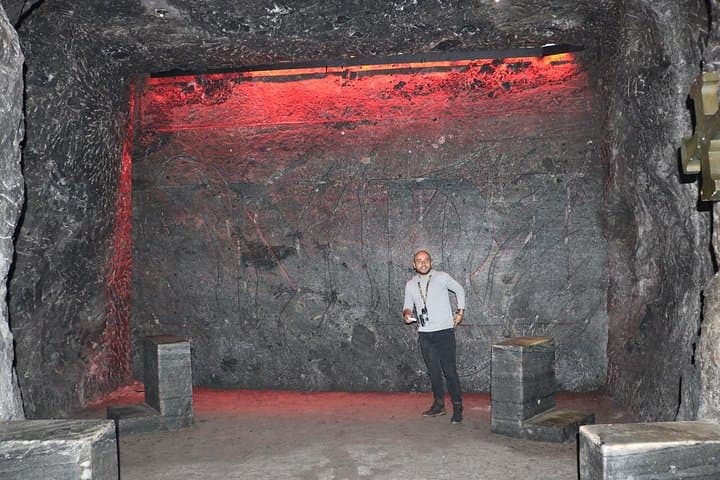
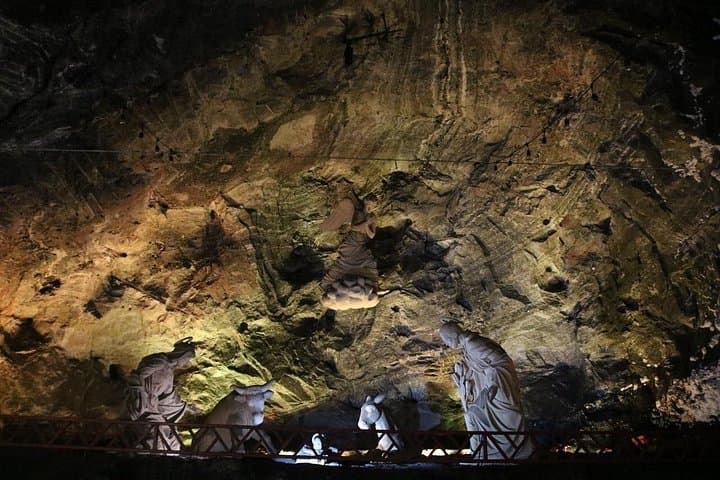
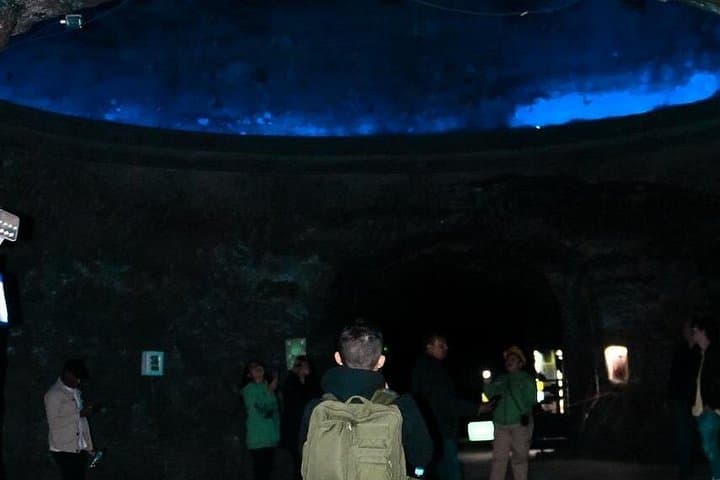
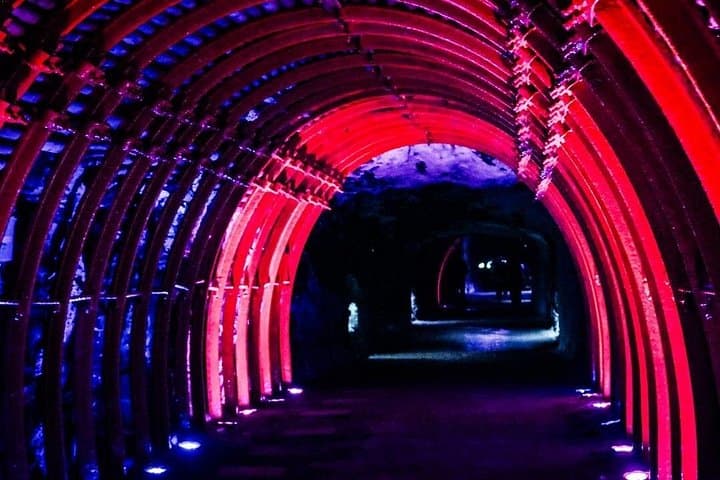
The Salt Cathedral sits within a 19th-century salt mine whose galleries have been expanded into a subterranean church. The cavernous chambers show a working relationship between geology and faith; layers of salt and impurities curve like geological ribs, and medieval-echoing vaults are punctuated by modern lighting that makes the salt glow. Locals point to the mine’s role in regional commerce: salt extraction shaped the community long before the cathedral became a pilgrimage and tourist site.
Culturally, the space blends Catholic ritual with miners’ traditions — small altars, plaques, and miners’ names engraved in stone. Geologically, expect slick salt floors, crystalline faces, and noticeable changes in humidity and air temperature as you descend.
Practically, the tour is accessible to most who can manage stairs and uneven paths; it typically includes hotel pickup from Bogotá and breakfast arepas and hot chocolate to start the day. Guides provide a route through the main nave, the Stations of the Cross carved into the rock, and viewpoints looking back toward the surface.
Plan for layered clothing, steady footwear, and at least five hours for transit and visit. Bring water, a small daypack, and a camera with flash disabled inside the cathedral. Arrive early to avoid mid-day crowds and to make the most of the return trip to Bogotá.
moderate.
5–6 hours.
Moderate fitness to manage stairs, short walks, and standing during the guided visit
Expect about 5–6 hours total: roughly 1–1.5 hours each way by road (depending on traffic) plus a 1.5–2 hour guided visit inside the cathedral.
Access includes stairs and uneven subterranean paths; it is not fully wheelchair accessible—contact the operator for specific accommodations.
The advertised tour includes a welcome breakfast snack (arepas and hot chocolate) and private transport; bring extra snacks if you have dietary needs.
This tour includes admission and a guided visit, but it is not described as a formal skip-the-line pass; arrival timing can affect wait times.
The cathedral was created inside an active salt mine that has been an economic linchpin in the region since pre-Columbian times; miners’ traditions are woven into the site’s religious features.
The site balances tourism with ongoing mining and preservation; visitors are asked to follow pathways and photography rules to protect fragile salt surfaces and historic inscriptions.
The Baldman Tours operates guided outdoor trips and adventures with an emphasis on safety, stewardship, and memorable experiences.
You arrive as the highway drops from Bogotá's gray edge into rolling emerald hills. The town of Zipaquirá appears on the horizon — white houses clinging to green slopes — and the road seems to guide you toward something older and quiet: salt carved deep under the earth.
You arrive as the highway drops from Bogotá's gray edge into rolling emerald hills. The town of Zipaquirá appears on the horizon — white houses clinging to green slopes — and the road seems to guide you toward something older and quiet: salt carved deep under the earth.
The Salt Cathedral sits within a 19th-century salt mine whose galleries have been expanded into a subterranean church. The cavernous chambers show a working relationship between geology and faith; layers of salt and impurities curve like geological ribs, and medieval-echoing vaults are punctuated by modern lighting that makes the salt glow. Locals point to the mine’s role in regional commerce: salt extraction shaped the community long before the cathedral became a pilgrimage and tourist site.
Culturally, the space blends Catholic ritual with miners’ traditions — small altars, plaques, and miners’ names engraved in stone. Geologically, expect slick salt floors, crystalline faces, and noticeable changes in humidity and air temperature as you descend.
Practically, the tour is accessible to most who can manage stairs and uneven paths; it typically includes hotel pickup from Bogotá and breakfast arepas and hot chocolate to start the day. Guides provide a route through the main nave, the Stations of the Cross carved into the rock, and viewpoints looking back toward the surface.
Plan for layered clothing, steady footwear, and at least five hours for transit and visit. Bring water, a small daypack, and a camera with flash disabled inside the cathedral. Arrive early to avoid mid-day crowds and to make the most of the return trip to Bogotá.