THE ADVENTURE COLLECTIVE® · Independent discovery and booking for outdoor travel

Spend a day moving between Salalah’s coastal drama and frankincense-scented valleys. Visit Taqah Castle, the UNESCO-linked ruins of Sumharam, Mughsail’s blowholes and peaceful lagoons on this accessible full-day tour.
Spend a day moving between Salalah’s coastal drama and frankincense-scented valleys. Visit Taqah Castle, the UNESCO-linked ruins of Sumharam, Mughsail’s blowholes and peaceful lagoons on this accessible full-day tour.
Morning light spreads across the Arabian Sea as the tour slips away from Salalah’s hotel strip and into the low, brown roofs of Taqah. Visitors step onto a windswept bay where fishermen mend nets and Taqah Castle perches like an old watchman overlooking the coast.
Verified experiences and guided adventures in the surrounding area.
Operated by Magic Tours Egypt · Salalah, Dhofar
Morning light spreads across the Arabian Sea as the tour slips away from Salalah’s hotel strip and into the low, brown roofs of Taqah. Visitors step onto a windswept bay where fishermen mend nets and Taqah Castle perches like an old watchman overlooking the coast.
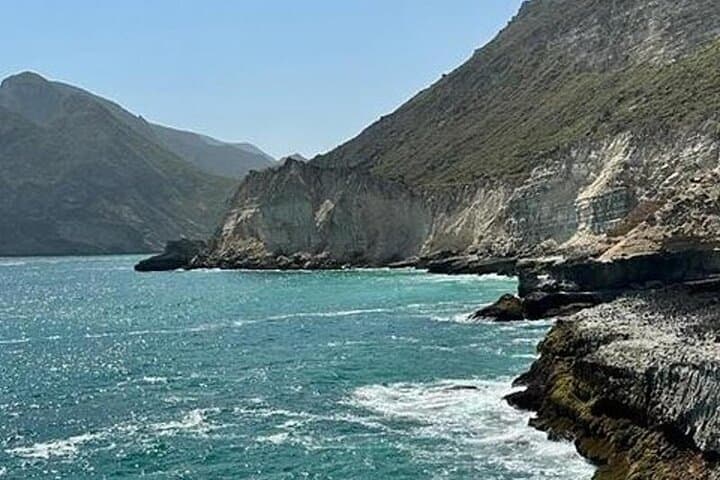
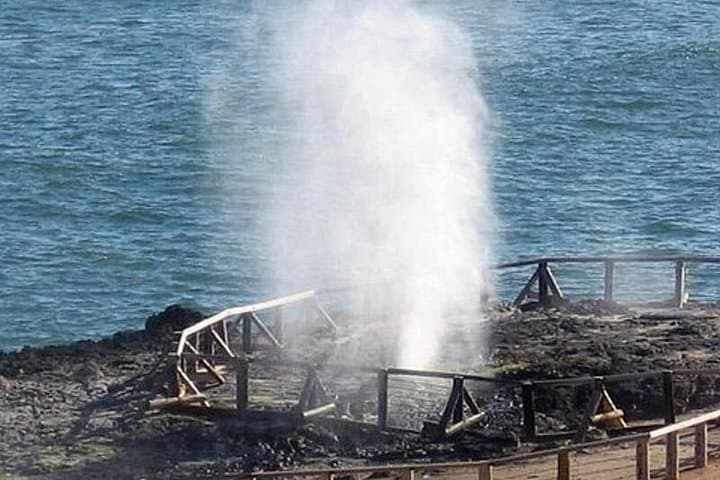
The day threads between human history and coastal geology. Sumharam (Khor Rori) opens as an archaeological shore—an ancient incense port that connected Dhofar’s frankincense with the Mediterranean and Indian Ocean worlds. Along the western road, cliffs fall into the sea and limestone blowholes at Mughsail roar, sending saltwater plumes high enough to remind you the ocean still shapes this coast.
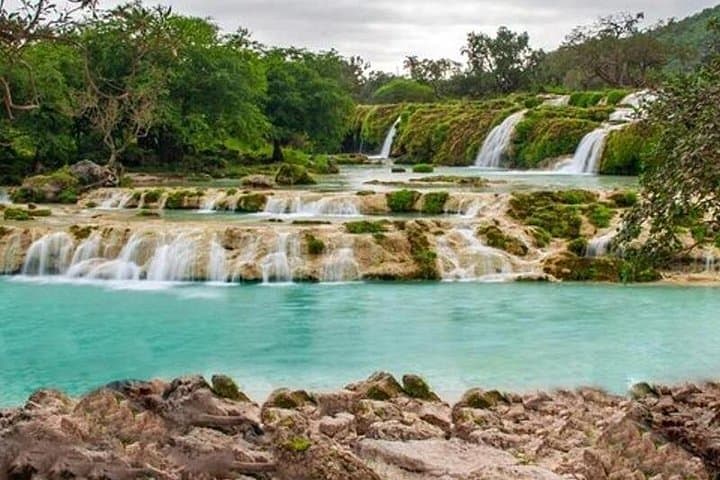
Cultural notes surface easily: the Old Frankincense Souk sells resin, oud and small jars of local perfume; roadside coconut huts hand out freshly opened fruit. Wadi Derbat brings the other face of Dhofar—seasonal springs and waterfalls that pulse after rains and attract local families.
Practically, the itinerary is a seven-hour loop of short walks, photo stops and brief archaeological visits. Expect mostly paved driving with some short uneven paths to viewpoints; light walking shoes and sun protection are advisable. Timing matters—high tide and active seas make the blowholes dramatic, while Khareef (monsoon) months green the wadis but can limit visibility. Guides typically provide bottled water and handle entrance logistics; visitors should carry modest clothing for cultural sites, a wind layer for coastal exposure, and binoculars for flamingos and migrant waders. The tour balances easy access with memorable contrasts—ancient trade routes, fragrant frankincense valleys and a coastline that still announces its power.
easy.
7 hours.
Suitable for travelers in average physical condition; involves short, uneven walks and steps at viewpoints.
Entrance fees for listed sites such as Sumharam are included in the tour price per the itinerary.
Yes—tour notes indicate suitability for all fitness levels; infants must sit on laps and facilities vary by stop.
Swimming is possible in calm spots, but currents and waves near blowholes can be hazardous—follow your guide’s advice.
Khareef (June–September) turns the region green and is unique, but cooler months (October–May) offer clearer skies and calmer seas.
Dhofar’s coastline was a hub of the frankincense trade; Sumharam (Khor Rori) served as an export port linking Oman with the Mediterranean and India.
Frankincense trees and coastal wetlands are sensitive—avoid trampling trees or leaving litter and follow guide instructions to protect bird and marine habitats.
Magic Tours Egypt operates guided outdoor trips and adventures with an emphasis on safety, stewardship, and memorable experiences.
Morning light spreads across the Arabian Sea as the tour slips away from Salalah’s hotel strip and into the low, brown roofs of Taqah. Visitors step onto a windswept bay where fishermen mend nets and Taqah Castle perches like an old watchman overlooking the coast.
Morning light spreads across the Arabian Sea as the tour slips away from Salalah’s hotel strip and into the low, brown roofs of Taqah. Visitors step onto a windswept bay where fishermen mend nets and Taqah Castle perches like an old watchman overlooking the coast.
The day threads between human history and coastal geology. Sumharam (Khor Rori) opens as an archaeological shore—an ancient incense port that connected Dhofar’s frankincense with the Mediterranean and Indian Ocean worlds. Along the western road, cliffs fall into the sea and limestone blowholes at Mughsail roar, sending saltwater plumes high enough to remind you the ocean still shapes this coast.
Cultural notes surface easily: the Old Frankincense Souk sells resin, oud and small jars of local perfume; roadside coconut huts hand out freshly opened fruit. Wadi Derbat brings the other face of Dhofar—seasonal springs and waterfalls that pulse after rains and attract local families.
Practically, the itinerary is a seven-hour loop of short walks, photo stops and brief archaeological visits. Expect mostly paved driving with some short uneven paths to viewpoints; light walking shoes and sun protection are advisable. Timing matters—high tide and active seas make the blowholes dramatic, while Khareef (monsoon) months green the wadis but can limit visibility. Guides typically provide bottled water and handle entrance logistics; visitors should carry modest clothing for cultural sites, a wind layer for coastal exposure, and binoculars for flamingos and migrant waders. The tour balances easy access with memorable contrasts—ancient trade routes, fragrant frankincense valleys and a coastline that still announces its power.