THE ADVENTURE COLLECTIVE® · Independent discovery and booking for outdoor travel

Make the short drive from Arusha town for a compact, full-day safari on Mount Meru’s slopes. Expect giraffe, zebra, crater rims and Momella Lakes — all easily explored on a private, accessible day trip.
Make the short drive from Arusha town for a compact, full-day safari on Mount Meru’s slopes. Expect giraffe, zebra, crater rims and Momella Lakes — all easily explored on a private, accessible day trip.
You step out of Arusha’s early-morning haze into a private vehicle that threads toward Mount Meru’s lower slopes, the road opening into a plain where acacia and fever trees lean into the wind. The air changes here — cooler, bird calls sharper — and the first zebra patches appear like hand-painted strokes against rust-colored soil.
Verified experiences and guided adventures in the surrounding area.
Operated by Tribetz Tours & Safaris · Arusha, Arusha Region
You step out of Arusha’s early-morning haze into a private vehicle that threads toward Mount Meru’s lower slopes, the road opening into a plain where acacia and fever trees lean into the wind. The air changes here — cooler, bird calls sharper — and the first zebra patches appear like hand-painted strokes against rust-colored soil.
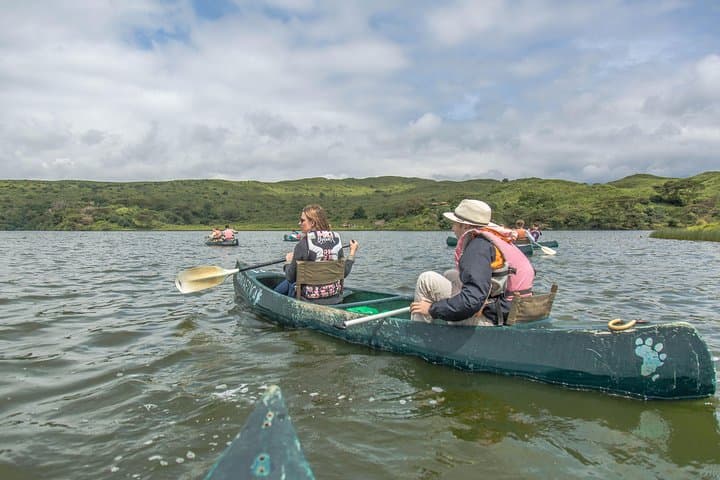
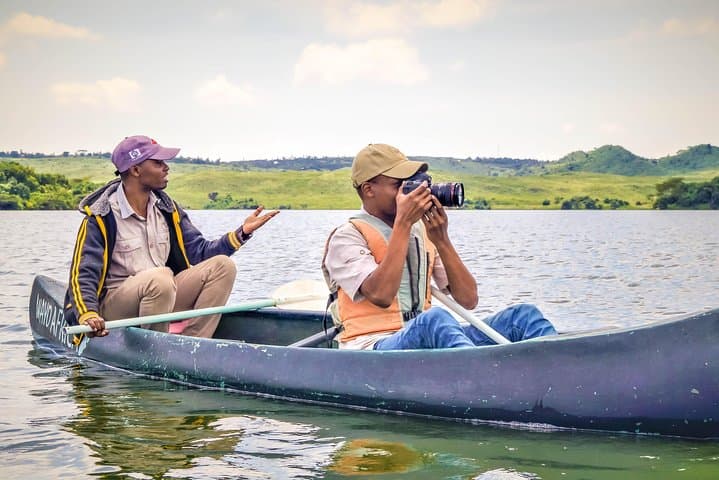
Arusha National Park is small by Tanzanian standards but geologically diverse: volcanic soils from Mount Meru, a dramatic crater (Ngurdoto), and the alkaline Momella Lakes that attract pink-flushed flamingos. The park’s history is tied to local Maasai and Meru communities and Tanzania’s early conservation efforts in the mid-20th century, meaning wildlife sightings are often framed by cultural landscapes as much as by ecology.
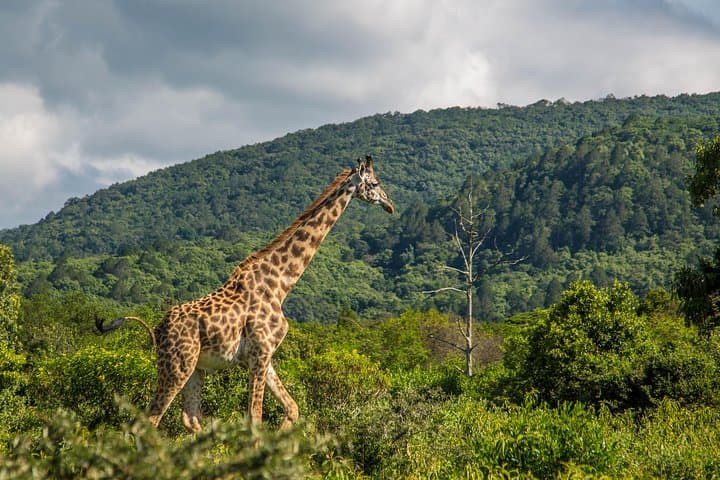
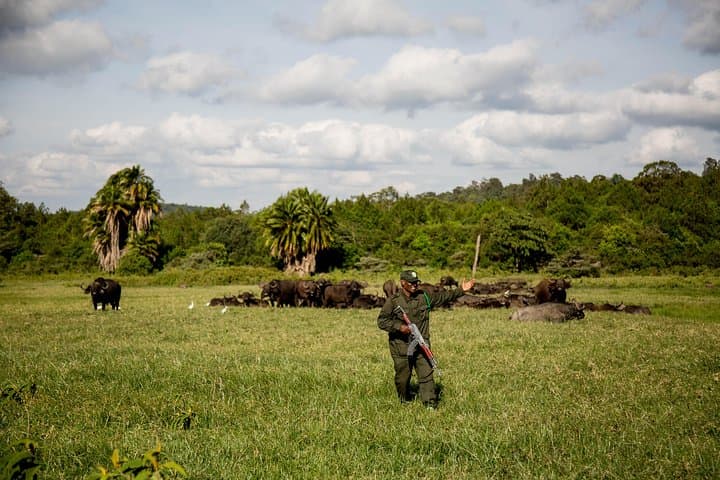
On a day trip from Arusha town expect vehicle-led game drives with frequent short walks — watch for giraffe browsing, zebra herds, Cape buffalo and colorful waterfowl. Guides read the land like a map: spoor along dry riverbeds, egrets riding on buffalo backs, and colobus monkeys chattering in the canopy.
Practical notes: tours run about nine hours including hotel pickup, a packed lunch, park circulation, and a few guided walks; bring sun protection, at least 2 liters of water, and binoculars for distant sightings. Wear closed shoes for short hikes and layers for changing temperatures near the crater rim. Midday is hottest and best for open plains; early morning and late afternoon boosts mammal activity and golden light for photos.
Stay on established tracks, pack out trash, and coordinate pickup times with your operator — a full day here gives a compact but rich safari without a long transfer from Arusha town.
easy.
9 hours.
Suitable for most fitness levels; involves vehicle-based game drives with a few short, mostly flat walks
This tour’s itinerary lists admission included; confirm at booking whether park entry and conservation levies are covered in your rate.
Yes—most day trips include pickup and drop-off from Arusha hotels; your exact pickup point is requested at booking.
The operator notes wheelchair-accessible transportation and surfaces for much of the experience, but inquire about specific vehicle and trail needs when booking.
Dry months (June–October) generally concentrate wildlife around water sources; early morning and late afternoon game drives increase sighting chances.
Arusha National Park was designated in the mid-20th century and reflects early Tanzanian conservation efforts that protect Mount Meru’s lower slopes and unique lake systems.
Stick to marked tracks, avoid feeding wildlife, and support operators that contribute to park fees—these practices reduce disturbance and fund maintenance.
Tribetz Tours & Safaris operates guided outdoor trips and adventures with an emphasis on safety, stewardship, and memorable experiences.
You step out of Arusha’s early-morning haze into a private vehicle that threads toward Mount Meru’s lower slopes, the road opening into a plain where acacia and fever trees lean into the wind. The air changes here — cooler, bird calls sharper — and the first zebra patches appear like hand-painted strokes against rust-colored soil.
You step out of Arusha’s early-morning haze into a private vehicle that threads toward Mount Meru’s lower slopes, the road opening into a plain where acacia and fever trees lean into the wind. The air changes here — cooler, bird calls sharper — and the first zebra patches appear like hand-painted strokes against rust-colored soil.
Arusha National Park is small by Tanzanian standards but geologically diverse: volcanic soils from Mount Meru, a dramatic crater (Ngurdoto), and the alkaline Momella Lakes that attract pink-flushed flamingos. The park’s history is tied to local Maasai and Meru communities and Tanzania’s early conservation efforts in the mid-20th century, meaning wildlife sightings are often framed by cultural landscapes as much as by ecology.
On a day trip from Arusha town expect vehicle-led game drives with frequent short walks — watch for giraffe browsing, zebra herds, Cape buffalo and colorful waterfowl. Guides read the land like a map: spoor along dry riverbeds, egrets riding on buffalo backs, and colobus monkeys chattering in the canopy.
Practical notes: tours run about nine hours including hotel pickup, a packed lunch, park circulation, and a few guided walks; bring sun protection, at least 2 liters of water, and binoculars for distant sightings. Wear closed shoes for short hikes and layers for changing temperatures near the crater rim. Midday is hottest and best for open plains; early morning and late afternoon boosts mammal activity and golden light for photos.
Stay on established tracks, pack out trash, and coordinate pickup times with your operator — a full day here gives a compact but rich safari without a long transfer from Arusha town.