THE ADVENTURE COLLECTIVE® · Independent discovery and booking for outdoor travel

Spend a private day moving through the Sacred Valley’s highlights: Pisac’s ruins and market, the concentric labs at Moray, the salt pans of Maras and the fortress town of Ollantaytambo. This practical guide explains what to expect, how to prepare for altitude and the best photo moments.
Spend a private day moving through the Sacred Valley’s highlights: Pisac’s ruins and market, the concentric labs at Moray, the salt pans of Maras and the fortress town of Ollantaytambo. This practical guide explains what to expect, how to prepare for altitude and the best photo moments.
You step out of the van into high, thin air and a valley that still works like a living blueprint of Inca agriculture. Terraces march up the hillsides, llamas pause like punctuation, and the Vilcanota River threads the valley floor, daring you to look farther.
Verified experiences and guided adventures in the surrounding area.
Operated by Peru4Fun Servicios Turísticos EIRL · Ollantaytambo, Cusco Region
You step out of the van into high, thin air and a valley that still works like a living blueprint of Inca agriculture. Terraces march up the hillsides, llamas pause like punctuation, and the Vilcanota River threads the valley floor, daring you to look farther.
This full-day private circuit stitches together Pisac’s hilltop ruins and market, the concentric agricultural experiments at Moray, the otherworldly salt pans of Maras, the textile village of Chinchero and the fortress town of Ollantaytambo. The valley’s stonework and irrigation channels speak to engineering ambitions: terraces cut to reduce erosion, microclimates coaxed from concentric bowls and trade routes that once fed Cusco.
Expect dry, dusty tracks, steep stone stairways, and wide vistas where wind has a voice. Local culture remains tactile — markets hum with weavers, and small altarpieces and coca leaves are common offerings. Guides typically fold history, geology and Andean cosmology into the route, explaining soil types, terrace microclimates and the social life of small communities.
Practical note: the day is long and high — altitudes range from about 2,900m in Pisac to 3,760m in Chinchero. Plan for layered clothing, sun protection, and steady hydration. Walks at each site are short-to-moderate but include uneven steps and loose stones; good footwear matters more than speed. Have small bills for markets and a camera ready — light shifts fast over the terraces and salt pans, and the valley rewards those who move patiently and notice details.
moderate.
8–12 hours.
Should be comfortable walking short steep sections and stairs at altitude; basic stamina for a long day required
Each archaeological site involves short-to-moderate uphill walks and stairs; expect repeated 20–45 minute walking segments plus some standing while the guide explains features.
Yes — the standard private package typically includes admission fees and a buffet lunch with valley views, but confirm when booking.
Some visitors experience mild symptoms (headache, fatigue). Allow time in Cusco beforehand, hydrate, avoid alcohol, and mention severe symptoms to your guide immediately.
Bring Peruvian soles for market purchases, tips and small fees; cards may not be accepted at artisan stalls or bathrooms.
The Sacred Valley was central to Inca food production and ceremonial life; terraces, irrigation and experimental plots like Moray show imperial agricultural innovation.
High visitor numbers can erode terraces and disturb local irrigation; stick to marked paths, support community-run workshops and avoid single-use plastics.
Peru4Fun Servicios Turísticos EIRL operates guided outdoor trips and adventures with an emphasis on safety, stewardship, and memorable experiences.

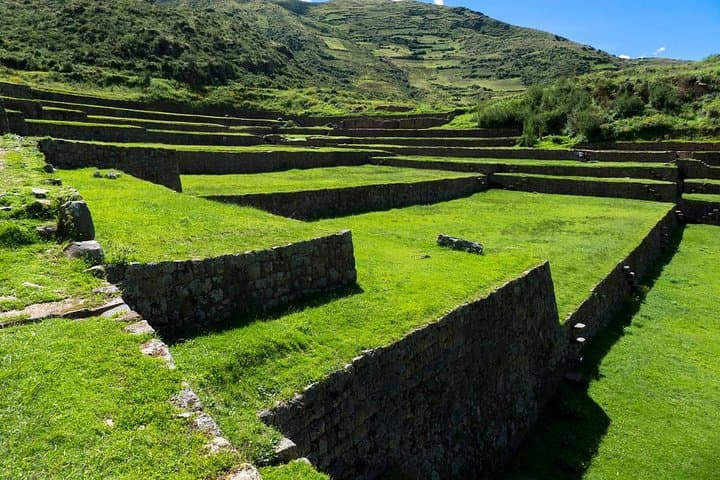

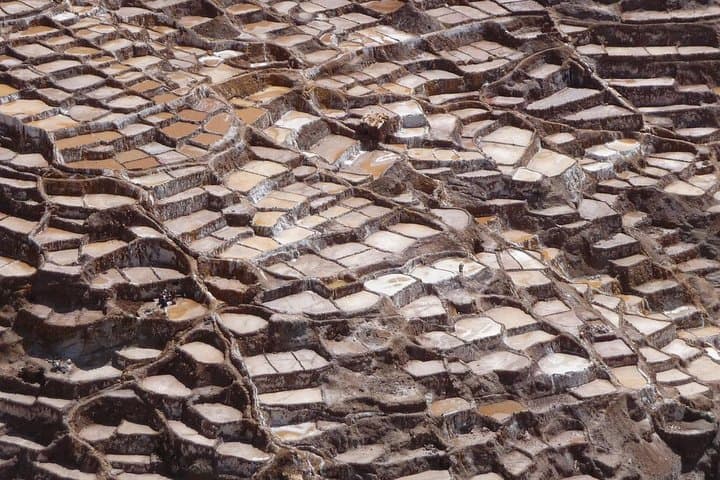
You step out of the van into high, thin air and a valley that still works like a living blueprint of Inca agriculture. Terraces march up the hillsides, llamas pause like punctuation, and the Vilcanota River threads the valley floor, daring you to look farther.
You step out of the van into high, thin air and a valley that still works like a living blueprint of Inca agriculture. Terraces march up the hillsides, llamas pause like punctuation, and the Vilcanota River threads the valley floor, daring you to look farther.
This full-day private circuit stitches together Pisac’s hilltop ruins and market, the concentric agricultural experiments at Moray, the otherworldly salt pans of Maras, the textile village of Chinchero and the fortress town of Ollantaytambo. The valley’s stonework and irrigation channels speak to engineering ambitions: terraces cut to reduce erosion, microclimates coaxed from concentric bowls and trade routes that once fed Cusco.
Expect dry, dusty tracks, steep stone stairways, and wide vistas where wind has a voice. Local culture remains tactile — markets hum with weavers, and small altarpieces and coca leaves are common offerings. Guides typically fold history, geology and Andean cosmology into the route, explaining soil types, terrace microclimates and the social life of small communities.
Practical note: the day is long and high — altitudes range from about 2,900m in Pisac to 3,760m in Chinchero. Plan for layered clothing, sun protection, and steady hydration. Walks at each site are short-to-moderate but include uneven steps and loose stones; good footwear matters more than speed. Have small bills for markets and a camera ready — light shifts fast over the terraces and salt pans, and the valley rewards those who move patiently and notice details.