
Full-Day Sacred Valley Tour: Pisac, Ollantaytambo and Andean Landscapes
Travel the Vilcanota River corridor from Pisac to Ollantaytambo on a six-hour tour that combines Inca terraces, living archaeological sites and bustling handicraft markets. Learn how altitude, geology and irrigation shaped the valley’s role as the region’s food basket while taking practical tips for a safe day out.
An Adventure In Cusco.
Travel the Vilcanota River corridor from Pisac to Ollantaytambo on a six-hour tour that combines Inca terraces, living archaeological sites and bustling handicraft markets. Learn how altitude, geology and irrigation shaped the valley’s role as the region’s food basket while taking practical tips for a safe day out.
Read the full experience
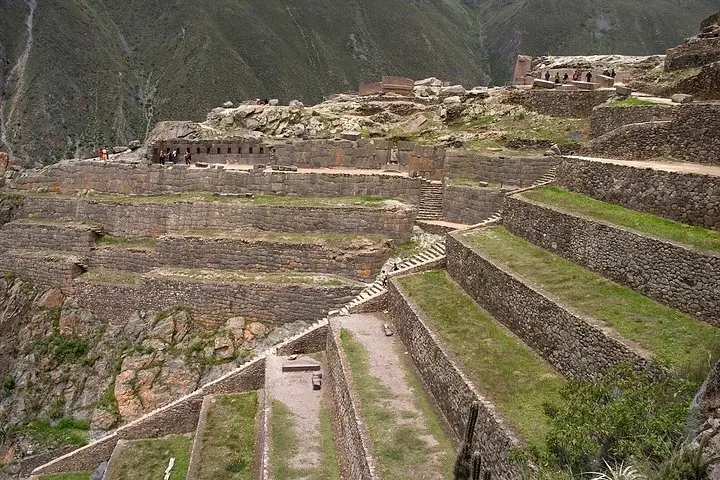
Early morning light unspools across terraced slopes as the bus follows the Vilcanota (Urubamba) River, the valley’s current daring you toward the high stone farms of the Incas. Over six hours you move between cultivated fields and cobbled village streets, pausing where the land still holds the line of pre-Hispanic engineering: stepped terraces, irrigation channels, and fortress-like ceremonial centers.
Early morning light unspools across terraced slopes as the bus follows the Vilcanota (Urubamba) River, the valley’s current daring you toward the high stone farms of the Incas. Over six hours you move between cultivated fields and cobbled village streets, pausing where the land still holds the line of pre-Hispanic engineering: stepped terraces, irrigation channels, and fortress-like ceremonial centers.
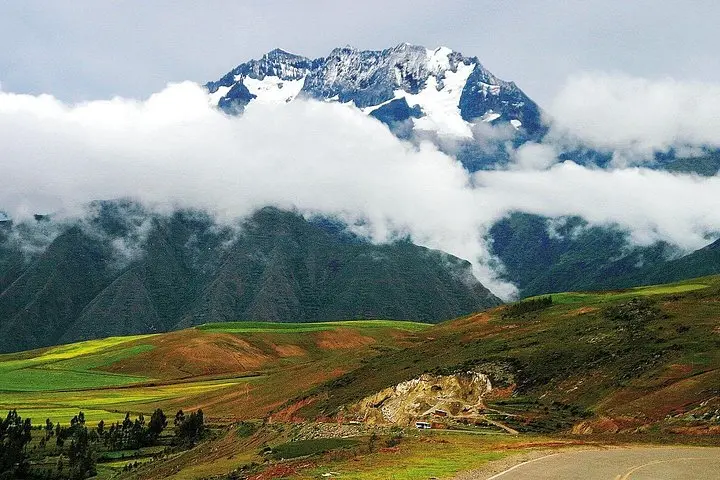
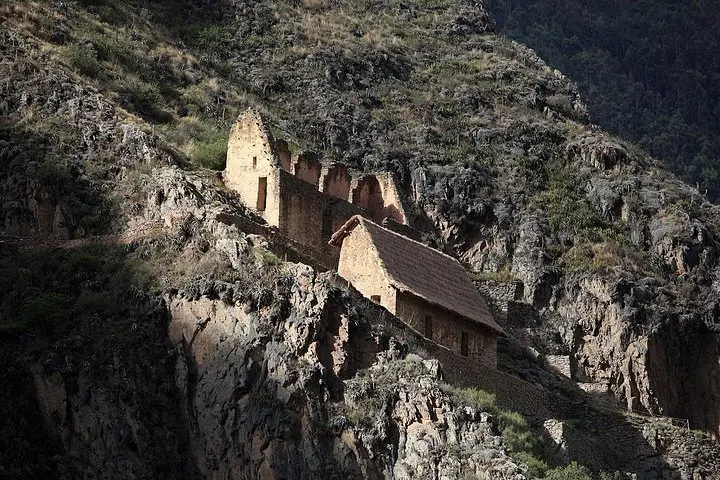
The Sacred Valley’s elevation falls from Cusco’s 3,400 m down into river valleys around 2,800–3,200 m, a gradient that shaped Inca agriculture and settlement patterns. Pisac’s cliffside terraces and cemetery reflect precise agricultural zoning; Ollantaytambo’s defensive layouts and living Inca streets show a community built for both cultivation and control. The geology—folded Andean schists and glacially carved riverbeds—gives way to pockets of fertile alluvial soil that made this valley the region’s breadbasket.
Expect short, uneven walks (stone steps and packed dirt), open-air markets where negotiation is part of the visit, and a mix of cultural interpretation from guides fluent in English and Spanish. Sun, wind and sudden showers are all possible; layers and sun protection are essential. Hydrate thoroughly before and during the day and move slowly on steeper stone stairways to manage altitude effects.
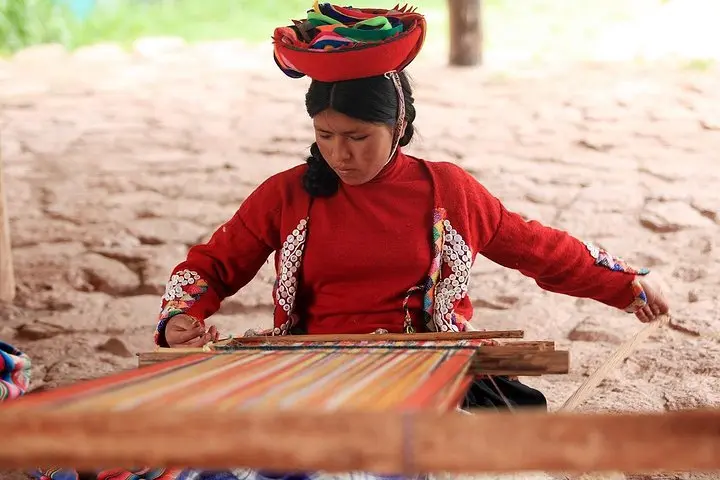
Practical notes: the tour is primarily a one-day driven itinerary with multiple stops—textile centers, Pisac ruins, craft markets, and Ollantaytambo—lasting about six hours on the road with guided stops. Bring small bills for market purchases and allow time to absorb the landscape: in the Sacred Valley, the cultivated slopes and river voice the region’s enduring relationship between people and place.
Frequently asked questions
The tour lasts about six hours total with multiple short walks at each stop—expect 10–45 minute walks on uneven stone terraces and through markets.
Entrance fees to state archaeological sites are commonly required and may not be included by default—confirm with the operator before booking.
Yes—the valley sits between roughly 2,800–3,400 m; spend time in Cusco or the valley to acclimatize, move slowly, and hydrate to reduce symptoms.
Guides typically speak English or Spanish (not always bilingual) and meals are usually not included unless specified—check the tour details when booking.
About This Experience
Peru Sightseeing - Day Tours operates guided outdoor trips and adventures with an emphasis on safety, stewardship, and memorable experiences.
Adventure tips
Recommended gear
- Sturdy walking shoes: Provide traction on Inca stone steps and uneven dirt paths.
- Layered clothing and windproof jacket: Temperature can swing quickly with elevation and sun exposure.
- Water bottle (1–2 L): Hydration is key at altitude and during active walking.
- Sun protection (sunscreen, hat, sunglasses): High-altitude sun requires reliable protection year-round, particularly in the dry season.
Photos of the experience
Related adventures & guides
Read the full experience
Early morning light unspools across terraced slopes as the bus follows the Vilcanota (Urubamba) River, the valley’s current daring you toward the high stone farms of the Incas. Over six hours you move between cultivated fields and cobbled village streets, pausing where the land still holds the line of pre-Hispanic engineering: stepped terraces, irrigation channels, and fortress-like ceremonial centers.
Early morning light unspools across terraced slopes as the bus follows the Vilcanota (Urubamba) River, the valley’s current daring you toward the high stone farms of the Incas. Over six hours you move between cultivated fields and cobbled village streets, pausing where the land still holds the line of pre-Hispanic engineering: stepped terraces, irrigation channels, and fortress-like ceremonial centers.
The Sacred Valley’s elevation falls from Cusco’s 3,400 m down into river valleys around 2,800–3,200 m, a gradient that shaped Inca agriculture and settlement patterns. Pisac’s cliffside terraces and cemetery reflect precise agricultural zoning; Ollantaytambo’s defensive layouts and living Inca streets show a community built for both cultivation and control. The geology—folded Andean schists and glacially carved riverbeds—gives way to pockets of fertile alluvial soil that made this valley the region’s breadbasket.
Expect short, uneven walks (stone steps and packed dirt), open-air markets where negotiation is part of the visit, and a mix of cultural interpretation from guides fluent in English and Spanish. Sun, wind and sudden showers are all possible; layers and sun protection are essential. Hydrate thoroughly before and during the day and move slowly on steeper stone stairways to manage altitude effects.
Practical notes: the tour is primarily a one-day driven itinerary with multiple stops—textile centers, Pisac ruins, craft markets, and Ollantaytambo—lasting about six hours on the road with guided stops. Bring small bills for market purchases and allow time to absorb the landscape: in the Sacred Valley, the cultivated slopes and river voice the region’s enduring relationship between people and place.
Make a day of it nearby.
Verified experiences and guided adventures in the surrounding area.