THE ADVENTURE COLLECTIVE® · Independent discovery and booking for outdoor travel

Spend a day exploring the Sacred Valley’s standout sites—Moray’s circular terraces, the glistening Maras salt pans, Ollantaytambo’s fortress, and Písac’s cliffside ruins—on a guided small-group tour from Cusco with lunch and transport included.
Spend a day exploring the Sacred Valley’s standout sites—Moray’s circular terraces, the glistening Maras salt pans, Ollantaytambo’s fortress, and Písac’s cliffside ruins—on a guided small-group tour from Cusco with lunch and transport included.
You step out of Cusco’s thin air into a valley of stone and sunlight, the Andes opening around you like a series of ancient amphitheaters. The road hums with the bus's engine as villages roll past—fields of quinoa and terraces stacked against slopes—and the guide points toward the first stop: Chinchero’s high terraces where the wind strings wool-dyers’ colors across the plaza.
Verified experiences and guided adventures in the surrounding area.
Operated by Zarate Adventours · Ollantaytambo, Cusco Region
You step out of Cusco’s thin air into a valley of stone and sunlight, the Andes opening around you like a series of ancient amphitheaters. The road hums with the bus's engine as villages roll past—fields of quinoa and terraces stacked against slopes—and the guide points toward the first stop: Chinchero’s high terraces where the wind strings wool-dyers’ colors across the plaza.
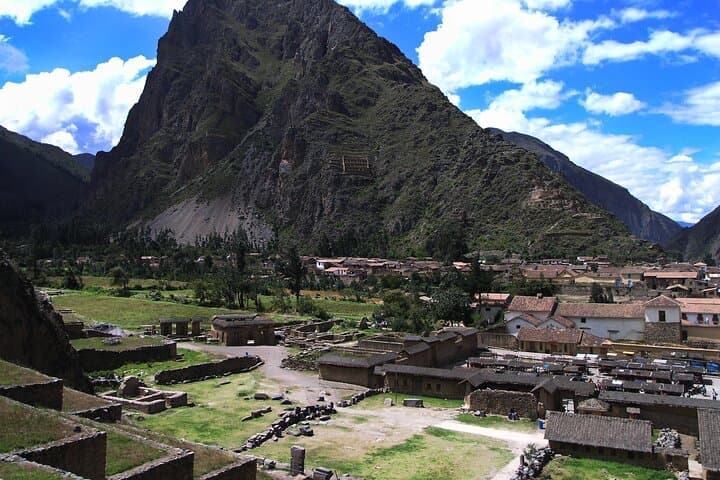
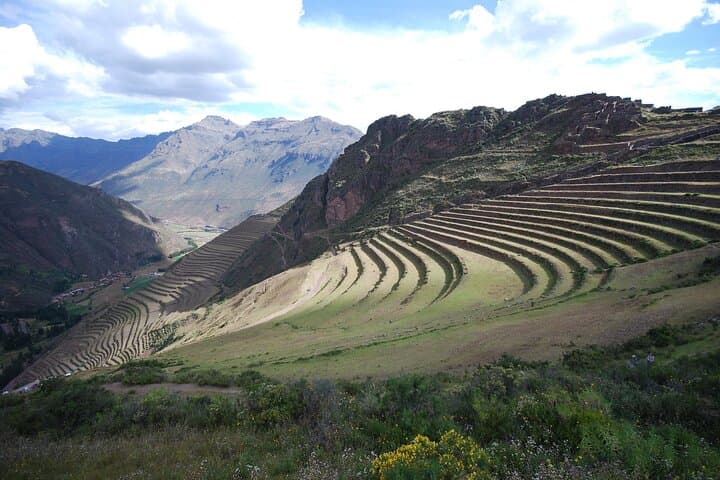
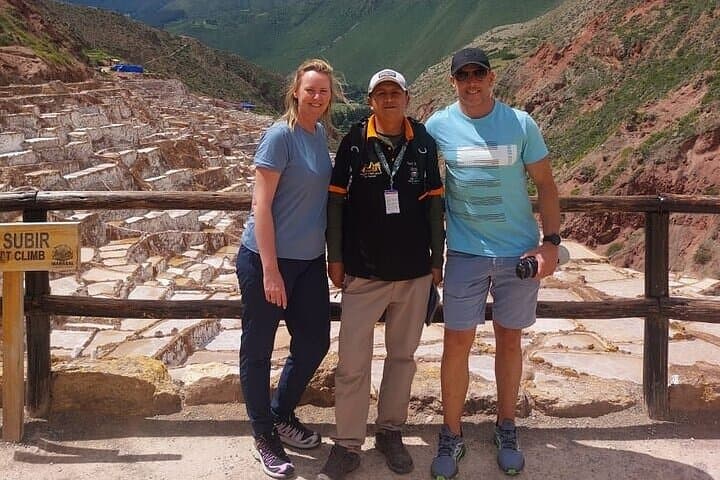
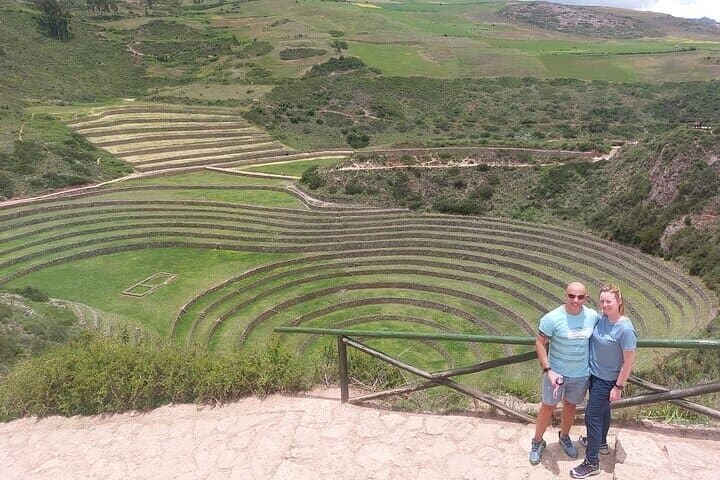
This loop through the Sacred Valley stitches together Inca engineering and colonial-era towns. Moray’s concentric agricultural bowls reveal a clever microclimate system—each ring a different temperature and soil depth—while the Maras salineras are an earthen honeycomb of evaporation pools fed by a mineral spring that locals have managed since pre-Inca times. Ollantaytambo stands as a living fortress with massive carved stones and uphill terraces, and Písac’s cemetery and ramparts offer sweeping views of the Urubamba River threading the valley.
Expect dry, high-altitude sun, uneven stonework underfoot, and short, sometimes steep walks at each site. The day typically includes pickup in Cusco, an AC vehicle, a sit-down lunch in Urubamba, and a small group pace that leaves time for photos and short explorations. Bring layers for sharp temperature swings, sturdy shoes for cobbled terraces, water for altitude, and a lightweight rain shell in the shoulder seasons. Acclimatize in Cusco for at least a day, keep a steady pace, and allow extra minutes for photo stops—these sites reward curiosity and a slow eye.
moderate.
8–12 hours.
Moderate fitness; you should be comfortable walking on uneven terrain and climbing short flights of stone steps at altitude.
The tour is a full-day excursion covering Chinchero, Moray, Maras salt mines, lunch in Urubamba, Ollantaytambo, and Písac before returning to Cusco.
The tour is accessible by vehicle, but archaeological sites involve uneven stone, stairs, and short hikes—those with serious mobility issues may find some areas challenging.
Lunch in Urubamba is included; advise dietary restrictions at booking so the operator can accommodate them when possible.
Yes—altitude can affect visitors. Allow time in Cusco to acclimatize, hydrate, and avoid heavy alcohol the night before.
The Sacred Valley was a core agricultural and administrative region for the Incas; sites like Moray show advanced pre-Columbian experimentation with microclimates, while Ollantaytambo remained an occupied Inca stronghold during the Spanish conquest.
Visitors are encouraged to stay on marked paths to protect fragile terraces and salt pans; support local economies by buying crafts directly from artisan cooperatives.
Zarate Adventours operates guided outdoor trips and adventures with an emphasis on safety, stewardship, and memorable experiences.
You step out of Cusco’s thin air into a valley of stone and sunlight, the Andes opening around you like a series of ancient amphitheaters. The road hums with the bus's engine as villages roll past—fields of quinoa and terraces stacked against slopes—and the guide points toward the first stop: Chinchero’s high terraces where the wind strings wool-dyers’ colors across the plaza.
You step out of Cusco’s thin air into a valley of stone and sunlight, the Andes opening around you like a series of ancient amphitheaters. The road hums with the bus's engine as villages roll past—fields of quinoa and terraces stacked against slopes—and the guide points toward the first stop: Chinchero’s high terraces where the wind strings wool-dyers’ colors across the plaza.
This loop through the Sacred Valley stitches together Inca engineering and colonial-era towns. Moray’s concentric agricultural bowls reveal a clever microclimate system—each ring a different temperature and soil depth—while the Maras salineras are an earthen honeycomb of evaporation pools fed by a mineral spring that locals have managed since pre-Inca times. Ollantaytambo stands as a living fortress with massive carved stones and uphill terraces, and Písac’s cemetery and ramparts offer sweeping views of the Urubamba River threading the valley.
Expect dry, high-altitude sun, uneven stonework underfoot, and short, sometimes steep walks at each site. The day typically includes pickup in Cusco, an AC vehicle, a sit-down lunch in Urubamba, and a small group pace that leaves time for photos and short explorations. Bring layers for sharp temperature swings, sturdy shoes for cobbled terraces, water for altitude, and a lightweight rain shell in the shoulder seasons. Acclimatize in Cusco for at least a day, keep a steady pace, and allow extra minutes for photo stops—these sites reward curiosity and a slow eye.