THE ADVENTURE COLLECTIVE® · Independent discovery and booking for outdoor travel

Spend a day exploring the Sacred Valley’s dramatic terraces, hand-harvested salt pans and a buffet of regional cuisine. This guided loop from Cusco combines archaeology, living Andean agriculture, and small-scale craft markets.
Spend a day exploring the Sacred Valley’s dramatic terraces, hand-harvested salt pans and a buffet of regional cuisine. This guided loop from Cusco combines archaeology, living Andean agriculture, and small-scale craft markets.
The bus eases out of Cusco before dawn, mountain air sharpening as the valley opens up into highland terraces and salt pans that glitter like a patchwork of small mirrors. On a full-day loop through the Sacred Valley you move between scales: from the tight concentric bowls of Moray’s experimental Inca terraces to the horizontal terraces of agricultural settlements and the honeycomb of Salineras de Maras.
Verified experiences and guided adventures in the surrounding area.
Operated by Golden Wayki · Cusco, Cusco Region
The bus eases out of Cusco before dawn, mountain air sharpening as the valley opens up into highland terraces and salt pans that glitter like a patchwork of small mirrors. On a full-day loop through the Sacred Valley you move between scales: from the tight concentric bowls of Moray’s experimental Inca terraces to the horizontal terraces of agricultural settlements and the honeycomb of Salineras de Maras.
Geology here is visible and worked—steep Andean slopes cut by the Urubamba River, terraces built into erodible volcanic soils and irrigation systems that carry microclimates. Culture is equally tangible: woven textiles explained by local weavers, Andean crops still trialed in concentric rings at Moray, and salt extracted by hand at Maras for centuries.
Expect walking on uneven stone paths and short stairways, frequent photo stops, and a guided interpretation that links landscape with Inca engineering and contemporary livelihoods. A buffet lunch at a recognized Sacred Valley restaurant breaks the day and showcases regional produce—potatoes, maize, quinoa, and Andean herbs.
Practical notes: acclimatize in Cusco the day before, carry sun protection and a reusable water bottle, and keep small bills for craft markets and snacks. Start early to avoid the largest crowds at prime viewpoints; the itinerary is paced for a mixed-ability group but includes steep steps and thin air. By sunset you’ll be back in Cusco with a clear sense of why the valley shaped Inca agriculture—and why it still fuels local identity and tourism today.
easy.
11–12 hours.
Suitable for those in reasonable physical condition; includes walking on uneven surfaces and short stair climbs at altitude
Most shared tours include transport and guiding; entrance fees may be included or charged locally—confirm at booking.
Yes—the tour is rated easy and suitable for most fitness levels, but expect stairs and walking at high altitude.
This itinerary includes a buffet lunch at a recognized Sacred Valley restaurant; snacks and drinks outside lunch are generally extra.
Tours typically offer hotel pickup within central Cusco—verify pickup details and meeting point when you confirm your reservation.
The Sacred Valley was a core agricultural and administrative region for the Inca empire; sites like Moray demonstrate ancient experimentation with elevation-based microclimates.
Tourism supports local economies but also stresses water and waste systems; choose providers who follow waste-minimization and support community businesses.
Golden Wayki operates guided outdoor trips and adventures with an emphasis on safety, stewardship, and memorable experiences.
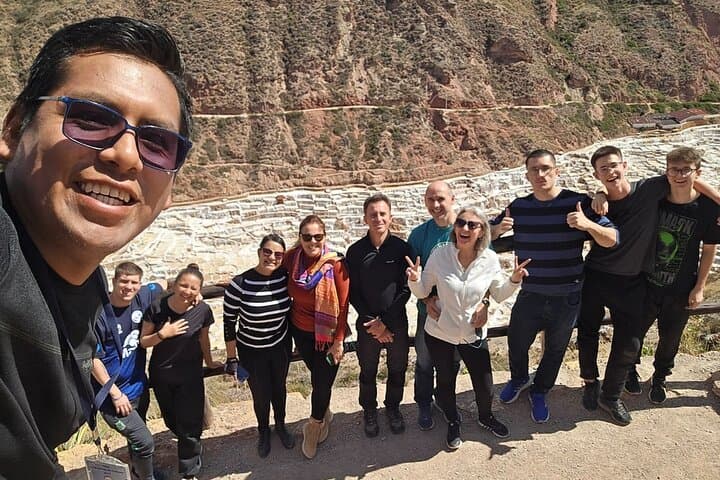
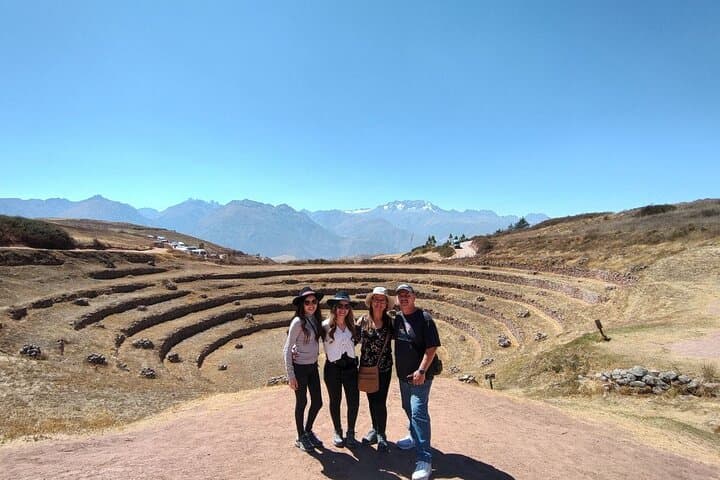
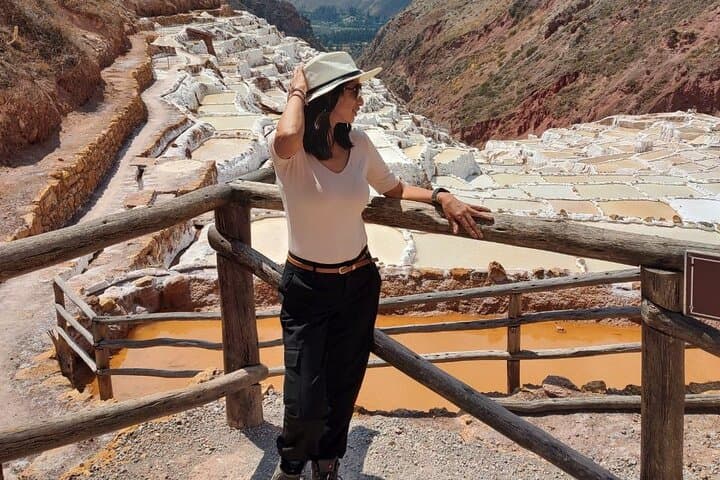
The bus eases out of Cusco before dawn, mountain air sharpening as the valley opens up into highland terraces and salt pans that glitter like a patchwork of small mirrors. On a full-day loop through the Sacred Valley you move between scales: from the tight concentric bowls of Moray’s experimental Inca terraces to the horizontal terraces of agricultural settlements and the honeycomb of Salineras de Maras.
The bus eases out of Cusco before dawn, mountain air sharpening as the valley opens up into highland terraces and salt pans that glitter like a patchwork of small mirrors. On a full-day loop through the Sacred Valley you move between scales: from the tight concentric bowls of Moray’s experimental Inca terraces to the horizontal terraces of agricultural settlements and the honeycomb of Salineras de Maras.
Geology here is visible and worked—steep Andean slopes cut by the Urubamba River, terraces built into erodible volcanic soils and irrigation systems that carry microclimates. Culture is equally tangible: woven textiles explained by local weavers, Andean crops still trialed in concentric rings at Moray, and salt extracted by hand at Maras for centuries.
Expect walking on uneven stone paths and short stairways, frequent photo stops, and a guided interpretation that links landscape with Inca engineering and contemporary livelihoods. A buffet lunch at a recognized Sacred Valley restaurant breaks the day and showcases regional produce—potatoes, maize, quinoa, and Andean herbs.
Practical notes: acclimatize in Cusco the day before, carry sun protection and a reusable water bottle, and keep small bills for craft markets and snacks. Start early to avoid the largest crowds at prime viewpoints; the itinerary is paced for a mixed-ability group but includes steep steps and thin air. By sunset you’ll be back in Cusco with a clear sense of why the valley shaped Inca agriculture—and why it still fuels local identity and tourism today.