THE ADVENTURE COLLECTIVE® · Independent discovery and booking for outdoor travel

Spend a full day tracing Inca terraces, artisan markets and living stone streets in the Sacred Valley. This Cusco-based excursion packs Pisac, Urubamba, Ollantaytambo and Chinchero into an accessible 8–10 hour cultural and landscape tour.
Spend a full day tracing Inca terraces, artisan markets and living stone streets in the Sacred Valley. This Cusco-based excursion packs Pisac, Urubamba, Ollantaytambo and Chinchero into an accessible 8–10 hour cultural and landscape tour.
A chill in the high Andes air meets the first light as a minivan drops you off at a lookout above the Sacred Valley. Terraces step down like carved platforms, the Urubamba River threading the valley floor while distant peaks watch. The day moves with purpose: a mountaintop Inca complex, a bustling artisan market, a riverside lunch, stone streets that still carry the rhythm of llamas and locals.
Verified experiences and guided adventures in the surrounding area.
Operated by Peru Grand Travel · Cusco, Cusco
A chill in the high Andes air meets the first light as a minivan drops you off at a lookout above the Sacred Valley. Terraces step down like carved platforms, the Urubamba River threading the valley floor while distant peaks watch. The day moves with purpose: a mountaintop Inca complex, a bustling artisan market, a riverside lunch, stone streets that still carry the rhythm of llamas and locals.
The valley was shaped by millennia of Andean agriculture and Inca engineering—terraces, irrigation channels and hilltop fortresses placed for control of routes and crops. Geology here is folded sedimentary rock and volcanic deposits, worn by glaciers and river incision into dramatic cliffs and fertile benches. Chinchero preserves Inca walls integrated into colonial plazas; Ollantaytambo remains a living village whose urban grid dates to imperial planning.
Practically, expect an 8–10 hour day with multiple short walks at altitudes between about 2,700–3,400 m. Paths range from paved streets to uneven stone steps and steep terraces; benches and viewpoints often require short climbs. Guides usually include round-trip transport from Cusco, a buffet lunch in Urubamba, and stops at Pisac, Ollantaytambo and Chinchero.
Bring layers for strong sun and sudden wind, hydrate to handle altitude, and allow extra time to move between sites. Market bargaining is common—handle textiles with respect and ask before photographing artisans. The route is ideal for travelers who want a compact, culturally rich introduction to Andean landscapes without technical hiking.
easy.
8–10 hours.
Suitable for travelers in average condition who can handle multiple short walks and stair climbs at high altitude.
Entrance fees are often not included in tour price—confirm with the operator; many tours stop at viewpoints and external markets without paying admissions.
Typical duration is 8–10 hours with hotel pickup in Cusco between 7:30–8:00 a.m., returning around early evening.
The Sacred Valley sits lower than Cusco but altitude effects can still occur; acclimatize in Cusco, hydrate, and avoid alcohol the night before.
Most lunches are buffet style with local options; inform the operator of dietary restrictions in advance so they can arrange alternatives.
The Sacred Valley was an agricultural backbone for the Inca Empire, organized into terraces and storehouses to feed Cusco; many villages retain both pre-Columbian and colonial layers.
Tourism pressure affects fragile terraces and water systems—stick to paths, avoid trampling crops, and support local cooperatives to keep economic benefits local.
Peru Grand Travel operates guided outdoor trips and adventures with an emphasis on safety, stewardship, and memorable experiences.
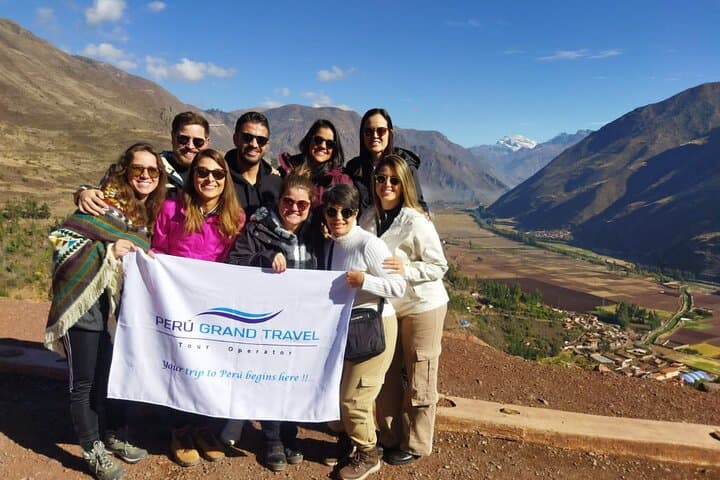
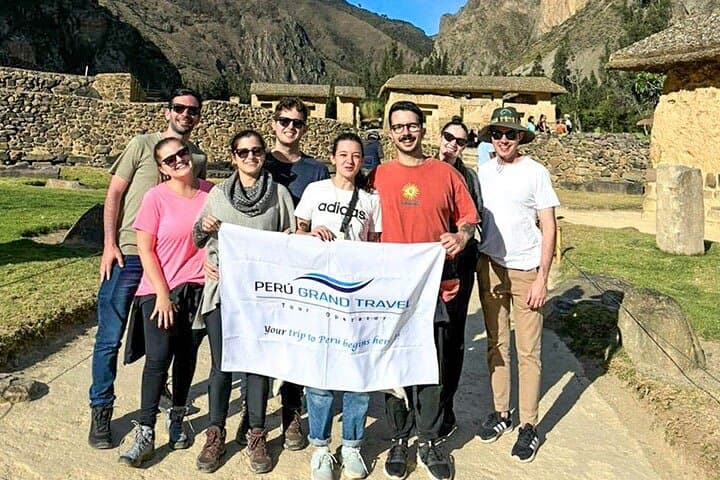
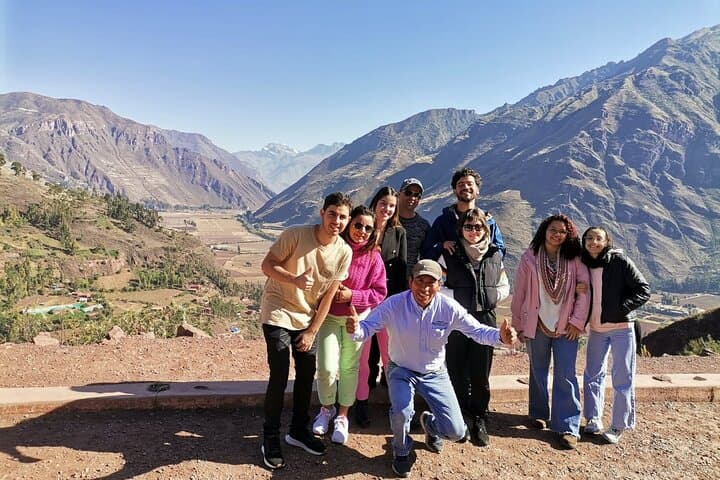
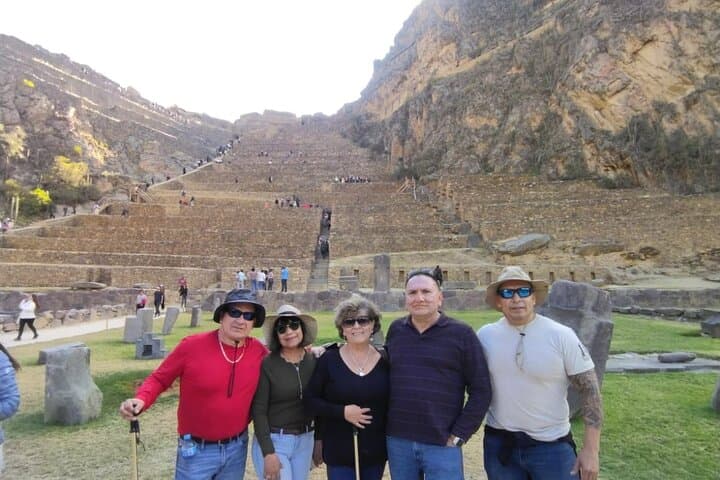
A chill in the high Andes air meets the first light as a minivan drops you off at a lookout above the Sacred Valley. Terraces step down like carved platforms, the Urubamba River threading the valley floor while distant peaks watch. The day moves with purpose: a mountaintop Inca complex, a bustling artisan market, a riverside lunch, stone streets that still carry the rhythm of llamas and locals.
A chill in the high Andes air meets the first light as a minivan drops you off at a lookout above the Sacred Valley. Terraces step down like carved platforms, the Urubamba River threading the valley floor while distant peaks watch. The day moves with purpose: a mountaintop Inca complex, a bustling artisan market, a riverside lunch, stone streets that still carry the rhythm of llamas and locals.
The valley was shaped by millennia of Andean agriculture and Inca engineering—terraces, irrigation channels and hilltop fortresses placed for control of routes and crops. Geology here is folded sedimentary rock and volcanic deposits, worn by glaciers and river incision into dramatic cliffs and fertile benches. Chinchero preserves Inca walls integrated into colonial plazas; Ollantaytambo remains a living village whose urban grid dates to imperial planning.
Practically, expect an 8–10 hour day with multiple short walks at altitudes between about 2,700–3,400 m. Paths range from paved streets to uneven stone steps and steep terraces; benches and viewpoints often require short climbs. Guides usually include round-trip transport from Cusco, a buffet lunch in Urubamba, and stops at Pisac, Ollantaytambo and Chinchero.
Bring layers for strong sun and sudden wind, hydrate to handle altitude, and allow extra time to move between sites. Market bargaining is common—handle textiles with respect and ask before photographing artisans. The route is ideal for travelers who want a compact, culturally rich introduction to Andean landscapes without technical hiking.