THE ADVENTURE COLLECTIVE® · Independent discovery and booking for outdoor travel

Explore the Sacred Valley in a day: artisan Chinchero, the fortress town of Ollantaytambo, and Pisac’s mountain terraces. This practical guide covers history, logistics, and what to bring for the 10-hour loop from Cusco.
Explore the Sacred Valley in a day: artisan Chinchero, the fortress town of Ollantaytambo, and Pisac’s mountain terraces. This practical guide covers history, logistics, and what to bring for the 10-hour loop from Cusco.
A thin morning light slices across the Andean ridgelines as the tourist bus climbs out of Cusco, and the Urubamba River begins to dare you with its speed below. By the time the bus eases into Chinchero, the air is clear and cold at 3,762 m, and woven blankets flutter like banners outside family-run workshops.
Verified experiences and guided adventures in the surrounding area.
Operated by Inkayni Peru Tours · Ollantaytambo, Cusco
A thin morning light slices across the Andean ridgelines as the tourist bus climbs out of Cusco, and the Urubamba River begins to dare you with its speed below. By the time the bus eases into Chinchero, the air is clear and cold at 3,762 m, and woven blankets flutter like banners outside family-run workshops.
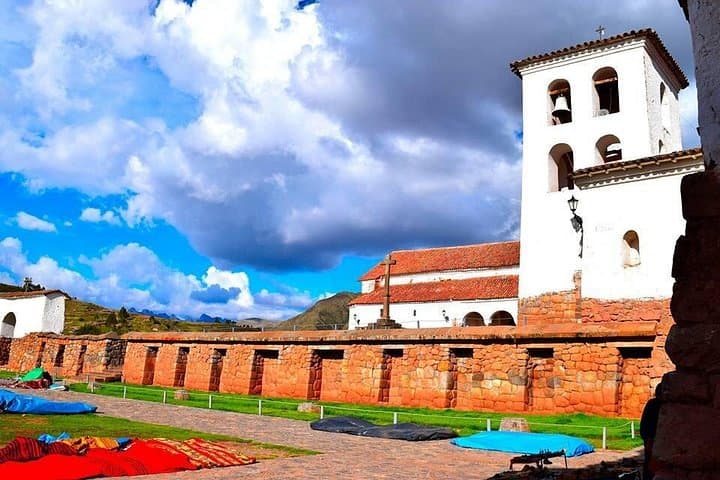
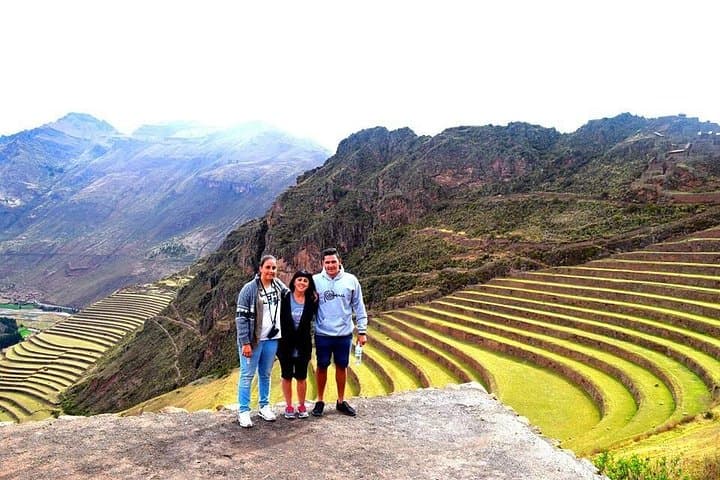
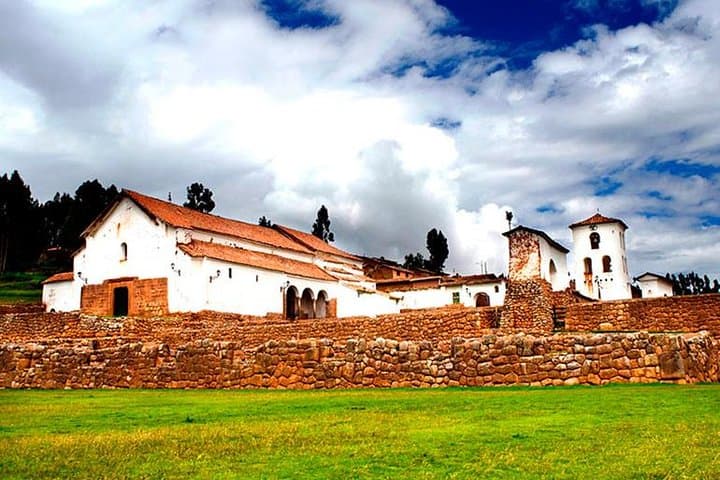
This one-day circuit threads three of the Sacred Valley’s signature stops. Chinchero presents Inca walls and a colonial church where local weavers still dye and spin wool by hand; Ollantaytambo is a functioning Inca town with military terraces and the Temple of the Sun rising above cobbled streets; Pisac perches higher on the mountainside, its agricultural terraces and observatories revealing Inca expertise in stone and sky.
Geology here is visceral: folded volcanic and sedimentary layers tilt into tight ridges, and the river has carved a wide, fertile valley that sustained pre-Columbian agriculture. Culturally, the valley remains a living landscape of Quechua-speaking communities whose weaving patterns and festivals preserve ancestral knowledge.
Practically, expect a full 10-hour day with regular stops, short uphill walks on uneven stone surfaces, and altitude that can sap energy. The standard tourist ticket (Boleto Turístico) is required for the archaeological sites (approx. 130 PEN; student discounts available). Bring layered clothing for strong sun and cold wind, sturdy shoes for terraces and cobbles, water and snacks, and a small amount of local currency for markets. Timing your visit early reduces crowds at Pisac and Ollantaytambo; the rhythm of the valley is best appreciated when you move deliberately, shoes on stone, breath steady.
moderate.
10 hours (full day).
Moderate fitness ideal—able to walk short steep sections and climb uneven stone terraces at altitude.
Yes—the standard Boleto Turístico covers major archaeological sites in the Sacred Valley; partial tickets are available if you plan fewer visits.
Sites range from about 2,700–3,760 m; mild symptoms like breathlessness are common—pace yourself, hydrate, and sit out steep sections if needed.
Yes—there are restaurants in Ollantaytambo and Pisac towns; bring snacks for the bus and remote stops.
Basic facilities exist in town centers and at some visitor areas, but expect limited amenities at higher terraces and archaeological viewpoints.
The Sacred Valley was a critical agricultural and ceremonial region for the Inca—stone terraces and observatories were engineered to maximize microclimates and align with celestial events.
Visitor pressure is managed through entry tickets and local guides; stick to marked paths, avoid touching stonework, and support artisan stalls to benefit local economies.
Inkayni Peru Tours operates guided outdoor trips and adventures with an emphasis on safety, stewardship, and memorable experiences.

A thin morning light slices across the Andean ridgelines as the tourist bus climbs out of Cusco, and the Urubamba River begins to dare you with its speed below. By the time the bus eases into Chinchero, the air is clear and cold at 3,762 m, and woven blankets flutter like banners outside family-run workshops.
A thin morning light slices across the Andean ridgelines as the tourist bus climbs out of Cusco, and the Urubamba River begins to dare you with its speed below. By the time the bus eases into Chinchero, the air is clear and cold at 3,762 m, and woven blankets flutter like banners outside family-run workshops.
This one-day circuit threads three of the Sacred Valley’s signature stops. Chinchero presents Inca walls and a colonial church where local weavers still dye and spin wool by hand; Ollantaytambo is a functioning Inca town with military terraces and the Temple of the Sun rising above cobbled streets; Pisac perches higher on the mountainside, its agricultural terraces and observatories revealing Inca expertise in stone and sky.
Geology here is visceral: folded volcanic and sedimentary layers tilt into tight ridges, and the river has carved a wide, fertile valley that sustained pre-Columbian agriculture. Culturally, the valley remains a living landscape of Quechua-speaking communities whose weaving patterns and festivals preserve ancestral knowledge.
Practically, expect a full 10-hour day with regular stops, short uphill walks on uneven stone surfaces, and altitude that can sap energy. The standard tourist ticket (Boleto Turístico) is required for the archaeological sites (approx. 130 PEN; student discounts available). Bring layered clothing for strong sun and cold wind, sturdy shoes for terraces and cobbles, water and snacks, and a small amount of local currency for markets. Timing your visit early reduces crowds at Pisac and Ollantaytambo; the rhythm of the valley is best appreciated when you move deliberately, shoes on stone, breath steady.