THE ADVENTURE COLLECTIVE® · Independent discovery and booking for outdoor travel

Spend a single day tracing the Inca-engineered landscapes of the Sacred Valley—Chinchero, Moray, Maras, Ollantaytambo and Pisac—on a guided loop from Cusco. Expect terraces, salt pans, textile centers, and panoramic viewpoints with practical guidance for altitude and timing.
Spend a single day tracing the Inca-engineered landscapes of the Sacred Valley—Chinchero, Moray, Maras, Ollantaytambo and Pisac—on a guided loop from Cusco. Expect terraces, salt pans, textile centers, and panoramic viewpoints with practical guidance for altitude and timing.
At first light a minivan threads the steep-sided bowl of the Sacred Valley, dropping from Cusco’s thin-air streets into sun-bathed fields and stone villages.
Verified experiences and guided adventures in the surrounding area.
Operated by Andean Road Peru · Urubamba, Cusco Region
At first light a minivan threads the steep-sided bowl of the Sacred Valley, dropping from Cusco’s thin-air streets into sun-bathed fields and stone villages.
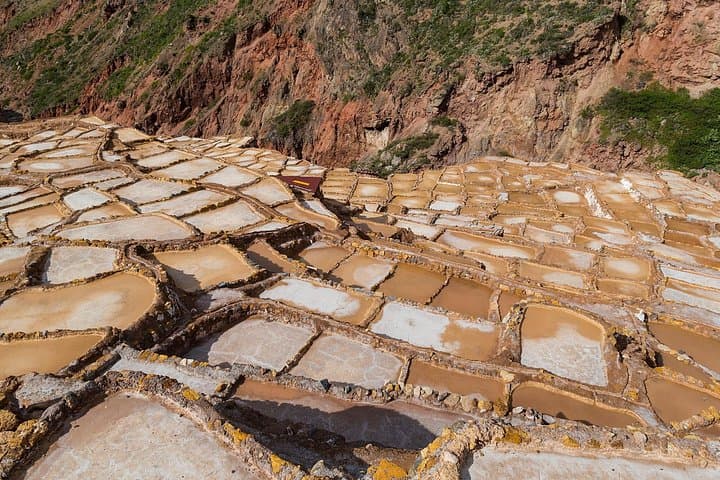
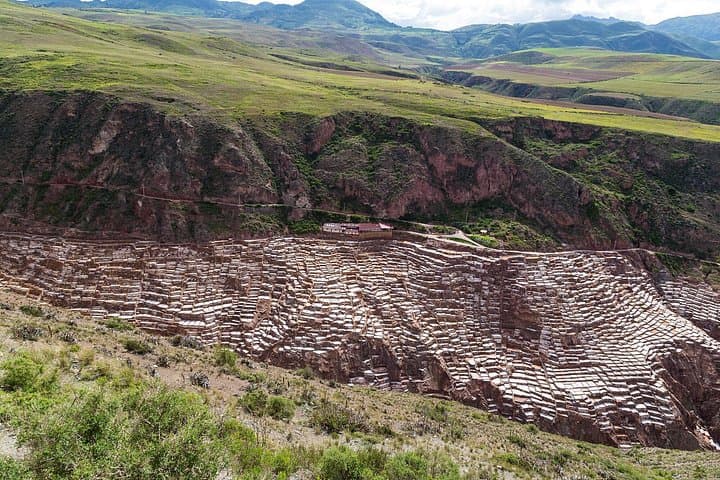
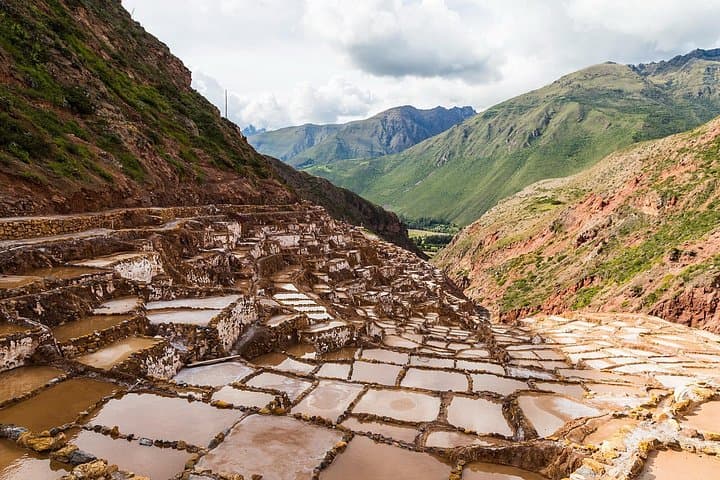
The day moves in measured stages: Chinchero’s Inca masonry and textile cooperatives, the concentric agricultural bowls of Moray where microclimates still whisper of experimentation, the geometric white ponds of the Maras salt pans carved into the hillside, a buffet in Urubamba, the fortress walls of Ollantaytambo, and Pisac’s mountaintop terraces and busy craft market.
Geology here is visible at a glance—the Urubamba River has incised a deep valley through folded Andean strata, creating steep slopes where Incas cut terraces to expand arable land. Culturally the valley remains a living landscape: Quechua-speaking communities tend plots and weave textiles that follow ancestral patterns.
Travelers should expect an active, full-day rhythm: short walks, stair-stepped ruins, and opportunities to stand above wide valley views. Altitude peaks around 3,300–3,600 m (Ollantaytambo, Pisac viewpoints), so pacing and hydration matter. The tour includes hotel pickup, transport, an English–Spanish guide, buffet lunch, and a first-aid kit; admission to some sites may require separate tickets.
Practical tips: wear supportive walking shoes for uneven terraces, layer for high-mountain sun and wind, bring sunscreen and a filled water bottle, and leave extra room in your pack for purchases from local artisans. With an early start (7:00 a.m.) and a late return (~7:30 p.m.), the trip compresses a sweep of Inca engineering, rural life, and sharp Andean panoramas into one accessible day.
easy.
11 hours.
Suitable for travelers in average fitness who can manage multiple short walks and stairs at high altitude.
Yes—pickup from hotels in Cusco is included, usually starting around 7:00 a.m.; confirm your exact pickup point when booking.
Some archaeological sites may require separate entrance tickets (e.g., certain ruins); the tour includes specific admissions noted in the itinerary—bring cash or card for any additional fees.
The valley sits between roughly 2,900–3,600 m; mild altitude symptoms are common—move slowly, hydrate, and avoid heavy alcohol before the tour.
The operator lists the tour as physically easy and wheelchair accessible for transport, but many sites have stairs and uneven paths—confirm site access and assistance needs before booking.
The Sacred Valley was an agricultural and political heartland for the Incas; sites like Moray were used for agricultural experimentation and microclimate cultivation.
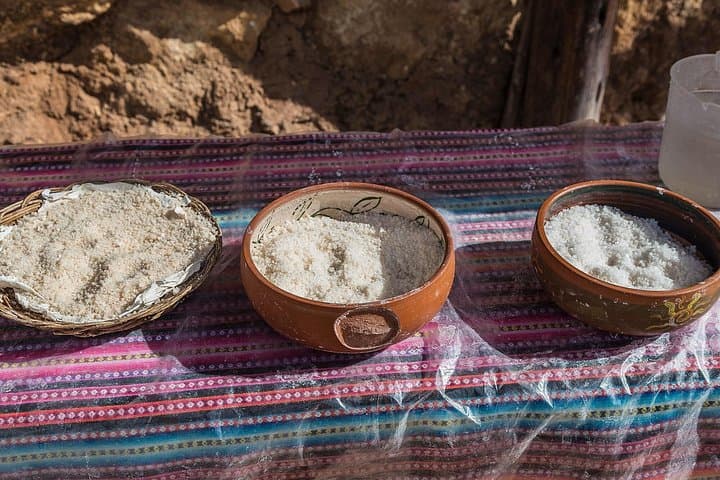
Salt pans and terraces are still managed by local families—respect access, avoid removing stones or salt, and favor local vendors to support sustainable livelihoods.
Andean Road Peru operates guided outdoor trips and adventures with an emphasis on safety, stewardship, and memorable experiences.
At first light a minivan threads the steep-sided bowl of the Sacred Valley, dropping from Cusco’s thin-air streets into sun-bathed fields and stone villages.
At first light a minivan threads the steep-sided bowl of the Sacred Valley, dropping from Cusco’s thin-air streets into sun-bathed fields and stone villages.
The day moves in measured stages: Chinchero’s Inca masonry and textile cooperatives, the concentric agricultural bowls of Moray where microclimates still whisper of experimentation, the geometric white ponds of the Maras salt pans carved into the hillside, a buffet in Urubamba, the fortress walls of Ollantaytambo, and Pisac’s mountaintop terraces and busy craft market.
Geology here is visible at a glance—the Urubamba River has incised a deep valley through folded Andean strata, creating steep slopes where Incas cut terraces to expand arable land. Culturally the valley remains a living landscape: Quechua-speaking communities tend plots and weave textiles that follow ancestral patterns.
Travelers should expect an active, full-day rhythm: short walks, stair-stepped ruins, and opportunities to stand above wide valley views. Altitude peaks around 3,300–3,600 m (Ollantaytambo, Pisac viewpoints), so pacing and hydration matter. The tour includes hotel pickup, transport, an English–Spanish guide, buffet lunch, and a first-aid kit; admission to some sites may require separate tickets.
Practical tips: wear supportive walking shoes for uneven terraces, layer for high-mountain sun and wind, bring sunscreen and a filled water bottle, and leave extra room in your pack for purchases from local artisans. With an early start (7:00 a.m.) and a late return (~7:30 p.m.), the trip compresses a sweep of Inca engineering, rural life, and sharp Andean panoramas into one accessible day.