THE ADVENTURE COLLECTIVE® · Independent discovery and booking for outdoor travel

A single-day private transfer from Cusco that links Chinchero’s textile traditions with the salt pans of Maras, the experimental terraces of Moray, and the fortress town of Ollantaytambo. Expect short walks, dramatic views, and high-altitude conditions—ideal for a compact introduction to the Sacred Valley.
A single-day private transfer from Cusco that links Chinchero’s textile traditions with the salt pans of Maras, the experimental terraces of Moray, and the fortress town of Ollantaytambo. Expect short walks, dramatic views, and high-altitude conditions—ideal for a compact introduction to the Sacred Valley.
You step into the pre-dawn chill of Cusco as the van pulls away, city lights shrinking behind you and the high Andes opening ahead.
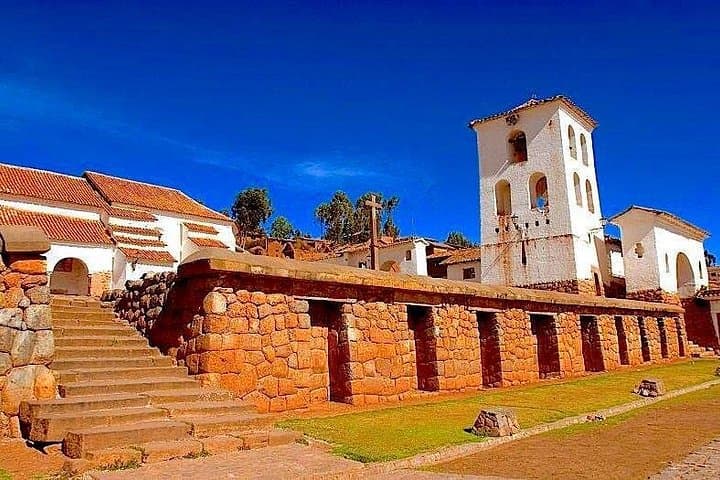
The road climbs and the air thins; roadside llamas watch you pass while distant stone terraces cut across the hills like agricultural contour lines. First stop is Chinchero, where Quechua weavers still dye wool by hand and the plaza sits above sweeping valley views.
A short drive brings the Maras salt pans into view—thousands of shallow, honey-colored pools clinging to a steep slope. The pans glitter like a man-made tributary, salt crystals forming under the Andean sun as local workers tend channels and pools.
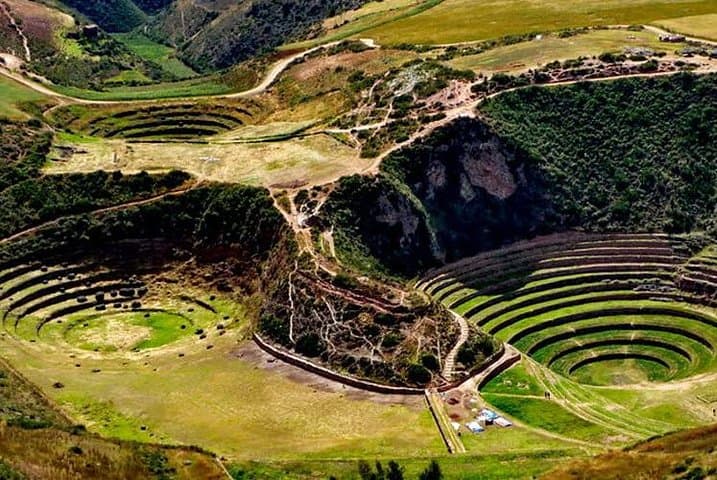
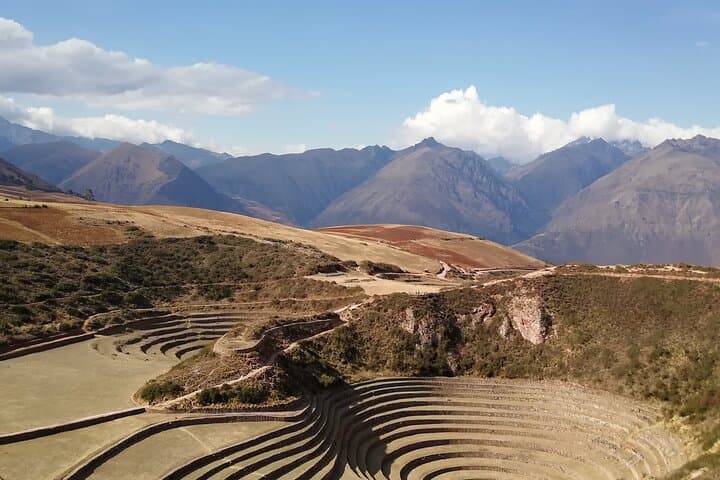
Moray follows: concentric circular terraces that once functioned as a living laboratory for Inca agronomy. The temperature gradient in those bowls still seems to whisper of experiments with microclimates and crops.
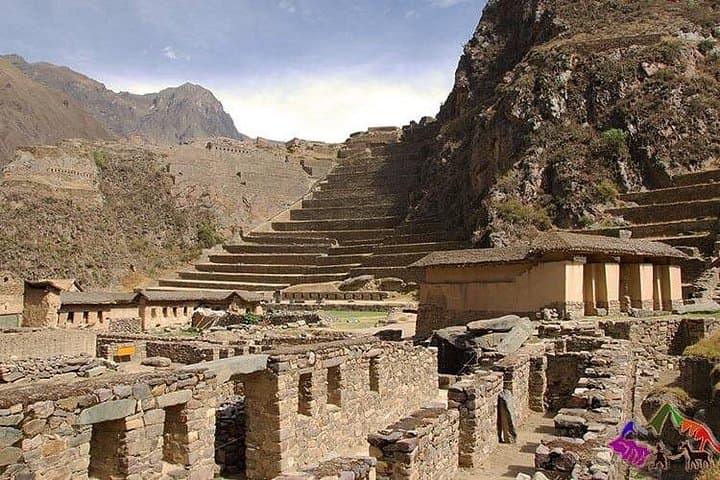
Finally, Ollantaytambo greets you with a living Inca town and steep fortress terraces carved into bedrock—streets laid out on Inca lines and stonework that resists time.
History, geology and living culture thread this route: Inca engineering, evaporative salt harvesting, and highland textile tradition.
Practical notes: the tour is vehicle-led with short walks at each site; admissions are often not included, so bring cash for entry and tips. Altitude varies from about 3,400 m in Cusco up to roughly 3,760 m in Chinchero—hydrate, dress in layers, and allow a slow pace for better acclimatization.
Expect good photo ops, uneven paths, and vibrant local markets; plan for sun and sudden mountain weather when packing.
Verified experiences and guided adventures in the surrounding area.
Operated by Viajes Ollantaytambo · Cusco, Cusco
You step into the pre-dawn chill of Cusco as the van pulls away, city lights shrinking behind you and the high Andes opening ahead.
The road climbs and the air thins; roadside llamas watch you pass while distant stone terraces cut across the hills like agricultural contour lines. First stop is Chinchero, where Quechua weavers still dye wool by hand and the plaza sits above sweeping valley views.
A short drive brings the Maras salt pans into view—thousands of shallow, honey-colored pools clinging to a steep slope. The pans glitter like a man-made tributary, salt crystals forming under the Andean sun as local workers tend channels and pools.
Moray follows: concentric circular terraces that once functioned as a living laboratory for Inca agronomy. The temperature gradient in those bowls still seems to whisper of experiments with microclimates and crops.
Finally, Ollantaytambo greets you with a living Inca town and steep fortress terraces carved into bedrock—streets laid out on Inca lines and stonework that resists time.
History, geology and living culture thread this route: Inca engineering, evaporative salt harvesting, and highland textile tradition.
Practical notes: the tour is vehicle-led with short walks at each site; admissions are often not included, so bring cash for entry and tips. Altitude varies from about 3,400 m in Cusco up to roughly 3,760 m in Chinchero—hydrate, dress in layers, and allow a slow pace for better acclimatization.
Expect good photo ops, uneven paths, and vibrant local markets; plan for sun and sudden mountain weather when packing.
easy.
6–8 hours.
Suitable for most fitness levels—walking is short but uneven and altitude demands steady breathing and basic stamina.
Most bookings include transportation and bottled water, but archaeological site admissions are frequently not included—bring local currency for tickets.
Yes—travel is by private vehicle with short, optional walks; however, consider altitude effects and take breaks as needed.
Expect 20–60 minutes of walking per site on uneven ground; routes are short and typically self-paced.
Private transfers are flexible—ask the operator in advance about timing changes or extra stops, but note that park hours and road times limit adjustments.
The route threads Inca agricultural innovation—Moray’s concentric terraces served as experimental crop plots—while Maras salt pans date to pre-Inca and colonial systems adapted to local saline springs.
Sites are fragile: stay on designated paths, avoid removing salt or stones, and support local businesses to help sustain traditional practices.
Viajes Ollantaytambo operates guided outdoor trips and adventures with an emphasis on safety, stewardship, and memorable experiences.
You step into the pre-dawn chill of Cusco as the van pulls away, city lights shrinking behind you and the high Andes opening ahead.
The road climbs and the air thins; roadside llamas watch you pass while distant stone terraces cut across the hills like agricultural contour lines. First stop is Chinchero, where Quechua weavers still dye wool by hand and the plaza sits above sweeping valley views.
A short drive brings the Maras salt pans into view—thousands of shallow, honey-colored pools clinging to a steep slope. The pans glitter like a man-made tributary, salt crystals forming under the Andean sun as local workers tend channels and pools.
Moray follows: concentric circular terraces that once functioned as a living laboratory for Inca agronomy. The temperature gradient in those bowls still seems to whisper of experiments with microclimates and crops.
Finally, Ollantaytambo greets you with a living Inca town and steep fortress terraces carved into bedrock—streets laid out on Inca lines and stonework that resists time.
History, geology and living culture thread this route: Inca engineering, evaporative salt harvesting, and highland textile tradition.
Practical notes: the tour is vehicle-led with short walks at each site; admissions are often not included, so bring cash for entry and tips. Altitude varies from about 3,400 m in Cusco up to roughly 3,760 m in Chinchero—hydrate, dress in layers, and allow a slow pace for better acclimatization.
Expect good photo ops, uneven paths, and vibrant local markets; plan for sun and sudden mountain weather when packing.
You step into the pre-dawn chill of Cusco as the van pulls away, city lights shrinking behind you and the high Andes opening ahead.
The road climbs and the air thins; roadside llamas watch you pass while distant stone terraces cut across the hills like agricultural contour lines. First stop is Chinchero, where Quechua weavers still dye wool by hand and the plaza sits above sweeping valley views.
A short drive brings the Maras salt pans into view—thousands of shallow, honey-colored pools clinging to a steep slope. The pans glitter like a man-made tributary, salt crystals forming under the Andean sun as local workers tend channels and pools.
Moray follows: concentric circular terraces that once functioned as a living laboratory for Inca agronomy. The temperature gradient in those bowls still seems to whisper of experiments with microclimates and crops.
Finally, Ollantaytambo greets you with a living Inca town and steep fortress terraces carved into bedrock—streets laid out on Inca lines and stonework that resists time.
History, geology and living culture thread this route: Inca engineering, evaporative salt harvesting, and highland textile tradition.
Practical notes: the tour is vehicle-led with short walks at each site; admissions are often not included, so bring cash for entry and tips. Altitude varies from about 3,400 m in Cusco up to roughly 3,760 m in Chinchero—hydrate, dress in layers, and allow a slow pace for better acclimatization.
Expect good photo ops, uneven paths, and vibrant local markets; plan for sun and sudden mountain weather when packing.