THE ADVENTURE COLLECTIVE® · Independent discovery and booking for outdoor travel

Spend a long day tracing Inca innovation through the Sacred Valley—from Chinchero’s living textile market to the sun-struck salt pans of Maras and the fortress town of Ollantaytambo. This guided VIP loop includes transport, entrances, and lunch for a practical, photo-ready cultural immersion.
Spend a long day tracing Inca innovation through the Sacred Valley—from Chinchero’s living textile market to the sun-struck salt pans of Maras and the fortress town of Ollantaytambo. This guided VIP loop includes transport, entrances, and lunch for a practical, photo-ready cultural immersion.
You step out of Cusco’s Plaza de Armas at first light and the Andes inhale around you—cold, thin air that sharpens the senses and makes each stone and terrace feel newly carved. The day moves like a story: Chinchero’s market stalls call with alpaca sweaters and dyes, Moray’s concentric bowls troubleshoot climates in stone, and the salt pans of Maras shimmer like a tessellated river paused on the hillside.
Verified experiences and guided adventures in the surrounding area.
Operated by Machu Picchu 360 Experiences · Ollantaytambo, Cusco Region
You step out of Cusco’s Plaza de Armas at first light and the Andes inhale around you—cold, thin air that sharpens the senses and makes each stone and terrace feel newly carved. The day moves like a story: Chinchero’s market stalls call with alpaca sweaters and dyes, Moray’s concentric bowls troubleshoot climates in stone, and the salt pans of Maras shimmer like a tessellated river paused on the hillside.
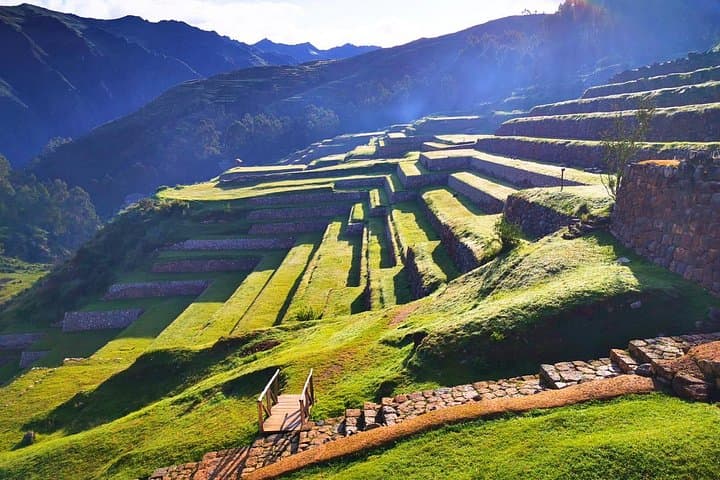
This route traces Inca ingenuity. Terrazas at Moray were agricultural laboratories that manipulated microclimates; Ollantaytambo’s fortress reveals defensive masonry and urban planning that frustrated Spanish campaigns. Pisac’s high terraces and market show the continuing weave of Andean craft and commerce. Geologically the valley follows a fault-bounded corridor—steep-sided, glacially sculpted, and fed by meltwater that still shapes terraces and streams.
Practically, expect a full day of short walks, stair-climbing at archaeological sites, and market browsing. Altitude is the ever-present variable—mornings are crisp, afternoons can grow sunny and windy. Bring layered clothing, sun protection, and cash for markets; guides cover entrances and lunch, and transport returns you to Cusco the same evening.
Plan for 10–12 hours on the road with several photo stops and moderate walking at altitude. Hydrate before you arrive, move deliberately on steep stairways, and allow time to sit in a village plaza—watch the mountains rearrange the light and the valley push you gently forward.
easy.
10–12 hours.
Suitable for travelers in average physical condition who can handle stairs and short hikes at altitude.
The full day tour runs about 10–12 hours and departs from Plaza de Armas in Cusco in the morning—arrive 10–15 minutes early to check in.
Yes; the tour includes entrance tickets to listed sites and a buffet lunch in Urubamba as stated in the inclusions.
The tour is rated easy but operates at high elevation; travelers prone to altitude sickness should acclimatize in Cusco first and consider medication after consulting a doctor.
Yes—Chinchero and Pisac markets feature local textiles, silver, and ceramics; bring small bills for purchases and be prepared to bargain politely.
The Sacred Valley was a central agricultural and administrative corridor of the Inca Empire; many terraces and roads are direct legacies of pre-Columbian land management.
Local communities manage resources like the Maras salt pans; visitors should avoid touching salt ponds and buy local crafts to support sustainable livelihoods.
Machu Picchu 360 Experiences operates guided outdoor trips and adventures with an emphasis on safety, stewardship, and memorable experiences.
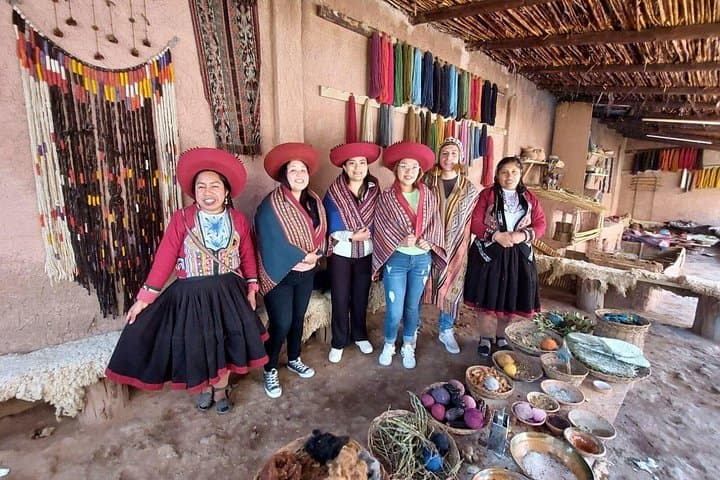
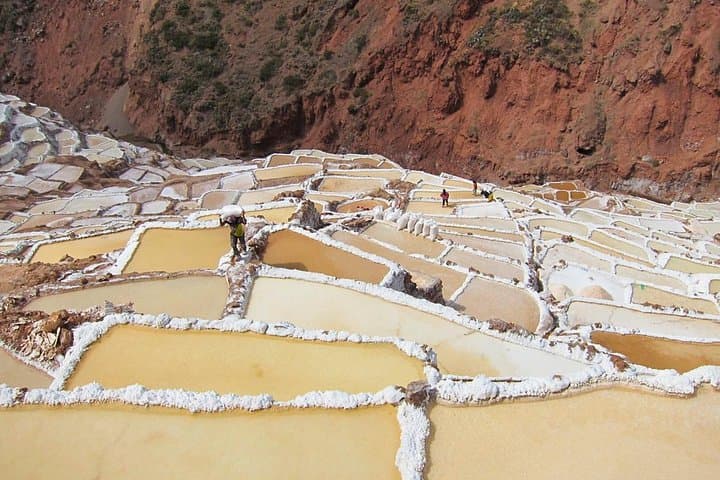
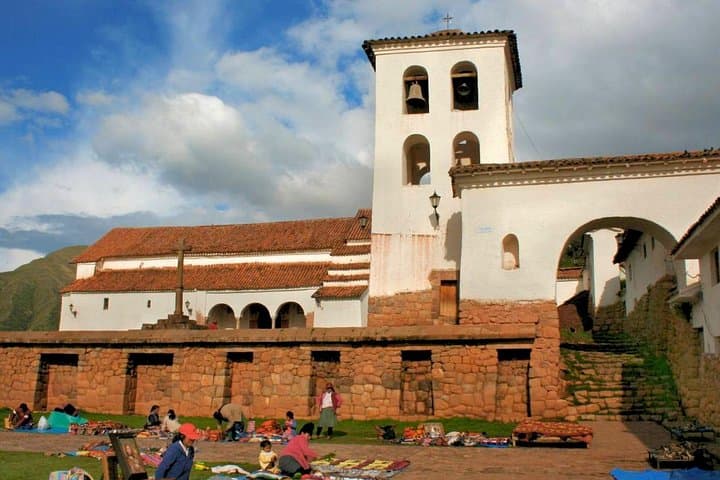
You step out of Cusco’s Plaza de Armas at first light and the Andes inhale around you—cold, thin air that sharpens the senses and makes each stone and terrace feel newly carved. The day moves like a story: Chinchero’s market stalls call with alpaca sweaters and dyes, Moray’s concentric bowls troubleshoot climates in stone, and the salt pans of Maras shimmer like a tessellated river paused on the hillside.
You step out of Cusco’s Plaza de Armas at first light and the Andes inhale around you—cold, thin air that sharpens the senses and makes each stone and terrace feel newly carved. The day moves like a story: Chinchero’s market stalls call with alpaca sweaters and dyes, Moray’s concentric bowls troubleshoot climates in stone, and the salt pans of Maras shimmer like a tessellated river paused on the hillside.
This route traces Inca ingenuity. Terrazas at Moray were agricultural laboratories that manipulated microclimates; Ollantaytambo’s fortress reveals defensive masonry and urban planning that frustrated Spanish campaigns. Pisac’s high terraces and market show the continuing weave of Andean craft and commerce. Geologically the valley follows a fault-bounded corridor—steep-sided, glacially sculpted, and fed by meltwater that still shapes terraces and streams.
Practically, expect a full day of short walks, stair-climbing at archaeological sites, and market browsing. Altitude is the ever-present variable—mornings are crisp, afternoons can grow sunny and windy. Bring layered clothing, sun protection, and cash for markets; guides cover entrances and lunch, and transport returns you to Cusco the same evening.
Plan for 10–12 hours on the road with several photo stops and moderate walking at altitude. Hydrate before you arrive, move deliberately on steep stairways, and allow time to sit in a village plaza—watch the mountains rearrange the light and the valley push you gently forward.