THE ADVENTURE COLLECTIVE® · Independent discovery and booking for outdoor travel

Spend a day off Perth exploring Rottnest’s beaches, salt lakes and WWII tunnels on a guided island circuit. Ride a heritage train to Oliver Hill, meet quokkas at the bays, and return by late afternoon.
Spend a day off Perth exploring Rottnest’s beaches, salt lakes and WWII tunnels on a guided island circuit. Ride a heritage train to Oliver Hill, meet quokkas at the bays, and return by late afternoon.
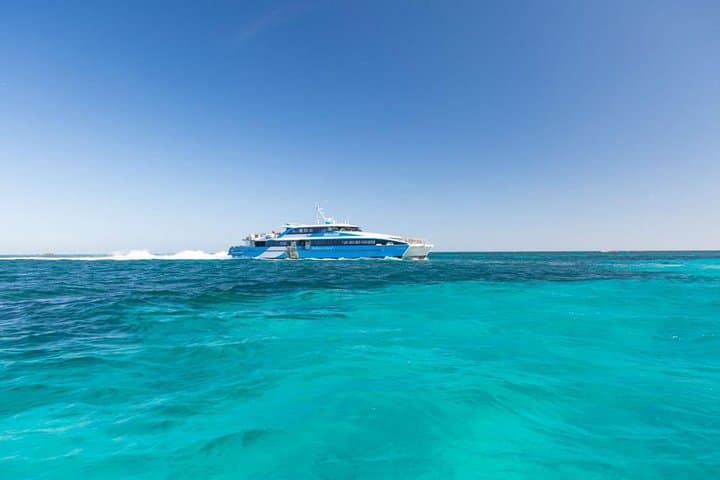
The ferry slips away from Perth and the Swan River narrows, the city skyline shrinking as salt air and wind pull passengers toward blue that seems to go on forever. By the time Rottnest Island appears — low, limestone ribbed and dotted with tufts of heath — the mood shifts to exploration: seabirds wheel, dunes hush, and small faces of quokkas peek from shade.
Verified experiences and guided adventures in the surrounding area.
Operated by Captain Cook Cruises (WA) · Rottnest Island, Western Australia
The ferry slips away from Perth and the Swan River narrows, the city skyline shrinking as salt air and wind pull passengers toward blue that seems to go on forever. By the time Rottnest Island appears — low, limestone ribbed and dotted with tufts of heath — the mood shifts to exploration: seabirds wheel, dunes hush, and small faces of quokkas peek from shade.
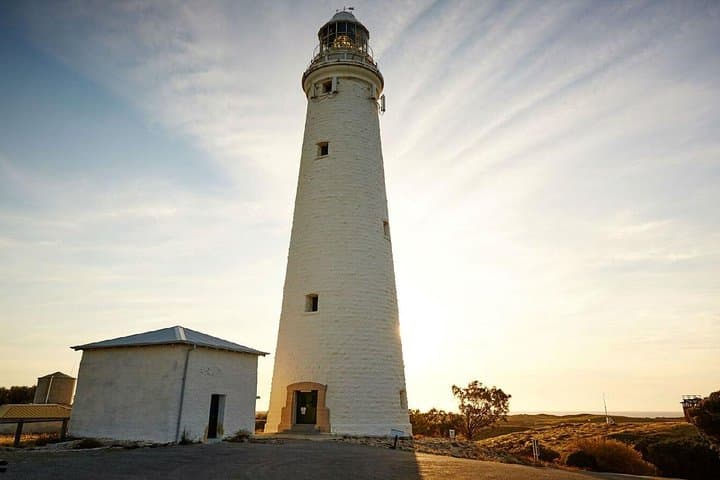
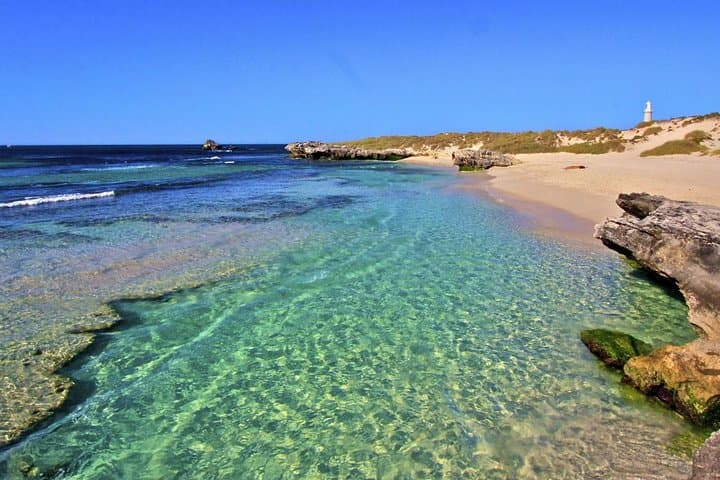
Rottnest is an A-Class nature reserve with deep human and geological layers. Once visited by Noongar people and later charted by Dutch sailors, its limestone base and perched sand dunes formed over millennia; salt lakes rim the interior and WWII batteries like Oliver Hill speak plainly to mid-20th-century strategic urgency. The island’s heritage train and Oliver Hill tunnels bring that history into sharp relief, while coastal vegetation and sheltered bays reveal quieter natural rhythms.
On this full-day guided tour expect a 90-minute ferry transfer with commentary, time ashore before meeting your guide, a heritage train ride to Oliver Hill, a guided WWII guns and tunnels walkthrough, a light sandwich lunch, then a guided bus circuit past key lookouts and beaches. Terrain is a mix of short paved stretches, uneven boardwalks and sandy tracks; the schedule typically returns by late afternoon.
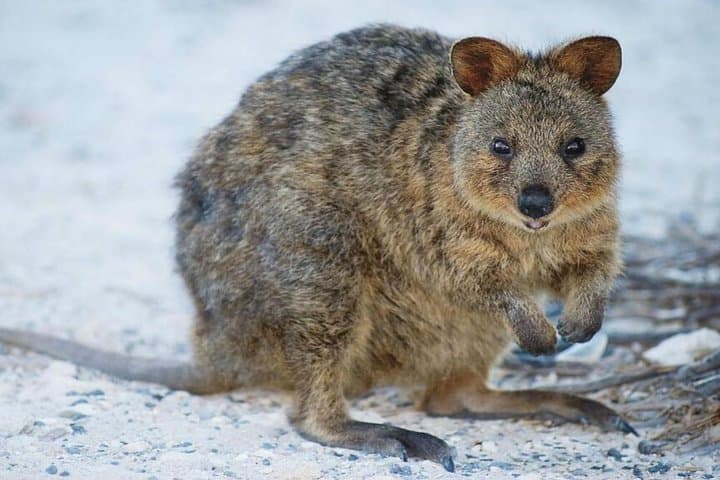
Practical tips: carry sun protection and 1–2 liters of water, wear sturdy walking shoes for sandy and rocky edges, and keep distance from wildlife — quokkas are curious but protected. Timing your visit for morning or late afternoon light rewards photographers and eases midday heat. The island invites attention — listen to wind and waves, but follow the route the guides set for conservation and safety.
moderate.
9–10 hours.
Should be comfortable walking 3–6 km over mixed surfaces and able to board ferries and a heritage train; not suitable for those with significant mobility limitations.
The full-day experience runs about 9–10 hours door-to-door; ferries typically depart Rottnest around 4:30pm, arriving Perth near 6:00pm.
Quokkas are wild and protected; you may photograph them from a short distance but do not touch, feed or attempt to pick them up.
The tunnels involve stairs and uneven concrete; most visitors with moderate mobility manage fine, but it is not recommended for those with serious mobility issues.
There may be short stops at beaches but this tour emphasizes sights and history; if swimming is a priority, plan extra time before or after the guided circuit to enjoy the bays safely.
Rottnest hosts significant WWII installations like Oliver Hill battery and tunnels; the island was also named by early Dutch explorers and has long Noongar connections.
Designated an A-Class reserve, Rottnest limits development and enforces strict wildlife protections—stay on trails, do not feed animals, and pack out all waste.
Captain Cook Cruises (WA) operates guided outdoor trips and adventures with an emphasis on safety, stewardship, and memorable experiences.
The ferry slips away from Perth and the Swan River narrows, the city skyline shrinking as salt air and wind pull passengers toward blue that seems to go on forever. By the time Rottnest Island appears — low, limestone ribbed and dotted with tufts of heath — the mood shifts to exploration: seabirds wheel, dunes hush, and small faces of quokkas peek from shade.
The ferry slips away from Perth and the Swan River narrows, the city skyline shrinking as salt air and wind pull passengers toward blue that seems to go on forever. By the time Rottnest Island appears — low, limestone ribbed and dotted with tufts of heath — the mood shifts to exploration: seabirds wheel, dunes hush, and small faces of quokkas peek from shade.
Rottnest is an A-Class nature reserve with deep human and geological layers. Once visited by Noongar people and later charted by Dutch sailors, its limestone base and perched sand dunes formed over millennia; salt lakes rim the interior and WWII batteries like Oliver Hill speak plainly to mid-20th-century strategic urgency. The island’s heritage train and Oliver Hill tunnels bring that history into sharp relief, while coastal vegetation and sheltered bays reveal quieter natural rhythms.
On this full-day guided tour expect a 90-minute ferry transfer with commentary, time ashore before meeting your guide, a heritage train ride to Oliver Hill, a guided WWII guns and tunnels walkthrough, a light sandwich lunch, then a guided bus circuit past key lookouts and beaches. Terrain is a mix of short paved stretches, uneven boardwalks and sandy tracks; the schedule typically returns by late afternoon.
Practical tips: carry sun protection and 1–2 liters of water, wear sturdy walking shoes for sandy and rocky edges, and keep distance from wildlife — quokkas are curious but protected. Timing your visit for morning or late afternoon light rewards photographers and eases midday heat. The island invites attention — listen to wind and waves, but follow the route the guides set for conservation and safety.