THE ADVENTURE COLLECTIVE® · Independent discovery and booking for outdoor travel

Spend a full day learning to climb on Blue Mountains sandstone with certified instructors. This small-group Katoomba departure blends hands-on instruction, abseiling practice and guided climbs for beginners and gym climbers ready for rock.
Spend a full day learning to climb on Blue Mountains sandstone with certified instructors. This small-group Katoomba departure blends hands-on instruction, abseiling practice and guided climbs for beginners and gym climbers ready for rock.
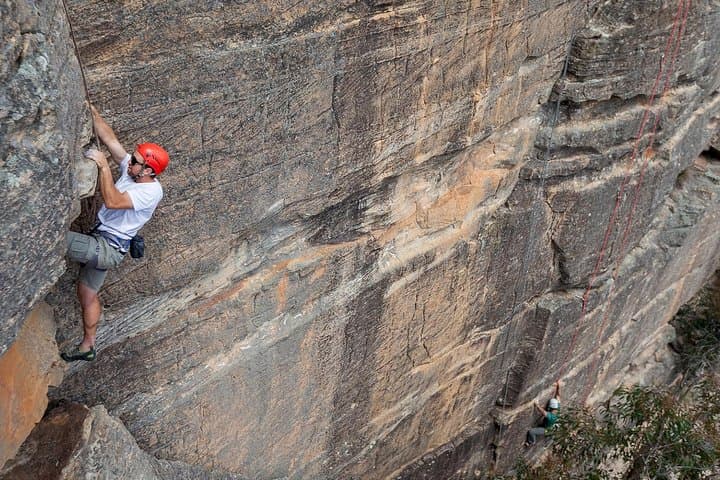
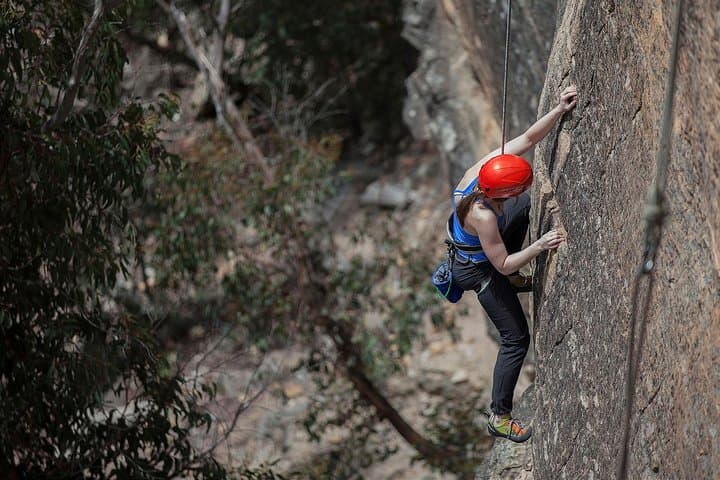
On a clear morning the group meets in Katoomba and the Blue Mountains open like a challenge: sheer sandstone cliffs rising from eucalyptus forest, wind working at the edges, and the valley below waiting to be earned.
Verified experiences and guided adventures in the surrounding area.
Operated by Australian School Of Mountaineering · Katoomba, New South Wales
On a clear morning the group meets in Katoomba and the Blue Mountains open like a challenge: sheer sandstone cliffs rising from eucalyptus forest, wind working at the edges, and the valley below waiting to be earned.
The day moves between practical coaching and sustained climbing. Instructors introduce rope systems, belay technique and abseiling before guiding participants onto faces and crack lines that test balance and footwork. Climbs vary from scrambling slabs to steep short routes, giving beginners a real taste of vertical rock without skipping safety protocols.
Geology here is clear—Triassic sandstone shaped into plateaus and escarpments that drop several hundred metres into valleys. The region has deep cultural history; Gundungurra and Darug peoples have connections to these cliffs and walking country for millennia, and 19th-century European tourism later mapped tracks and lookouts around Katoomba.
Practical details matter: the full-day course runs about eight hours, departs from a Katoomba meeting point, and includes lunch and all technical equipment. Groups are small (up to 15), instructors are certified, and a moderate fitness level is recommended. The course is not appropriate for people with serious spinal or cardiovascular issues; minimum age is 14.
Expect eucalyptus-scented air, dusty holds, and the click of carabiners as rhythms of the day. Bring sturdy approach shoes, sun protection, water and layers—the mountains shift temperature fast. Public transport reaches Katoomba, and following park rules helps keep this climbing country open: pack out waste, stick to established access points, and leave fixed gear to professionals.
moderate.
8 hours.
Moderate aerobic fitness and comfort with exposure; able to walk uneven trails and climb using hands and feet.
No — the course is designed for beginners and gym climbers moving onto real rock; instructors cover belaying, basic ropework and abseiling.
All technical climbing equipment, a professional guide, national park fees and a supplied lunch are included.
Minimum age is 14; participants should have a moderate level of fitness and be able to walk uneven terrain for short distances.
Full refund if you cancel at least 24 hours before departure; tours may be cancelled for bad weather or insufficient travelers.
The cliffs are Triassic sandstone formed over 200 million years; the landscape also holds long-standing cultural significance to local Aboriginal groups such as the Gundungurra and Darug.
Follow established access points and park rules to reduce erosion and disturbance; climbers should avoid creating new anchors and pack out all waste.
Australian School Of Mountaineering operates guided outdoor trips and adventures with an emphasis on safety, stewardship, and memorable experiences.
On a clear morning the group meets in Katoomba and the Blue Mountains open like a challenge: sheer sandstone cliffs rising from eucalyptus forest, wind working at the edges, and the valley below waiting to be earned.
On a clear morning the group meets in Katoomba and the Blue Mountains open like a challenge: sheer sandstone cliffs rising from eucalyptus forest, wind working at the edges, and the valley below waiting to be earned.
The day moves between practical coaching and sustained climbing. Instructors introduce rope systems, belay technique and abseiling before guiding participants onto faces and crack lines that test balance and footwork. Climbs vary from scrambling slabs to steep short routes, giving beginners a real taste of vertical rock without skipping safety protocols.
Geology here is clear—Triassic sandstone shaped into plateaus and escarpments that drop several hundred metres into valleys. The region has deep cultural history; Gundungurra and Darug peoples have connections to these cliffs and walking country for millennia, and 19th-century European tourism later mapped tracks and lookouts around Katoomba.
Practical details matter: the full-day course runs about eight hours, departs from a Katoomba meeting point, and includes lunch and all technical equipment. Groups are small (up to 15), instructors are certified, and a moderate fitness level is recommended. The course is not appropriate for people with serious spinal or cardiovascular issues; minimum age is 14.
Expect eucalyptus-scented air, dusty holds, and the click of carabiners as rhythms of the day. Bring sturdy approach shoes, sun protection, water and layers—the mountains shift temperature fast. Public transport reaches Katoomba, and following park rules helps keep this climbing country open: pack out waste, stick to established access points, and leave fixed gear to professionals.