THE ADVENTURE COLLECTIVE® · Independent discovery and booking for outdoor travel

Combine a moving Robben Island prison tour with the dramatic cliffs and wildlife of the Cape Peninsula in one full-day private excursion from Cape Town. Expect ferry crossings, guided history, coastal drives and penguin viewing.
Combine a moving Robben Island prison tour with the dramatic cliffs and wildlife of the Cape Peninsula in one full-day private excursion from Cape Town. Expect ferry crossings, guided history, coastal drives and penguin viewing.
A choppy Atlantic morning meets the V&A Waterfront as the ferry slips past Table Mountain’s skyline and pushes toward Robben Island. Salt spray and the distant hulks of the Cape Peninsula set the tone: history first, then a long coastal day that trades cells and struggle for cliff-top winds and ocean panoramas.
Verified experiences and guided adventures in the surrounding area.
Operated by Matadi Africa And Travel Tours · Cape Town, Western Cape
A choppy Atlantic morning meets the V&A Waterfront as the ferry slips past Table Mountain’s skyline and pushes toward Robben Island. Salt spray and the distant hulks of the Cape Peninsula set the tone: history first, then a long coastal day that trades cells and struggle for cliff-top winds and ocean panoramas.
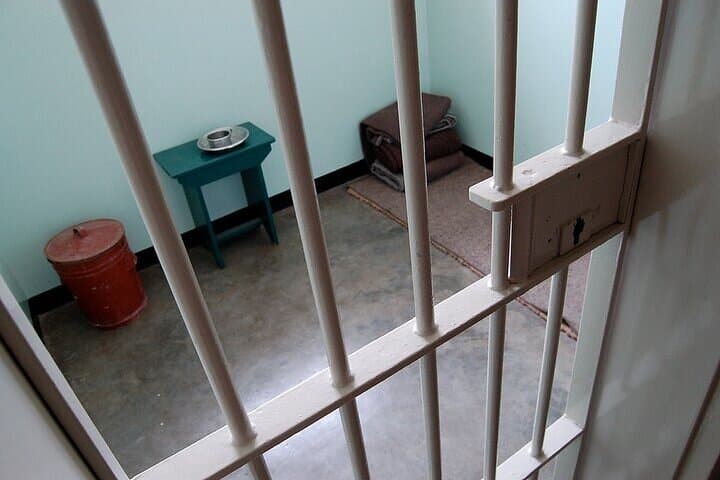
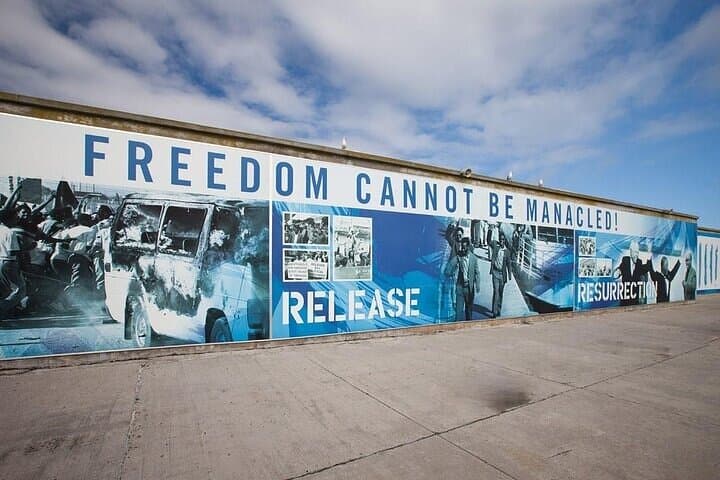
Robben Island is both a physical place and a story — a former leper colony, asylum and maximum-security prison where Nelson Mandela spent 18 of his 27 years of confinement. The guided prison tour traces the cellblocks and the quarry where prisoners labored; guides often include former inmates, which deepens the narrative.
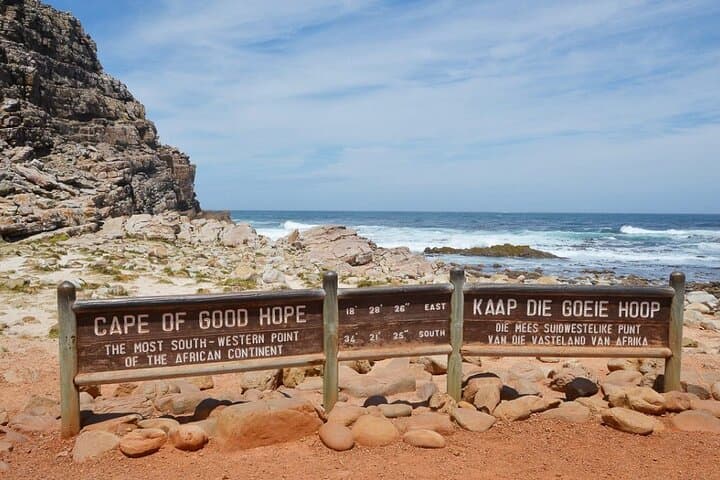
The peninsula’s geology changes fast: the flat, erosion-resistant Table Mountain sandstone gives way to folded Cape granite and steep cliffs at Cape Point. Fynbos scrub clings to thin soils and the coast hosts seabird colonies, while the Cape of Good Hope’s headlands have played a starring role in maritime history since European explorers rounded them in the 15th century.
Practically: expect a full day (roughly 8 hours). Pickup from Cape Town hotels, a ferry to Robben Island (about 30–40 minutes each way depending on conditions) and a guided island visit of around four hours is followed by a peninsula drive along Chapman’s Peak, stops at Hout Bay, Boulders Beach penguins, and Cape Point’s lighthouse cliffs (lighthouse sits ~238m above sea level). Bring layered clothing for wind and sun, comfortable walking shoes for uneven surfaces, and allow time for ferry check-in — tours run on fixed schedules. The trip suits most travelers and combines cultural history with coastal scenery and wildlife viewing in one packed day.
easy.
8 hours.
Suitable for most fitness levels; involves moderate walking and standing during the island tour and short cliff walks.
The ferry crossing is typically about 30–40 minutes each way but can vary with sea conditions; allow extra time for boarding and security.
Ferry and on-island facilities accommodate wheelchairs in many cases, but some outdoor surfaces are uneven—notify the operator of needs in advance.
Yes — most peninsula tours stop at Boulders Beach to view the African (Jackass) penguin colony; viewing is close but on designated walkways to protect the birds.
This private tour generally includes ferry admission to Robben Island and reserve entrance fees as stated, along with private transport—confirm details with the operator before booking.
Robben Island functioned as a political prison during apartheid and is a UNESCO World Heritage Site, its stories central to South Africa’s democratic transition.
The peninsula hosts unique fynbos vegetation and protected coastal reserves; stick to boardwalks and follow wildlife viewing rules to reduce disturbance.
Matadi Africa And Travel Tours operates guided outdoor trips and adventures with an emphasis on safety, stewardship, and memorable experiences.

A choppy Atlantic morning meets the V&A Waterfront as the ferry slips past Table Mountain’s skyline and pushes toward Robben Island. Salt spray and the distant hulks of the Cape Peninsula set the tone: history first, then a long coastal day that trades cells and struggle for cliff-top winds and ocean panoramas.
A choppy Atlantic morning meets the V&A Waterfront as the ferry slips past Table Mountain’s skyline and pushes toward Robben Island. Salt spray and the distant hulks of the Cape Peninsula set the tone: history first, then a long coastal day that trades cells and struggle for cliff-top winds and ocean panoramas.
Robben Island is both a physical place and a story — a former leper colony, asylum and maximum-security prison where Nelson Mandela spent 18 of his 27 years of confinement. The guided prison tour traces the cellblocks and the quarry where prisoners labored; guides often include former inmates, which deepens the narrative.
The peninsula’s geology changes fast: the flat, erosion-resistant Table Mountain sandstone gives way to folded Cape granite and steep cliffs at Cape Point. Fynbos scrub clings to thin soils and the coast hosts seabird colonies, while the Cape of Good Hope’s headlands have played a starring role in maritime history since European explorers rounded them in the 15th century.
Practically: expect a full day (roughly 8 hours). Pickup from Cape Town hotels, a ferry to Robben Island (about 30–40 minutes each way depending on conditions) and a guided island visit of around four hours is followed by a peninsula drive along Chapman’s Peak, stops at Hout Bay, Boulders Beach penguins, and Cape Point’s lighthouse cliffs (lighthouse sits ~238m above sea level). Bring layered clothing for wind and sun, comfortable walking shoes for uneven surfaces, and allow time for ferry check-in — tours run on fixed schedules. The trip suits most travelers and combines cultural history with coastal scenery and wildlife viewing in one packed day.