THE ADVENTURE COLLECTIVE® · Independent discovery and booking for outdoor travel

Walk Rio’s modernist story from Copacabana’s promenade to the social-housing landmark Pedregulho. This full-day, guided tour pairs architectural highlights with cultural stops like Feira de São Cristóvão.
Walk Rio’s modernist story from Copacabana’s promenade to the social-housing landmark Pedregulho. This full-day, guided tour pairs architectural highlights with cultural stops like Feira de São Cristóvão.
Sunrise spills across Copacabana’s black-and-white promenade as your guide gathers the group and points out the first modern touches: Burle Marx’s pavement, hotels that flirt with Art Deco lines, and facades that frame the Atlantic.
Verified experiences and guided adventures in the surrounding area.
Operated by RJ TOP TOUR EXPERIENCE · Rio de Janeiro, Rio de Janeiro
Sunrise spills across Copacabana’s black-and-white promenade as your guide gathers the group and points out the first modern touches: Burle Marx’s pavement, hotels that flirt with Art Deco lines, and facades that frame the Atlantic.
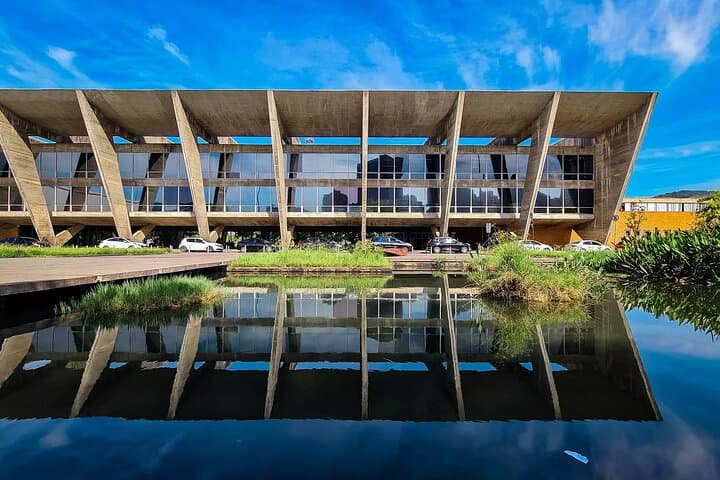
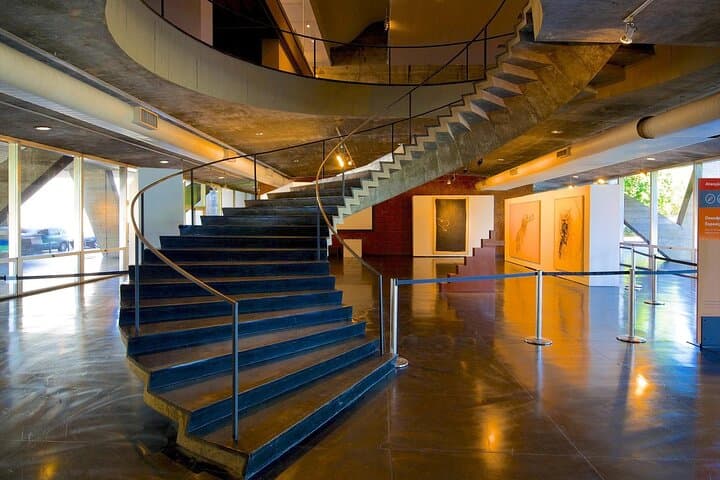
The day moves from the pulse of the South Zone to quieter residential enclaves, tracing Rio’s 20th-century architectural evolution. Modernism in the city was a response to rapid urban growth — architects like Affonso Eduardo Reidy and landscape designer Roberto Burle Marx balanced concrete forms with green space. At Parque Guinle you’ll feel that balance: lagoons, palms, and low-rise modernist apartments that once housed Rio’s elite. Pedregulho, a social-housing landmark, shows a different ambition — communal facilities, wave-like blocks shaped to the hillside, murals and courtyards that read like social policy in built form.
Midday brings Feira de São Cristóvão, where northeastern Brazil’s food, music and craft traditions punctuate the architectural focus with local color — a reminder that Rio’s built environment is lived in and performed. Downtown contrasts colonial masonry and modern towers, explaining political shifts and investment patterns that reshaped the city.
Practical guide: expect roughly eight hours of slow-to-brisk walking with short coach transfers; bring sun protection, sturdy shoes, and local cash for market stalls. The tour suits anyone comfortable on their feet for several hours; rest stops are frequent and lunch is on your own in the Feira. Timing matters — start early to beat heat and afternoon traffic. Follow your guide’s route, respect private residences, and carry water: Rio’s architecture asks you to walk and to look closely.
easy.
8 hours.
Suitable for most fitness levels; participants should be able to walk 3–6 miles over the day with short breaks.
Yes — the tour includes hotel pickup; if no pickup address is provided you’ll be directed to the default meeting point in Lapa.
The itinerary is family-friendly, but infants must sit on an adult’s lap and the day is long, so consider your child’s stamina.
No — lunch is on your own at the Feira de São Cristóvão where there are many local options.
Expect several hours of walking spread across sites with coach transfers in between; comfortable footwear is recommended.
Rio’s mid-20th-century modernist movement, shaped by figures like Affonso Reidy and Roberto Burle Marx, sought to combine social housing, landscape and civic space into a new urban fabric.
Respect public and private heritage sites, avoid littering and support local vendors to help sustain the neighborhoods you visit.
RJ TOP TOUR EXPERIENCE operates guided outdoor trips and adventures with an emphasis on safety, stewardship, and memorable experiences.
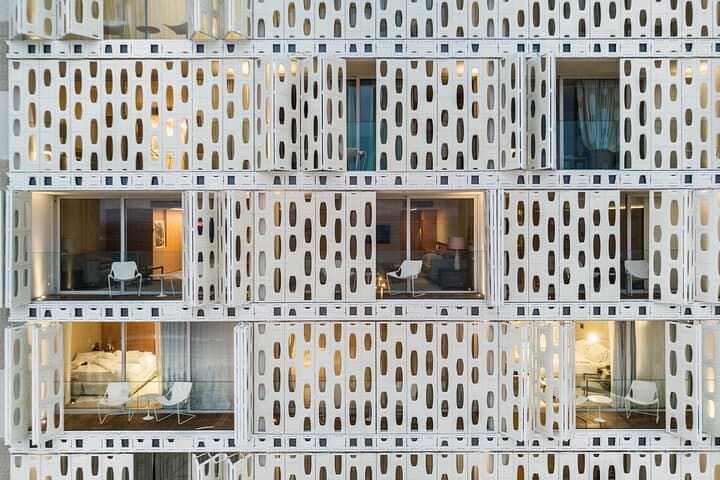
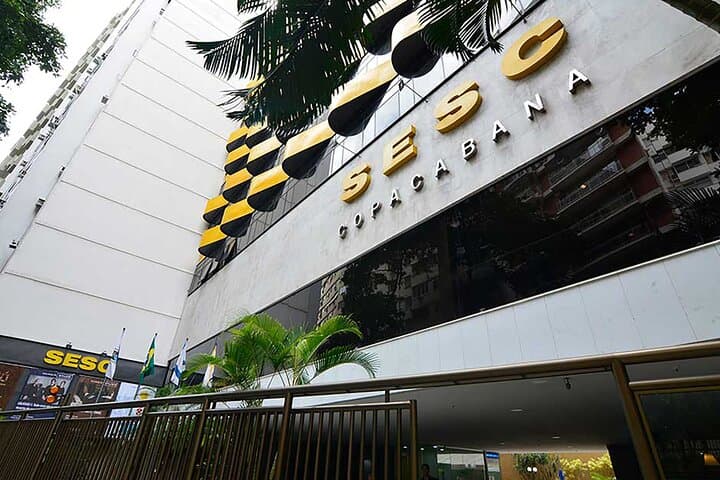
Sunrise spills across Copacabana’s black-and-white promenade as your guide gathers the group and points out the first modern touches: Burle Marx’s pavement, hotels that flirt with Art Deco lines, and facades that frame the Atlantic.
Sunrise spills across Copacabana’s black-and-white promenade as your guide gathers the group and points out the first modern touches: Burle Marx’s pavement, hotels that flirt with Art Deco lines, and facades that frame the Atlantic.
The day moves from the pulse of the South Zone to quieter residential enclaves, tracing Rio’s 20th-century architectural evolution. Modernism in the city was a response to rapid urban growth — architects like Affonso Eduardo Reidy and landscape designer Roberto Burle Marx balanced concrete forms with green space. At Parque Guinle you’ll feel that balance: lagoons, palms, and low-rise modernist apartments that once housed Rio’s elite. Pedregulho, a social-housing landmark, shows a different ambition — communal facilities, wave-like blocks shaped to the hillside, murals and courtyards that read like social policy in built form.
Midday brings Feira de São Cristóvão, where northeastern Brazil’s food, music and craft traditions punctuate the architectural focus with local color — a reminder that Rio’s built environment is lived in and performed. Downtown contrasts colonial masonry and modern towers, explaining political shifts and investment patterns that reshaped the city.
Practical guide: expect roughly eight hours of slow-to-brisk walking with short coach transfers; bring sun protection, sturdy shoes, and local cash for market stalls. The tour suits anyone comfortable on their feet for several hours; rest stops are frequent and lunch is on your own in the Feira. Timing matters — start early to beat heat and afternoon traffic. Follow your guide’s route, respect private residences, and carry water: Rio’s architecture asks you to walk and to look closely.