THE ADVENTURE COLLECTIVE® · Independent discovery and booking for outdoor travel

Explore Crete’s inland charms on a full-day tour through pottery villages, historic Arkadi Monastery and Lake Kournas. Expect short hikes, spring-fed pools and hands-on cultural stops with private transport and local insights.
Explore Crete’s inland charms on a full-day tour through pottery villages, historic Arkadi Monastery and Lake Kournas. Expect short hikes, spring-fed pools and hands-on cultural stops with private transport and local insights.
Morning light slants across olive groves as the minivan leaves Heraklion and climbs into Crete’s interior. The road threads through limestone ridges and terraces; each turn reveals a different face of the island — pottery villages, cool springs, a monastery that keeps the island’s 19th-century defiance alive.
Verified experiences and guided adventures in the surrounding area.
Operated by CreteCab · Rethymno, Crete
Morning light slants across olive groves as the minivan leaves Heraklion and climbs into Crete’s interior. The road threads through limestone ridges and terraces; each turn reveals a different face of the island — pottery villages, cool springs, a monastery that keeps the island’s 19th-century defiance alive.
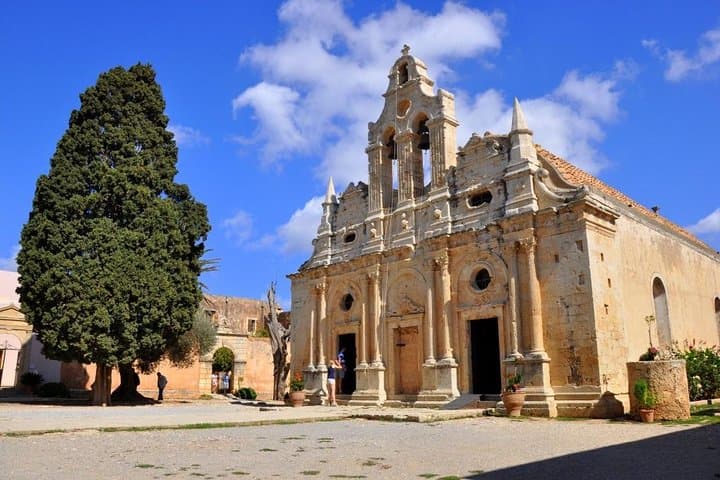
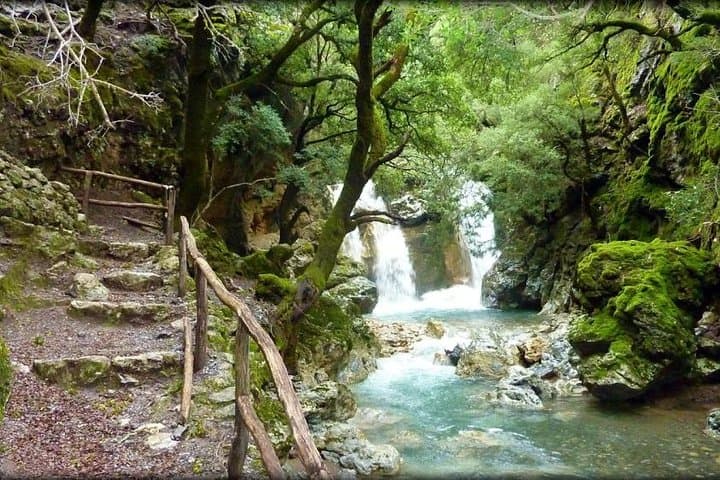
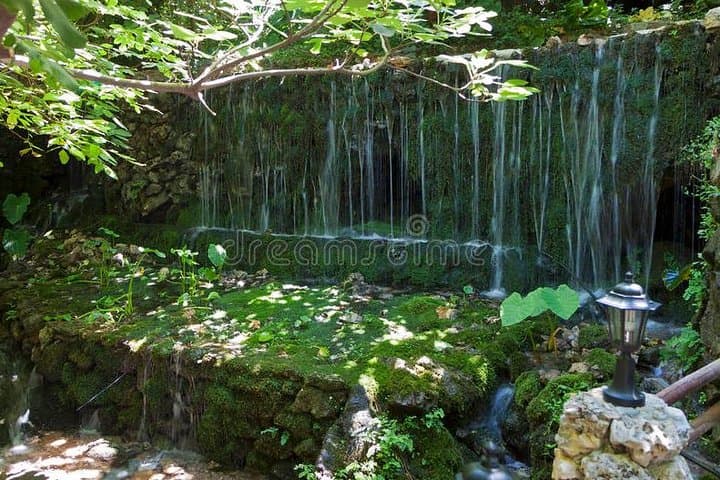
This full-day tour stitches together culture, geology and everyday Cretan life. Margarites retains a living pottery tradition shaped by local clay and centuries of craft. The Monastery of Arkadi sits on a limestone shoulder, its stonework marked by Ottoman-era conflict and the 1866 Cretan uprising that made it a symbol of resistance. Argyroupoli’s springs emerge where limestone aquifers meet daylight, feeding old mills and quiet pools. Lake Kournas, Crete’s only freshwater lake, collects runoff from surrounding hills and supports reed beds and migratory birds.
Expect a mix of short walks, a moderate cave approach at St. Antonios, and easy village exploration on cobbled lanes; the day includes bottled water, snacks and air-conditioned transfer with pickup from Heraklion. Terrain shifts from paved village streets to uneven dirt trails and stepped monastery courtyards, so solid footwear matters. Bring sun protection and a refillable bottle — shade is sparse on open stretches, while springs and tavernas provide cooling stops.
Travelers wanting cultural context will appreciate the modest museum near the excavation and the living workshops in Margarites. The tour is accessible to most fitness levels but includes a few steeper short hikes, so plan for a full 12-hour day and leave room for photos and slow lunches.
moderate.
12 hours.
Suitable for travelers with average fitness able to handle short uphill walks and uneven terrain
Pickups are available from Heraklion Port, Airport and hotels within 30 km of Heraklion city center; the tour returns to the original pickup point.
The monastery grounds have stepped courtyards and uneven surfaces; visitors with limited mobility should note some areas may be difficult to access but exterior views are possible.
The tour includes transport, snacks and bottled water; specific site admissions may not be included—check the provider’s booking details before travel.
Yes—infant seats are available and the tour is labeled suitable for all fitness levels, though the cave hike may be strenuous for very young children.
The Monastery of Arkadi became a national symbol after the 1866 siege during the Cretan struggle against Ottoman rule.
Lake Kournas and local springs are sensitive freshwater ecosystems—stick to marked paths, avoid littering and support tavernas that source local produce.
CreteCab operates guided outdoor trips and adventures with an emphasis on safety, stewardship, and memorable experiences.
Morning light slants across olive groves as the minivan leaves Heraklion and climbs into Crete’s interior. The road threads through limestone ridges and terraces; each turn reveals a different face of the island — pottery villages, cool springs, a monastery that keeps the island’s 19th-century defiance alive.
Morning light slants across olive groves as the minivan leaves Heraklion and climbs into Crete’s interior. The road threads through limestone ridges and terraces; each turn reveals a different face of the island — pottery villages, cool springs, a monastery that keeps the island’s 19th-century defiance alive.
This full-day tour stitches together culture, geology and everyday Cretan life. Margarites retains a living pottery tradition shaped by local clay and centuries of craft. The Monastery of Arkadi sits on a limestone shoulder, its stonework marked by Ottoman-era conflict and the 1866 Cretan uprising that made it a symbol of resistance. Argyroupoli’s springs emerge where limestone aquifers meet daylight, feeding old mills and quiet pools. Lake Kournas, Crete’s only freshwater lake, collects runoff from surrounding hills and supports reed beds and migratory birds.
Expect a mix of short walks, a moderate cave approach at St. Antonios, and easy village exploration on cobbled lanes; the day includes bottled water, snacks and air-conditioned transfer with pickup from Heraklion. Terrain shifts from paved village streets to uneven dirt trails and stepped monastery courtyards, so solid footwear matters. Bring sun protection and a refillable bottle — shade is sparse on open stretches, while springs and tavernas provide cooling stops.
Travelers wanting cultural context will appreciate the modest museum near the excavation and the living workshops in Margarites. The tour is accessible to most fitness levels but includes a few steeper short hikes, so plan for a full 12-hour day and leave room for photos and slow lunches.